
NVIDIA Graphics Card Prices Surge Up to 30 Percent

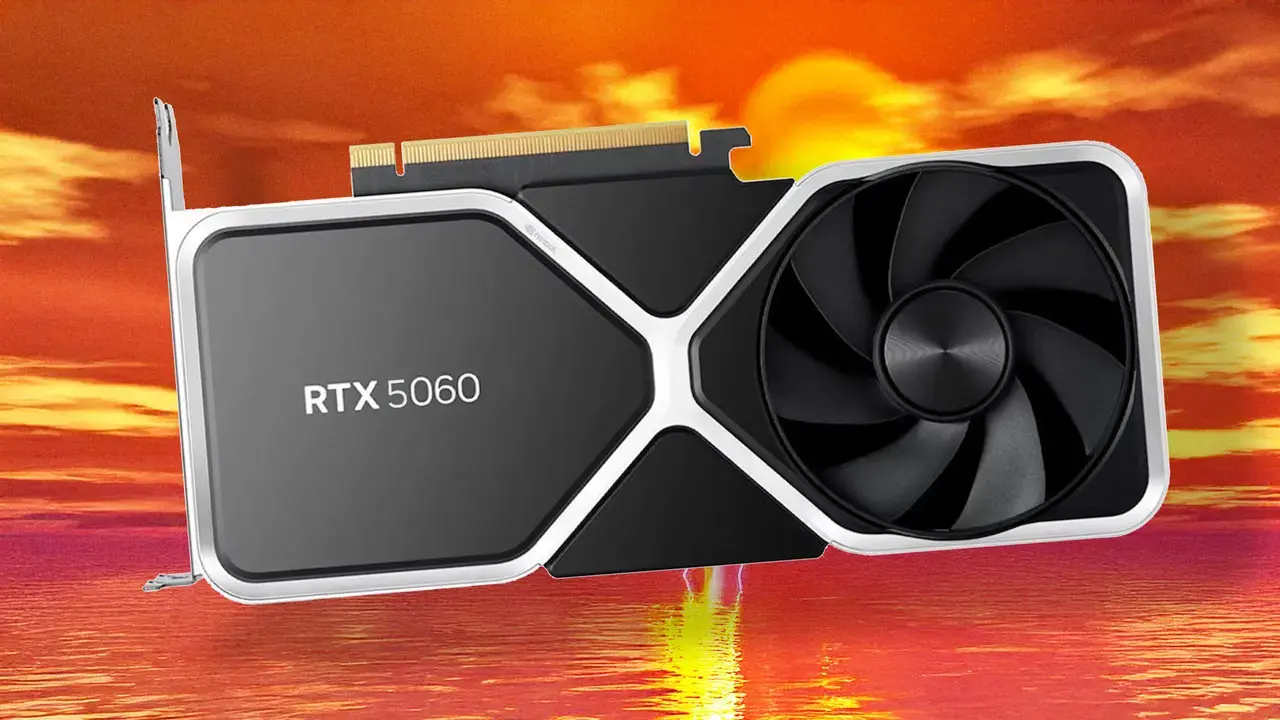
NVIDIA has implemented its third major price hike of 2026, increasing the cost of consumer-grade graphics cards by 20 to 30 percent globally. This sudden adjustment, confirmed by reports from Taiwan-based Economic Daily, follows a significant surge in DRAM costs triggered by Samsung. The price escalation impacts the entire consumer spectrum, creating widespread instability among international distributors and retailers. As rising production costs and supply chain uncertainties mount, major markets—including China—are seeing products pulled from shelves, forcing consumers to navigate a challenging inflationary environment for high-performance PC hardware.
- NVIDIA has executed three separate price increases for its graphics cards throughout 2026.
- New pricing structures reflect an increase of 20 to 30 percent across consumer models.
- Escalating costs for GDDR7 memory modules have forced manufacturers to raise retail prices.
- Supply chain volatility has caused retailers to restrict stock availability and modify sales strategies.
Production Costs Have Directly Impacted Retail Prices
The core catalyst for these price hikes lies in the dramatic rise of semiconductor component expenses. Samsung’s decision to increase DRAM pricing by approximately 20 percent has severely disrupted NVIDIA’s manufacturing strategy. What began as a targeted increase in January has now expanded into a comprehensive pricing overhaul, affecting even entry-level and mid-range hardware that was previously shielded from the premium price tags of flagship models like the RTX 5090.
The rising cost of critical internal components has created an unsustainable financial burden for manufacturers.
Global Distribution Networks Are Facing a Crisis
According to data provided by BenchLife, NVIDIA has issued updated directives to its supply chain partners that encompass not only raw GPUs but also comprehensive package and memory assemblies. This shift has forced retailers to re-evaluate their profit margins and inventory management. In China, the instability has become so severe that major e-commerce platforms have temporarily withdrawn mainstream models from circulation to mitigate risk.
The scale of this shift is evident in the market performance of popular units like the RTX 5070 Ti. A model that retailed for 7,200 Yuan in November 2025 is now listed at approximately 10,700 Yuan. This drastic jump highlights how rapidly hardware affordability is deteriorating for the average user.
Memory Technology Has Created Unexpected Market Hurdles
A specific point of concern involves the volatile pricing of GDDR7 memory modules. Industry analysts have noted a surprising disparity where standard 2GB modules are priced at $20, while 3GB modules can reach up to $70. This pricing structure suggests that a 50 percent increase in memory capacity results in a 300 percent cost hike for the module, placing immense pressure on the final manufacturer’s suggested retail price.
Technological advancements in memory are currently driving hardware costs to unprecedented levels.
As hardware manufacturers struggle to balance component costs with market demand, the future of the PC gaming landscape remains uncertain. We want to hear your perspective on these changes. Do you believe the rapid increase in graphics card prices will stabilize soon, or will it permanently alter your plans for future hardware upgrades? Share your thoughts and predictions in the comments section below.
Your comment has been submitted,
it will be published after approval.