
Süper Lig Broadcast Tender Approaches With High Revenue Expectations

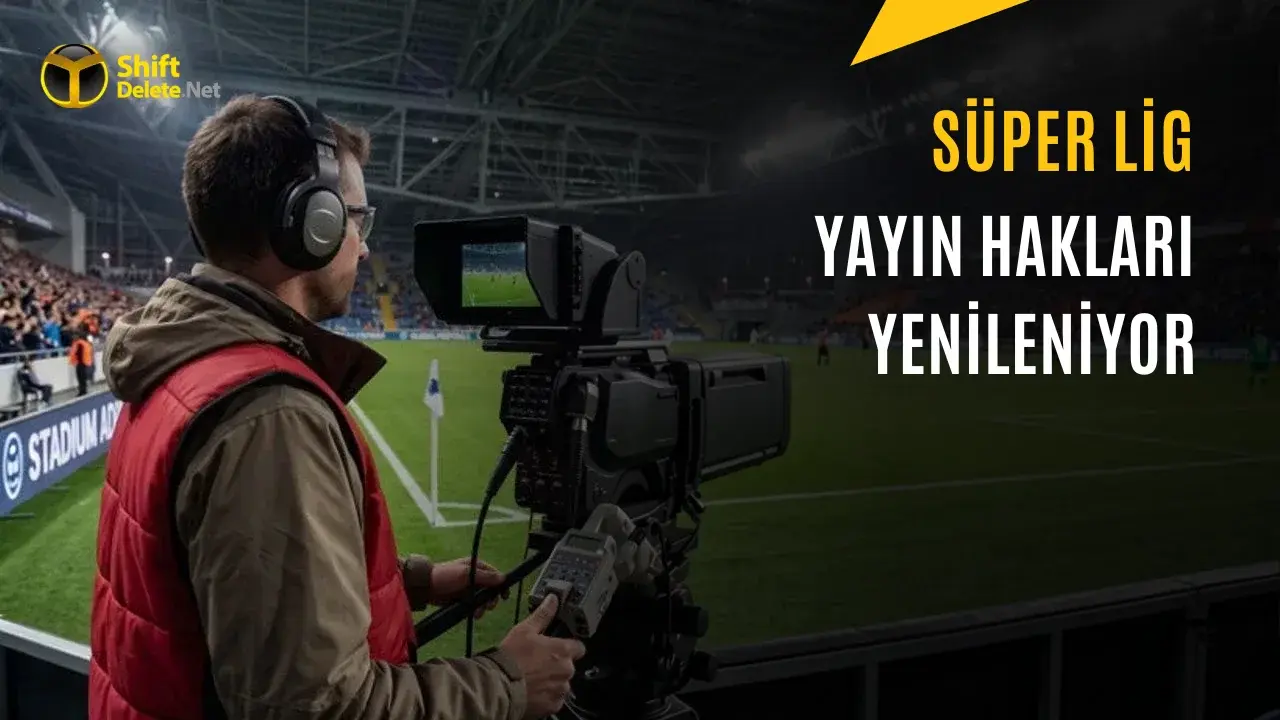
The highly anticipated Süper Lig broadcast tender is set to take place on January 13, 2027, marking a pivotal shift in the landscape of Turkish football media rights. As the current agreement concludes with the end of the 2026-2027 season, industry stakeholders are bracing for an intense period of competition among major media conglomerates. Currently, the Bein Media group generates approximately 218 million dollars annually, but market analysts project that the new tender could push these figures well beyond 400 million dollars. This aggressive growth target aims to bring the league closer to the record-breaking 500 million dollar valuation achieved in 2016.
- The upcoming Süper Lig broadcast tender is scheduled for January 13, 2027.
- Market projections suggest annual revenues could potentially exceed 400 million dollars.
- Major industry players including Bein Media, TRT, and Acun Medya are expected to compete for the rights.
- Digital platforms must address significant latency issues to improve the viewer experience.
Major Media Groups Prepare Their Bidding Strategies
Industry insiders report that a robust field of candidates is preparing to participate in the upcoming auction. The list of potential bidders is rumored to include prominent entities such as Bein Media, TRT, Turkcell, Türk Telekom, the Saran Group, and Acun Medya. Each organization is currently formulating its own strategic approach to capture the lucrative rights, though their technical capabilities vary significantly. 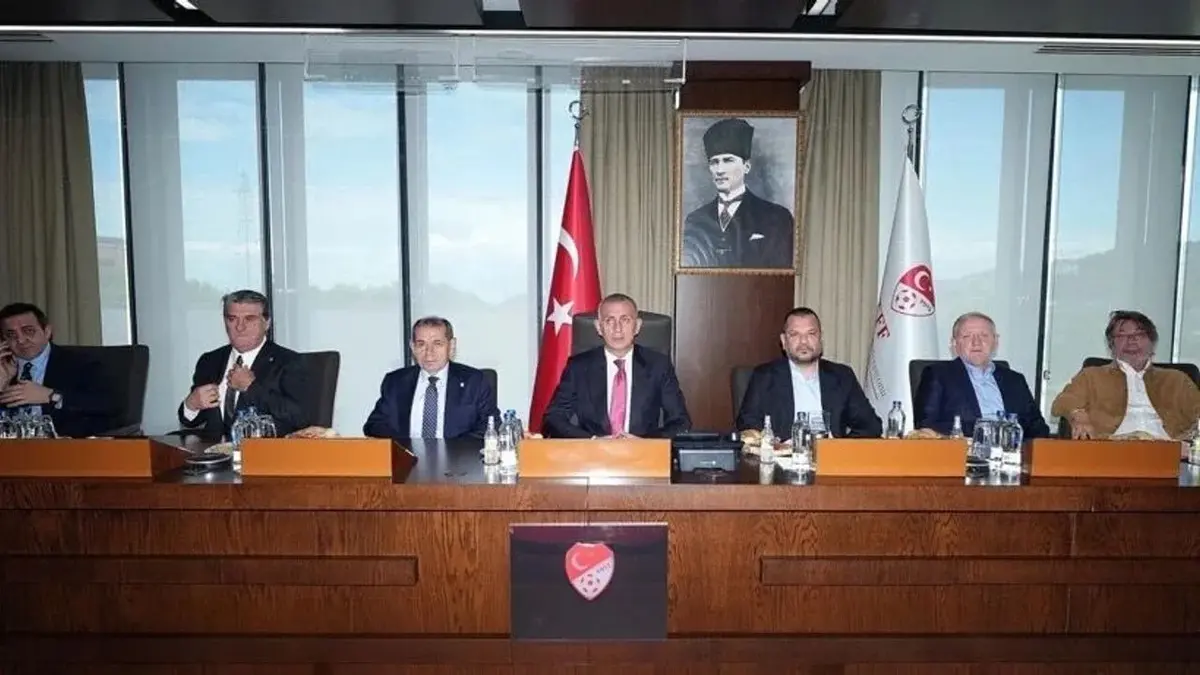
Bein Media currently maintains a strong competitive advantage due to its established satellite infrastructure. In contrast, other contenders like Turkcell TV+, the Saran Group’s S Sport, and Acun Medya’s Exxen platform are prioritizing digital-first delivery models. Questions remain regarding how state-backed institutions like TRT and Türk Telekom will integrate their existing platforms, such as Tabii and Tivibu, into their final proposals. It is widely understood that to sustain a 400 million dollar annual investment, the winning bidder will likely need to implement sophisticated subscription-based models or pay-per-view structures to offset these substantial costs.
Digital Latency Issues Require Immediate Solutions
A significant challenge facing the future of broadcast quality is the latency inherent in digital streaming services. Users currently report delays of 15 to 20 seconds during live match broadcasts, which frequently leads to spoilers when notifications arrive on mobile devices before the action occurs on screen. 
As digital consumption grows, these timing discrepancies have become a major point of contention for football fans who demand real-time coverage. While traditional satellite transmissions remain the faster alternative, the industry is under pressure to modernize its technological infrastructure. Whether the next rights holder chooses to invest in low-latency delivery protocols will be a deciding factor in the success of the new broadcast era. Ultimately, the 2027 tender will serve as a definitive benchmark for how Turkish football balances the transition toward digital-first consumption while maintaining the quality standards expected by the public.
We are eager to hear your perspective on this shift in the broadcast landscape; do you believe digital streaming services will eventually offer a superior experience to traditional satellite television, or should broadcasters prioritize infrastructure reliability above all else? Please share your thoughts in the comments section below.
Your comment has been submitted,
it will be published after approval.