
Apple Targets Lower OLED Screen Costs for iPhone 18 Pro


Apple is proactively reshaping its supply chain strategy for the upcoming iPhone 18 series to significantly reduce OLED screen production costs. Industry insiders report that the technology giant aims to lower the price per panel for the iPhone 18 Pro Max to approximately $70. This strategic shift represents a notable decrease in procurement expenses compared to previous flagship iterations. By optimizing the costs of critical hardware components such as displays and camera modules, Apple intends to offset the financial impact of rising memory chip prices and maintain its profit margins in a competitive global smartphone market.
- Apple sets a target unit price of $70 for iPhone 18 Pro Max display panels.
- Rising memory chip costs necessitate stricter budget controls across other hardware components.
- Samsung Display and LG Display integrate the new M16 organic material set to satisfy Apple’s production requirements.
Production Technology Standards are Evolving
The OLED panels earmarked for the iPhone 18 series will utilize Apple’s latest M16 organic material set. This advancement is expected to deliver superior brightness levels, extended component longevity, and enhanced color accuracy compared to previous generations. The integration of these materials requires both Samsung Display and LG Display to reconfigure their manufacturing processes to ensure higher efficiency. Although these technical requirements increase production complexity, Apple remains firm in its commitment to lowering component expenditures.
Apple’s aggressive pricing pressure on suppliers signals a new era of cost-cutting in the smartphone industry.
Supply Chain Competition is Intensifying
Data from UBI Research indicates that Samsung Display is projected to supply approximately 46 million OLED panels to Apple this year, while LG Display is expected to provide over 41 million units. Both manufacturers have acknowledged the intense pressure from Apple to reduce component costs. 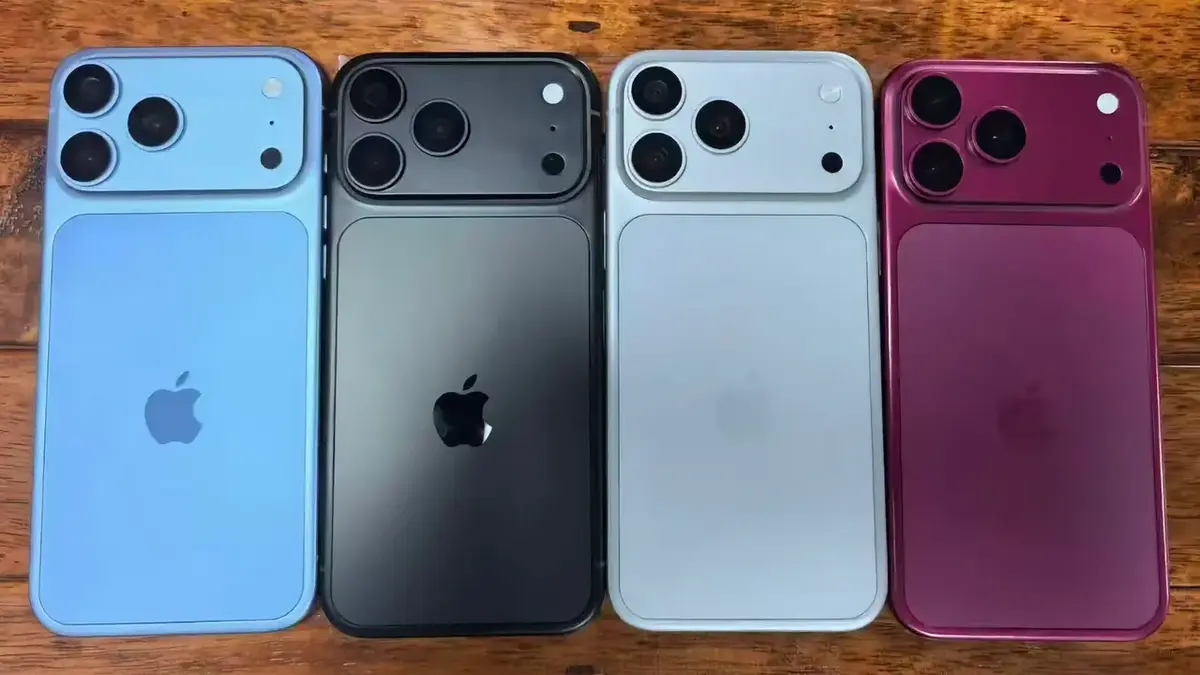
Apple previously paid over $100 for iPhone 16 Pro Max screens, successfully negotiating that price down to $80 for the iPhone 17 Pro Max. By further reducing the cost for the iPhone 18 series, the company continues to consolidate its dominance over hardware procurement budgets. This disciplined approach to spending is vital as the global electronics market faces sustained volatility in parts pricing.
Hardware Cost Management is Becoming Essential
Escalating memory prices have emerged as a primary factor influencing production costs across the smartphone landscape. To avoid passing these expenses to consumers or eroding corporate profitability, Apple is leveraging its market influence to secure favorable terms for high-value components like displays. Suppliers are responding by optimizing their assembly lines to meet these stringent price targets while maintaining technological innovation. As the industry faces these economic pressures, the focus remains on balancing high-end hardware performance with sustainable production budgets. The ability to refine these processes will determine the long-term viability of current flagship device strategies for both Apple and its primary display partners.
Do you believe that Apple’s efforts to lower display costs will affect the overall quality of the iPhone 18 series, or is this simply a masterclass in operational efficiency? Share your thoughts in the comments section below.
Your comment has been submitted,
it will be published after approval.