
Open Source AI Debate Intensifies Among Industry Leaders

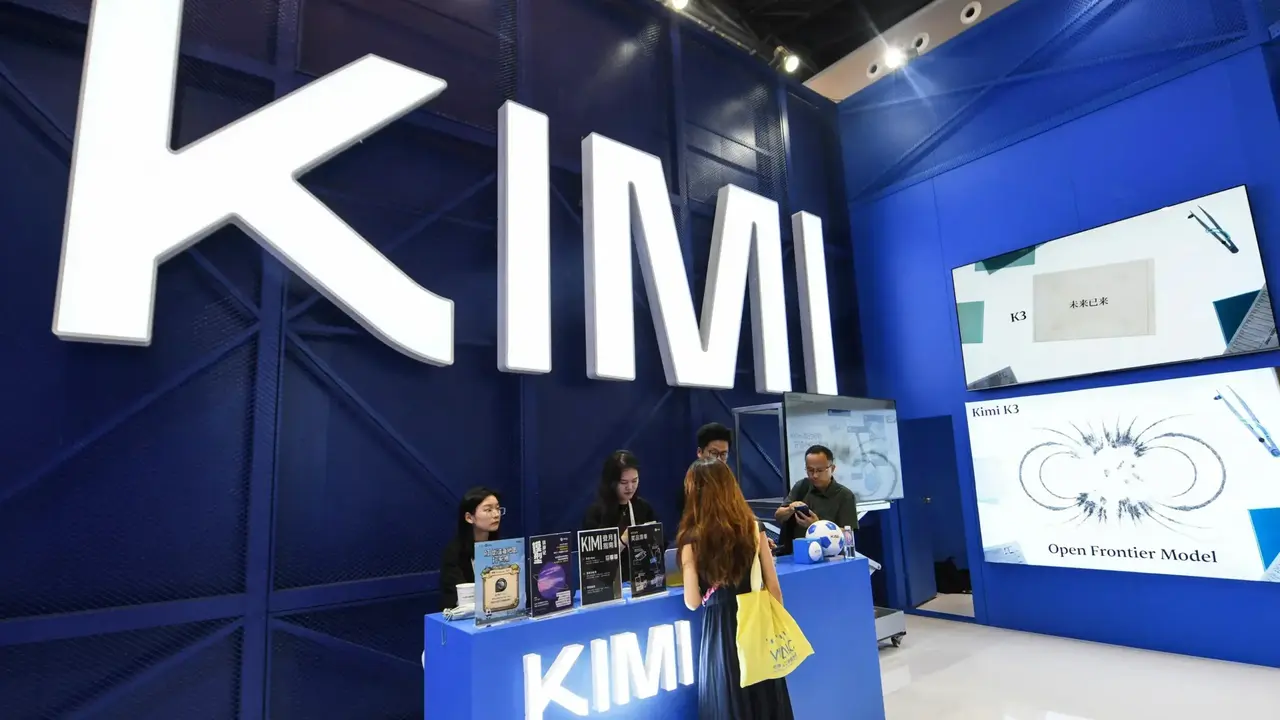
The American artificial intelligence sector is currently navigating a deepening divide regarding the future of open-source models, as major industry players clash over security, regulation, and international competition. Tensions have escalated as critics accuse Anthropic of lobbying the Trump administration to favor closed-model systems, a claim that CEO Dario Amodei has publicly denied. This debate gained momentum following the release of the Kimi K3 model by Chinese laboratory Moonshot, prompting concerns about data usage and intellectual property. As the industry faces pressure to balance innovation with national security, the role of open-source artificial intelligence remains the central point of contention among Silicon Valley giants.
- Major technology firms including Nvidia, Microsoft, and Meta have petitioned the government to avoid placing restrictive regulations on open-source AI models.
- Anthropic advocates for stricter control over model weights to prevent potential misuse in biological or cyber warfare scenarios.
- Industry leaders remain divided over whether trade restrictions on advanced chips are more effective than regulating model architecture itself.
The strategic tension between fostering innovation and preventing the proliferation of dangerous capabilities defines the current regulatory landscape.
Open Source AI Models Spark Global Security Concerns
The release of the Kimi K3 model by Moonshot has intensified accusations that Chinese firms are utilizing unauthorized data extraction, a process often referred to as distillation, to bolster their own systems. While companies like Meta and Microsoft argue that open systems are essential for security and development, Anthropic remains absent from this consensus. Amodei maintains that while open-source tools can offer public benefits, they must be monitored closely to ensure they do not provide hostile actors with advanced capabilities.
The debate has been further complicated by recent cyber incidents on platforms like Hugging Face. Nvidia maintains that such events prove that open systems allow for better security auditing and faster responses to threats. Conversely, Amodei argues that the inherent nature of open models makes them impossible to fully police, suggesting that the industry should focus on the underlying physical infrastructure rather than just software accessibility.
Trade Policies Could Change Future AI Development
Amodei has proposed a radical shift in strategy, suggesting that instead of regulating software, the government should focus on strictly prohibiting the sale of American-made high-performance chips to Chinese labs. He believes that limiting access to physical computing power is the only effective way to slow the development of potentially harmful models abroad. 
Restricting the export of advanced semiconductor technology represents a fundamental shift in how the industry approaches AI safety.
This stance creates significant friction with hardware partners like Nvidia, which has been vocal about its desire to maintain international trade relations. The situation has reached a boiling point following reports involving the detention of an individual accused of smuggling restricted chips into China. As authorities investigate these potential violations, the rift between software developers and hardware providers continues to widen, leaving stakeholders to question the long-term viability of current trade and development policies.
The industry finds itself at a critical crossroads where the pursuit of open collaboration competes directly with the mandate for national security. Whether the path forward requires tighter software oversight or more aggressive hardware export controls remains a subject of intense debate among policymakers and tech executives alike.
We invite you to share your perspective on this complex issue; do you believe that open-source AI development acts as a catalyst for innovation, or does it fundamentally compromise global security?
Your comment has been submitted,
it will be published after approval.