
Rising Apple RAM and Storage Costs May Impact iPhone Prices

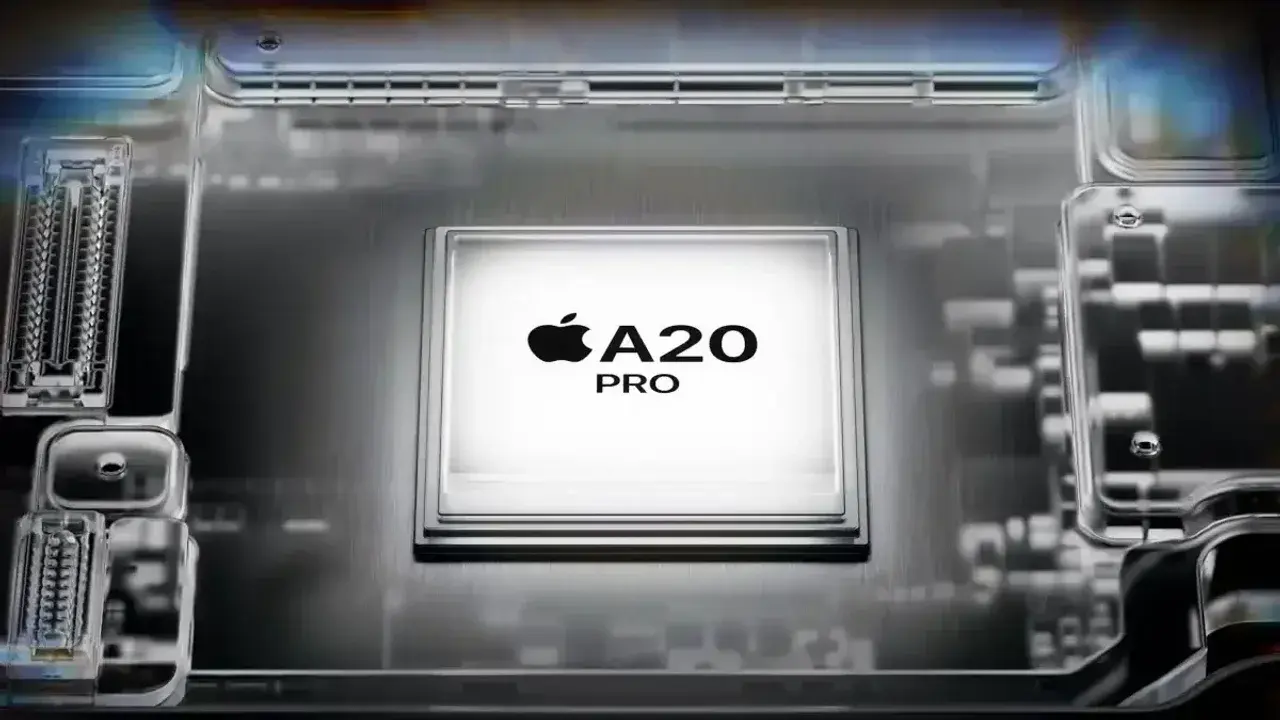
Apple has finalized a significant new agreement with Samsung, signaling a sharp rise in Apple RAM and storage costs starting in the first quarter of 2027. According to reports from DigiTimes based on data from Jiemian News, the tech giant is set to pay substantially higher prices for critical memory components. This financial shift is largely attributed to ongoing volatility within the global chip supply chain, which continues to challenge hardware manufacturers. As the company navigates these increased component expenditures, industry analysts are closely watching how these procurement challenges might eventually influence the retail pricing of future consumer hardware, including upcoming iPhone models.
- Apple has agreed to pay a 30 to 40 percent premium for DRAM and NAND components compared to 2026 rates.
- The surge in global memory chip demand is driven primarily by the rapid expansion of AI-focused data centers.
- Increased hardware costs have already led to price adjustments across the Mac, iPad, and Vision Pro product lines.
Global Chip Scarcity Drives Component Costs Higher
The core of this financial pressure stems from an intense global competition for memory chips, fueled by the aggressive expansion of artificial intelligence infrastructure. Tech companies are currently racing to build massive data centers, resulting in a widespread shortage of both RAM and NAND storage units. This scarcity has forced manufacturers to pay premium rates to secure essential supplies.  Historically, Apple has managed to offset such inflationary pressures, but the magnitude of this current price hike suggests that the company’s margins may face significant strain in the coming fiscal years.
Previous Price Adjustments Indicate Future Trends
Apple has already begun incorporating higher hardware costs into its retail strategies. Since June, the company has implemented price increases ranging from 100 to 300 dollars across various product categories, including the iPad, Mac, HomePod, and Vision Pro lineup. These adjustments illustrate a clear pattern of passing supply chain costs directly to the end-user. The recent pricing strategy for the iPhone 18 Pro, which launched at a 100-dollar premium over its predecessor, suggests that the premium smartphone market is not immune to these systemic supply chain fluctuations.
Management Faces Challenges in Long-Term Pricing
The long-term impact on the broader Apple ecosystem remains a subject of intense debate among market analysts. While the company has not officially confirmed whether it will absorb these costs or increase consumer prices further, the historical precedent set by leadership implies that price stability may be difficult to maintain. As the technology sector continues to grapple with the unpredictable nature of component availability, stakeholders are questioning if these price hikes will become the new standard for high-end consumer electronics. The hardware landscape is shifting, and the agility of Apple’s supply chain management will be tested as they navigate these rising expenses through 2027.
We are curious to hear your perspective on this trend; do you believe these rising component costs will force Apple to increase the retail prices of their next generation of devices, or will they find a way to absorb the impact?
Your comment has been submitted,
it will be published after approval.