
Digital Transformation in Human Resources: Automating Payroll and Performance

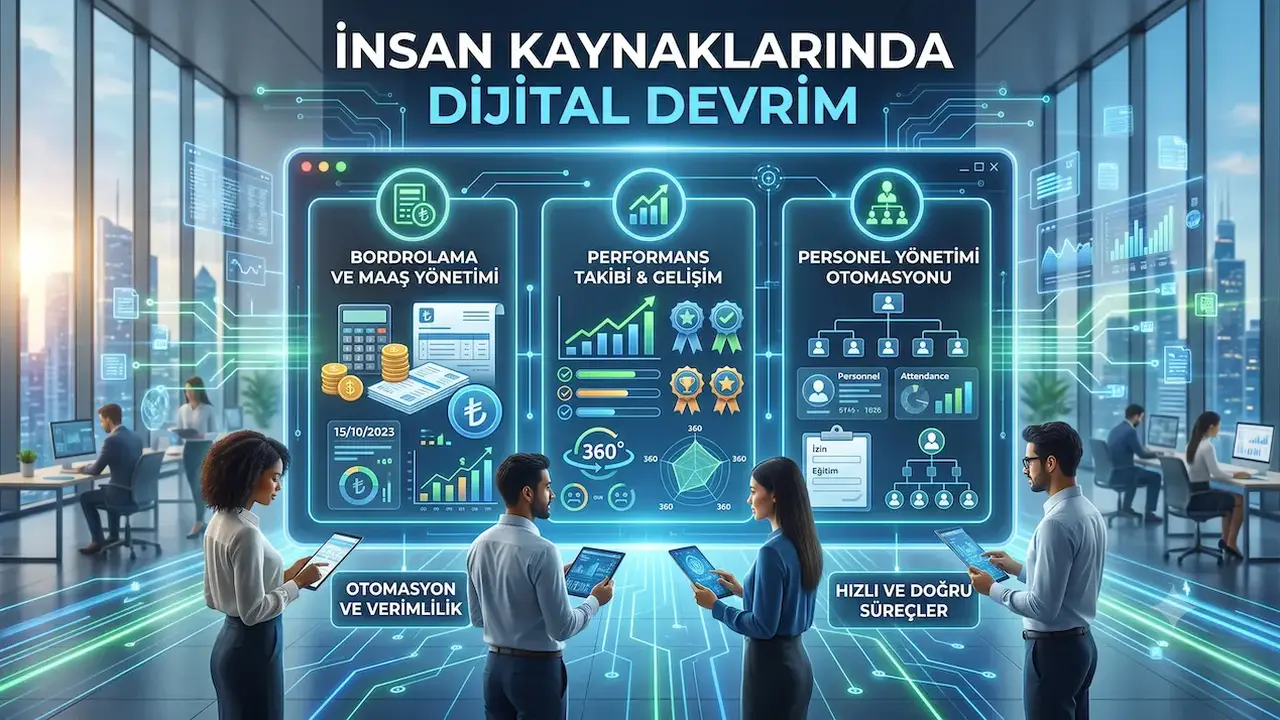
As the global business landscape shifts toward hybrid and remote models, the traditional approach to human resources is undergoing a significant digital transformation. Companies are moving away from manual Excel spreadsheets, paper forms, and inefficient time-tracking methods in favor of integrated, all-in-one platforms. By automating core administrative tasks such as payroll, performance tracking, and personnel management, organizations are now able to focus more on strategic talent acquisition and data-driven employee experience. Bitrix24 has emerged as a leading solution in this domain, providing businesses with a unified ecosystem that centralizes HR workflows to boost operational efficiency and organizational transparency in the modern era.
- Integrated digital platforms replace manual administrative processes to reduce operational inefficiencies and data security risks.
- Centralized HR ecosystems enable managers to track employee performance through objective, data-driven key performance indicators.
- Artificial intelligence tools assist human resources departments in streamlining communication and analyzing complex performance reports.
Traditional HR Systems Create Operational Inefficiencies
For many mid-to-large-sized enterprises, the reliance on fragmented software tools creates significant bottlenecks. When recruitment, payroll, time-off requests, and performance reviews are managed across separate, disconnected applications, the result is often described as software pollution. This lack of integration not only complicates daily operations but also exposes companies to unnecessary data security vulnerabilities and makes objective performance assessment difficult for leadership teams.
Modern enterprises require transparent, automated structures to maintain competitive advantage in a data-centric market.
Bitrix24 Standardizes HR Management Processes
Bitrix24 serves as a comprehensive platform that merges business process management with internal communication tools. By consolidating these functions, the platform significantly lowers the administrative burden on HR teams. One of its primary benefits is the implementation of precise time management tools, which are essential for hybrid work environments. The platform’s built-in time tracker and IP-based scheduling ensure that work hours are recorded accurately, which directly streamlines the payroll process and eliminates human error.
Data Drive Performance Evaluation Standards
The transition to digital management allows companies to measure productivity through concrete data rather than subjective observations. By utilizing automated daily and weekly task reports, along with integrated KPI tracking, managers gain a clear view of individual contributions. This shift ensures that performance evaluations are based on actual output and project completion times, fostering a culture of accountability and transparency within the organization.
Automation Simplifies Onboarding Procedures
The onboarding of new employees involves numerous repetitive steps, from security clearances to mandatory training modules. Through Smart Process Automation (SPA) and pre-defined workflow rules, companies can ensure that no administrative step is overlooked. Automated triggers distribute necessary forms and notifications to the appropriate personnel immediately upon a candidate’s selection, effectively reducing the time-to-productivity for new hires.
Artificial Intelligence Enhances HR Decision Making
The integration of AI, specifically through tools like the Bitrix24 CoPilot, represents the latest advancement in human resources technology. This digital assistant supports HR managers by drafting internal announcements, summarizing lengthy meeting transcripts, and providing intelligent analysis for performance reviews. By leveraging these AI capabilities, departments can allocate more time to high-level strategic planning and talent retention initiatives.
Adopting these advanced technological solutions is no longer optional but essential for sustainable organizational growth.
How has your organization adapted to digital HR tools, and what challenges have you faced during this transition? Share your experiences and thoughts in the comments section below.
Your comment has been submitted,
it will be published after approval.