
OpenAI Prepares to Launch Its First AI Hardware Device

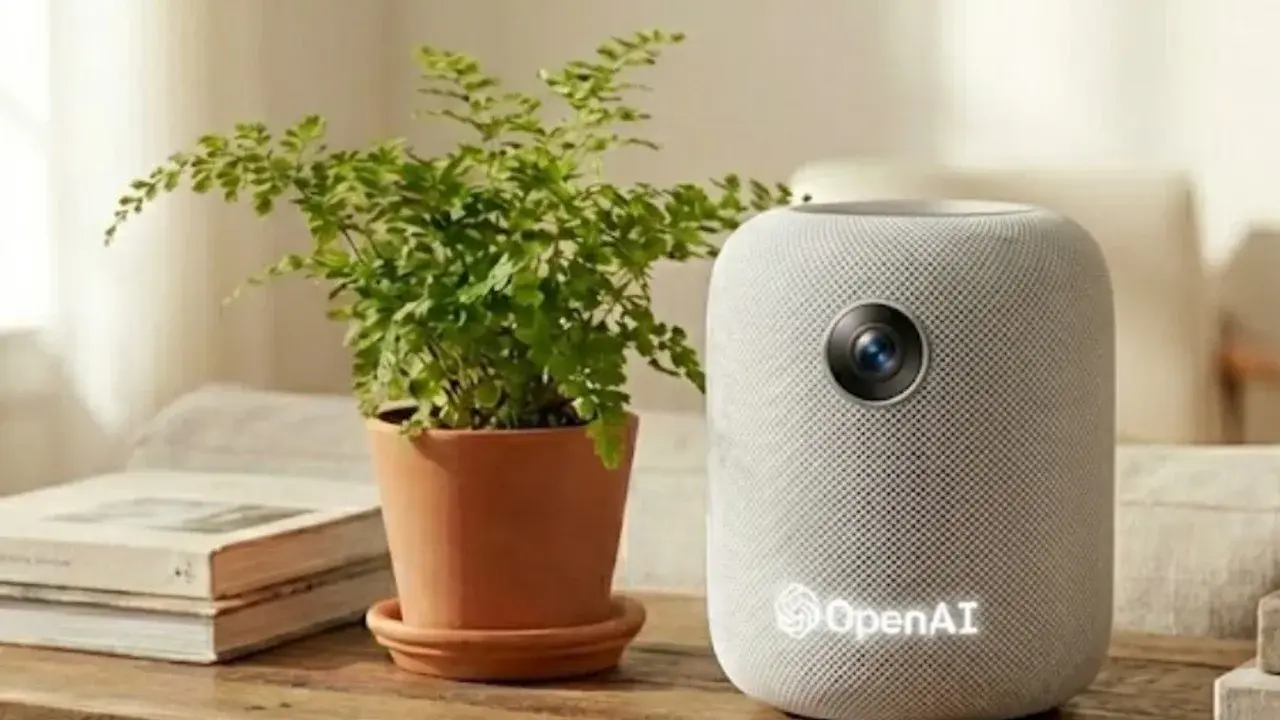
OpenAI is officially advancing its internal hardware development efforts, with recent reports shedding light on the company’s first standalone smart device. According to a Bloomberg report, the artificial intelligence firm is working on a portable, screenless smart speaker that is expected to retail between $300 and $400. This project, which represents a significant departure from software-only solutions, is currently slated for a potential market debut by 2027. The device aims to leverage advanced voice interaction technology, positioning OpenAI to compete directly with established tech giants in the smart home and personal assistant sector.
- The upcoming smart speaker is expected to feature a donut-like, puck-sized design crafted from premium metallic materials.
- OpenAI plans to integrate natural, human-like voice interaction capabilities similar to the advanced voice mode currently found in ChatGPT.
- Legal tensions have emerged as Apple accuses OpenAI of utilizing stolen trade secrets to develop its hardware projects.
The design philosophy behind this new device focuses on premium aesthetics and tactile interaction. Unlike traditional smart speakers that occupy a static position, this device is engineered to be versatile, capable of functioning while held or placed on various household surfaces. The hardware aims to move beyond simple voice command processing, utilizing mechanical components to provide a more responsive and lifelike experience for the end user.
Premium Materials Define the Physical Architecture
The device’s exterior is expected to feature high-end materials, likely prioritizing polished metals to distinguish the product from the plastic-heavy offerings currently dominating the market. By focusing on a minimalist, screenless form factor, OpenAI appears to be targeting users who prefer seamless ambient intelligence over screen-based interaction. 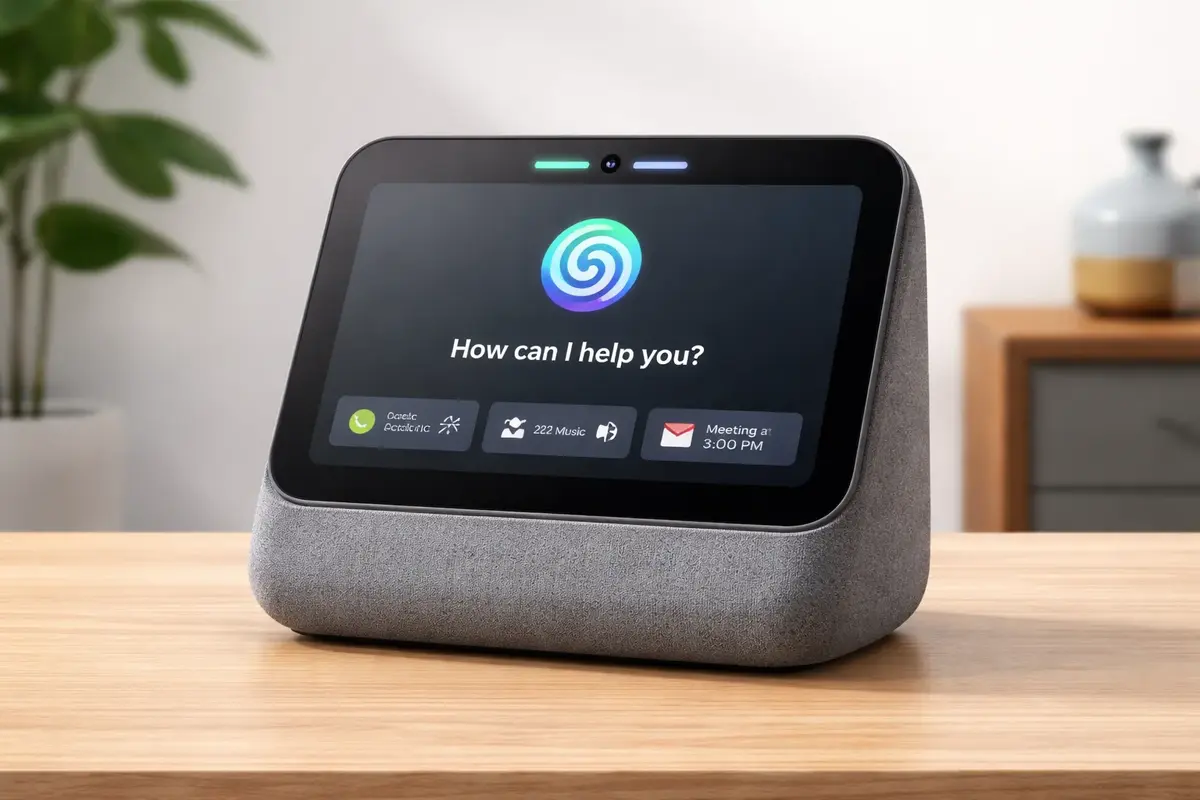 The integration of mechanical parts suggests a focus on physical feedback, which could redefine how consumers perceive interaction with AI-driven hardware.
The company is currently exploring five distinct product concepts, with this smart speaker serving as the primary focus for its initial hardware launch.
Legal Challenges Influence the Development Timeline
The ambitious 2027 launch window remains subject to external pressures, most notably a high-profile legal dispute with Apple. The tech giant has alleged that OpenAI misappropriated trade secrets through former employees to accelerate its hardware ambitions. In response, OpenAI has filed a request to dismiss these claims, arguing that Apple’s accusations lack factual foundation and are being taken out of context. The outcome of this litigation could significantly alter the trajectory of the development schedule.
Observers are closely monitoring how the metallic design choices align with Apple’s specific claims regarding proprietary manufacturing processes. OpenAI maintains that it has performed its due diligence and that the accusations are speculative in nature. While the legal battle complicates the project, the firm continues its research into the next generation of conversational AI hardware.
OpenAI remains committed to building hardware that reflects the sophisticated nature of its large language models.
We are eager to hear your perspective on this shift toward physical hardware. Do you believe a premium, screenless AI device is the future of personal assistants, or will it struggle to compete with established smartphone ecosystems? Share your thoughts in the comments section below.
Your comment has been submitted,
it will be published after approval.