
Google Replaces Search Button With New AI-Driven Interface

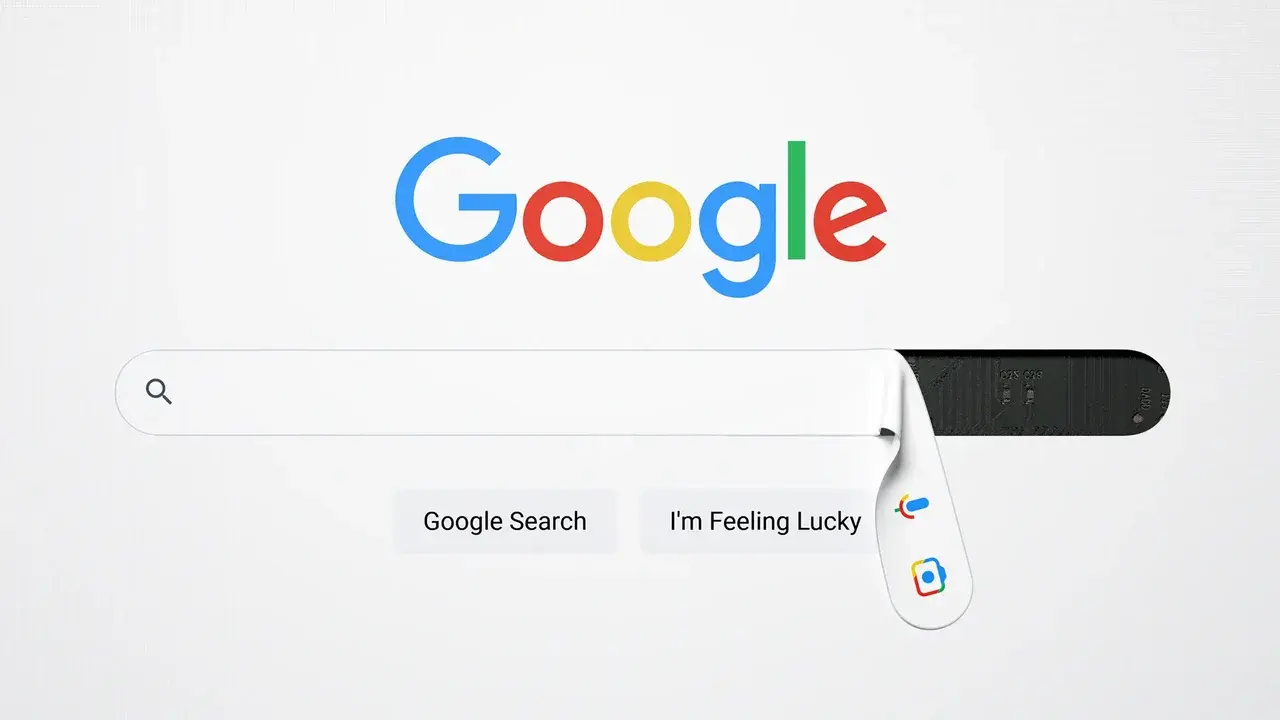
Google has initiated a significant overhaul of its iconic search homepage, replacing the traditional search button with a series of AI-focused shortcuts. This strategic design shift, which is currently being tested among a subset of users, marks a major pivot in how the technology giant encourages engagement with its artificial intelligence tools. By integrating direct access to generative capabilities, Google aims to streamline user interaction with its advanced features. While the classic search functionality remains accessible via keyboard inputs, this redesign underscores the company’s commitment to embedding AI at the very heart of the user’s initial search experience.
- Google has introduced three new AI shortcuts that allow users to generate images, analyze documents, and brainstorm ideas directly from the homepage.
- Google Search Vice President Robby Stein confirmed that the company is currently testing this interface with a limited group of users.
- The traditional search functionality remains fully operational through standard text entry and keyboard commands.
The integration of AI tools directly into the landing page signals a permanent shift in Google’s search philosophy.
AI-Driven Shortcuts Transform the User Experience
The new interface replaces the standard “Google Search” button with a trio of specialized AI shortcuts designed to assist with creative and analytical tasks. Users participating in the test phase now see options labeled “Create images,” “Ask about files,” and “Brainstorm” situated directly beneath the search bar. The “Create images” feature utilizes Nano Banana technology to generate visual content based on user prompts. Meanwhile, the “Ask about files” tool allows users to upload documents for instant analysis, and the “Brainstorm” feature facilitates collaborative idea generation with the AI. 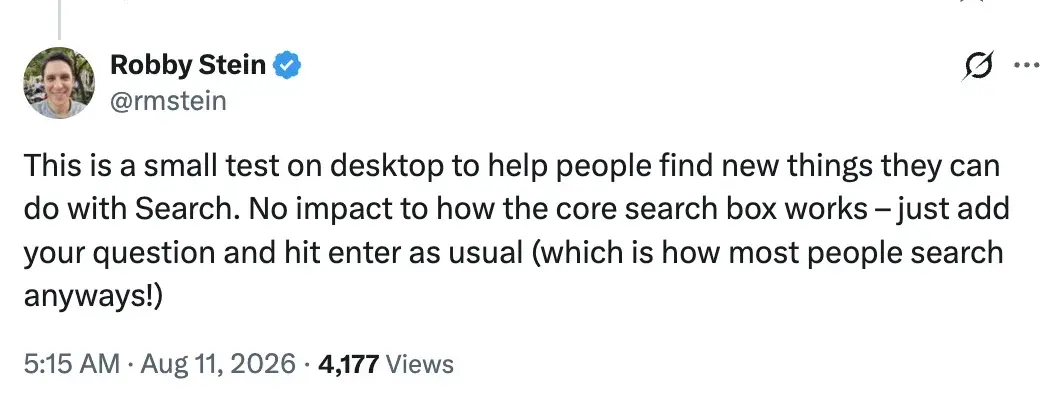
Despite these significant visual changes, the core search engine functionality remains intact. The classic “I’m Feeling Lucky” button persists in the design, and users can continue to perform traditional web searches by typing their queries and pressing the Enter key. 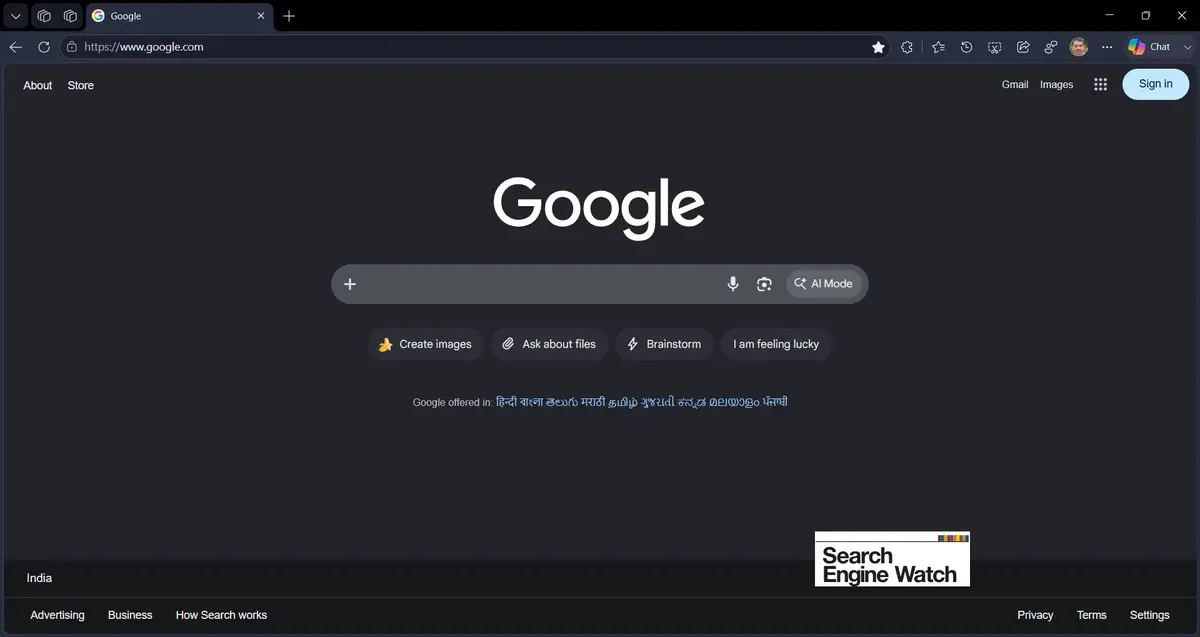 This ensures that the platform maintains its utility as a primary information retrieval tool while simultaneously expanding its capabilities as an AI-powered assistant.
Google Confirms Testing of New Interface
Robby Stein, Vice President of Google Search, addressed the changes publicly via the X platform, confirming that the company is actively testing these modifications. He noted that the new interface is not yet available to all users, as the rollout is currently limited to specific segments of the population. 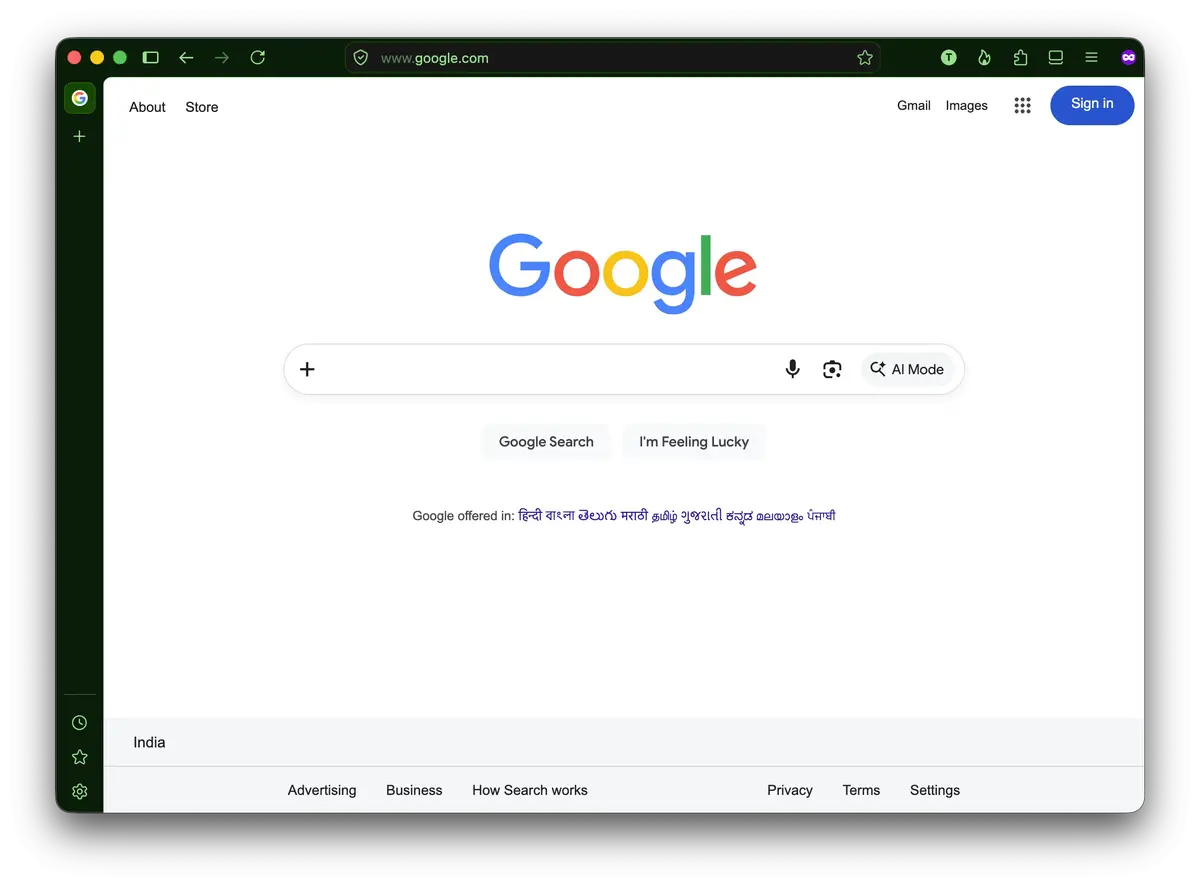 The test appears to be distributed unevenly, as variations in browser settings, VPN usage, and account status result in inconsistent access to the new layout.
Google intends to monitor user engagement metrics before deciding on a broader release of the AI-centered design.
Future Implications for Search Engines Remain Unclear
While the company has not provided a specific timeline for a full, global deployment of this interface, the update highlights a clear trajectory toward more interactive and generative search experiences. By lowering the barrier to entry for AI tools, Google is positioning itself to lead the transition from passive information retrieval to active content creation. As the tech industry continues to evolve, these interface experiments reflect the broader struggle to balance traditional search reliability with the demand for advanced AI assistance. We invite you to share your thoughts in the comments section below regarding whether this AI-focused redesign enhances or complicates your daily search habits.
How do you feel about these changes to the Google homepage, and would you use these AI shortcuts in your daily workflow? Share your thoughts in the comments section below.
Your comment has been submitted,
it will be published after approval.