
WhatsApp Enhances Security With New Complex Password System


WhatsApp has officially launched a significant security upgrade for its two-step verification system, replacing traditional 6-digit PIN codes with more robust, alphanumeric password requirements. This update, which is currently rolling out to both Android and iOS users worldwide, represents a strategic move by the Meta-owned platform to bolster user account protection against unauthorized access. By transitioning from simple numeric sequences to complex password combinations, WhatsApp aims to mitigate risks associated with brute-force attacks and credential theft. Users are encouraged to update their applications to the latest version to access these enhanced protective measures and secure their personal communications effectively.
- WhatsApp replaces 6-digit PIN codes with complex alphanumeric passwords to improve account security.
- The new security protocol requires passwords to contain at least eight characters, including both letters and numbers.
- Users can recover forgotten passwords through registered email addresses or phone number verification.
- The rollout of this updated security feature occurs gradually over the coming weeks for all global users.
Two-Step Verification Becomes More Secure
The transition toward more intricate security protocols addresses the inherent vulnerabilities found in basic numeric PINs. While the previous system served as a foundational layer of protection, it was susceptible to predictable patterns, such as birth dates or simple sequential numbers. By allowing users to integrate letters into their credentials, WhatsApp significantly increases the difficulty for cybercriminals to guess or breach account access. This shift is a proactive response to the evolving landscape of digital threats, ensuring that personal data remains shielded behind a much higher barrier of authentication.
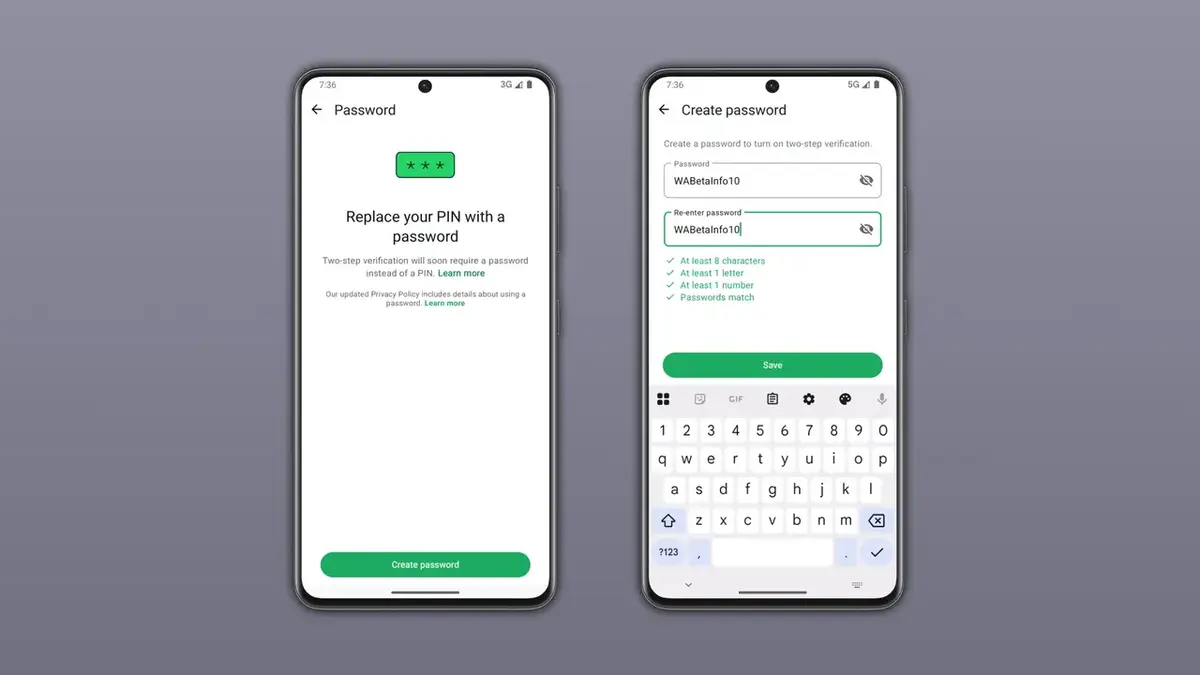
Password Criteria Are Being Revised
To ensure maximum effectiveness, the new system mandates strict criteria for password creation. Users are required to set a password that is at least eight characters in length, incorporating a mandatory mix of letters and digits. This configuration is specifically designed to thwart automated software used in brute-force attempts. The configuration process is straightforward; users can navigate to the ‘Account’ section within the application’s settings menu to establish these new credentials. By adhering to these standards, users add a formidable layer of defense to their existing WhatsApp profiles.
Password Recovery Options Are Being Provided
Recognizing that increased complexity can lead to forgotten passwords, WhatsApp has streamlined the account recovery process. Users who link a valid email address to their account can quickly reset their credentials if they lose access. In instances where an email address was not previously configured, the platform defaults to phone number verification to confirm ownership. This emphasis on account recovery underscores the importance of maintaining up-to-date contact information within the application settings to prevent permanent lockout scenarios.
Updates Are Being Distributed Gradually
The deployment of this security feature is currently underway, with a phased rollout approach being utilized by the development team. While some users may already see the option available in their settings, others can expect the update to arrive on their devices over the next few weeks. It is recommended that individuals verify their application status in their respective app stores to ensure they have the latest version installed. This global update signifies a continued commitment from the company to prioritize user privacy and platform integrity in an increasingly digital world.
Do you believe that transitioning from simple PIN codes to complex alphanumeric passwords provides sufficient protection for your personal data, or do you prefer additional biometric authentication methods? Please share your thoughts and personal security habits in the comments section below.
Your comment has been submitted,
it will be published after approval.