
Tesla Deploys New Automatic Collision Avoidance System for Manual Driving

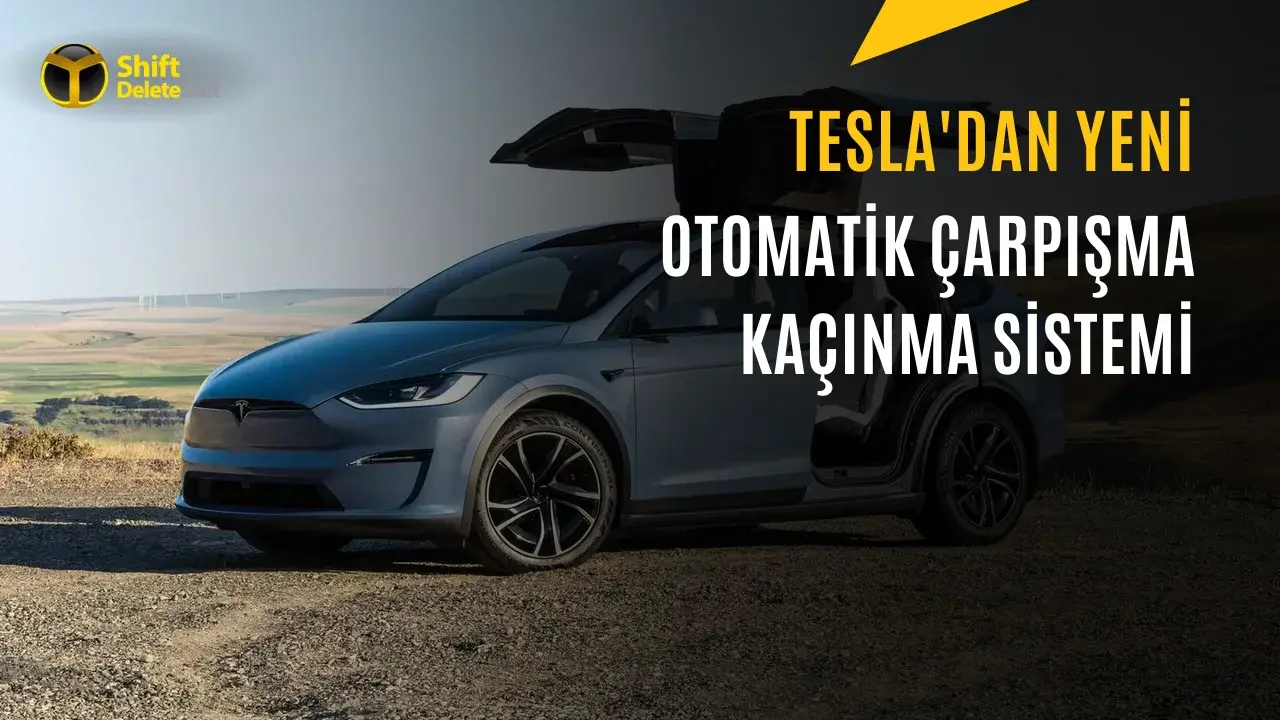
Tesla has officially launched a sophisticated Automatic Collision Avoidance feature designed to provide active safety interventions even during manual driving sessions. By leveraging its Full Self-Driving (Supervised) software architecture, the electric vehicle manufacturer is extending its advanced safety protocols beyond traditional driver-assistance modes. Currently available exclusively to Tesla owners in North America, this update integrates real-time decision-making with established technologies like Automatic Emergency Braking and lane-keeping systems. This expansion marks a significant shift in how Tesla utilizes its autonomous technology stack, effectively turning the vehicle’s onboard neural networks into a constant guardian for drivers navigating diverse road conditions.
- Tesla has integrated its Full Self-Driving (Supervised) software to perform active safety maneuvers during manual operation.
- The system functions specifically when it detects an imminent frontal collision risk or when it identifies a lapse in driver attention.
- The feature requires the FSD (Supervised) package and currently operates only within North American markets.
- Drivers maintain control via a firm steering input, as the system prevents accidental throttle interference during active avoidance events.
The System Activates in Specific Hazardous Scenarios
The Automatic Collision Avoidance technology operates based on two distinct critical scenarios to ensure vehicle safety. In the first instance, the vehicle assesses the risk of a high-speed frontal collision. Unlike traditional braking systems that only seek to reduce velocity, this advanced suite can autonomously steer the car away from obstacles if the software determines that shifting lanes or moving toward the road shoulder provides a safer outcome.
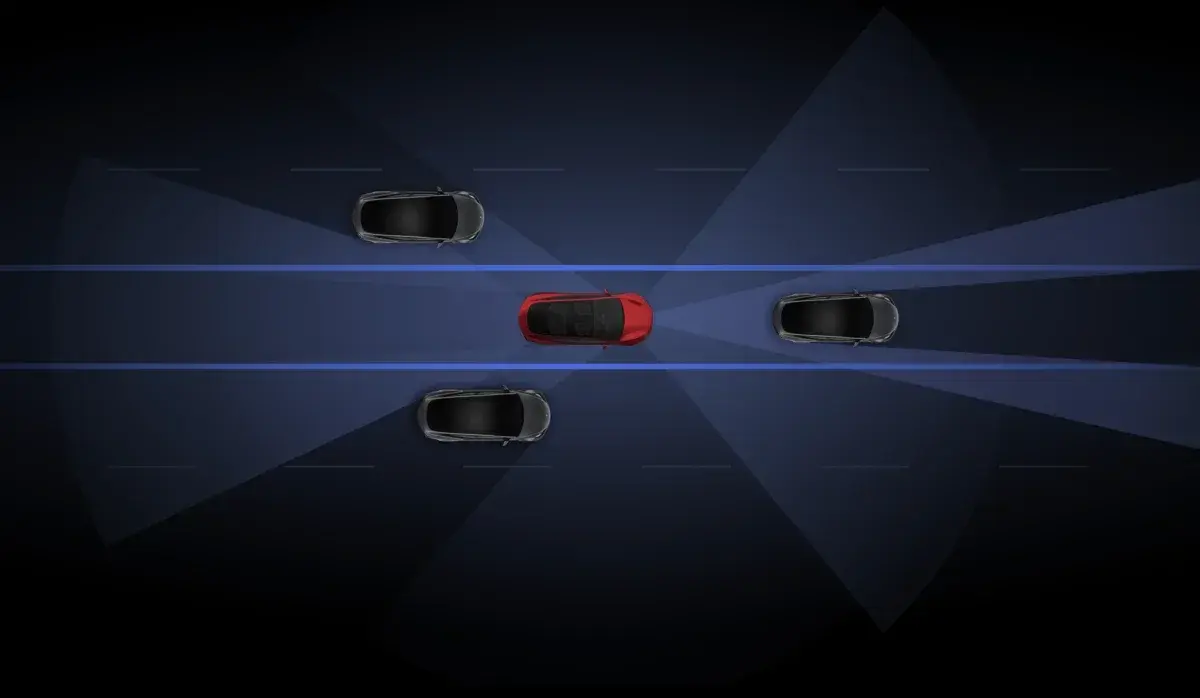
This maneuver is subject to strict operational parameters, requiring the vehicle to travel at speeds under 85 mph on controlled-access highways. Furthermore, the system remains inactive if pedestrians or cyclists are detected in the vicinity or if road surfaces are identified as slippery, ensuring that the software does not exacerbate existing hazards. The second scenario focuses on driver engagement; if the vehicle detects that the operator has become distracted or has lost situational awareness, the system intervenes to maintain lane integrity and prevent collisions.
Vehicle Control Protocols are Being Managed Carefully
For this feature to function, users must own the Full Self-Driving (Supervised) package and ensure the setting is enabled in the vehicle’s menu. Tesla has implemented robust safety protocols to prevent accidental interference between the driver and the system. During an active avoidance maneuver, the vehicle suppresses the accelerator pedal to prevent unwanted acceleration. While tapping the brake will initiate deceleration, it does not immediately disable the system, as the company requires a firm, decisive steering input to transfer full control back to the human driver.
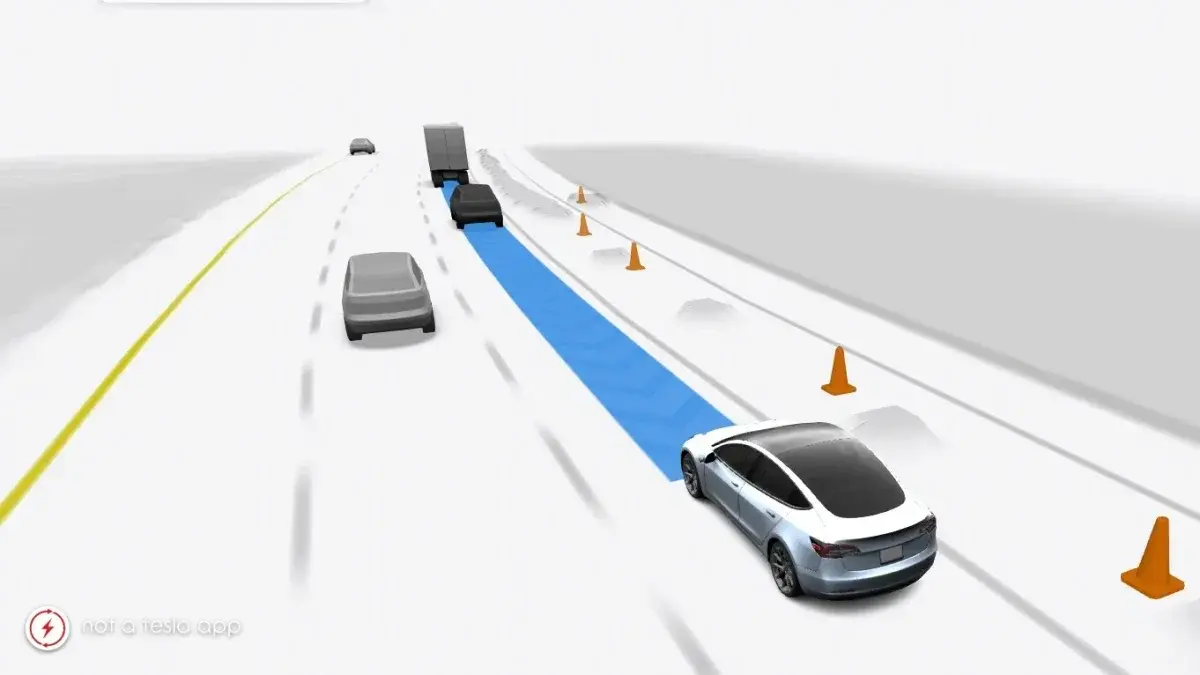
Once the immediate danger has passed, the vehicle provides an audible alert to prompt the driver to resume complete control. Tesla maintains that this software does not constitute a general obstacle-avoidance tool and explicitly states that the legal responsibility for vehicle operation remains with the driver at all times.
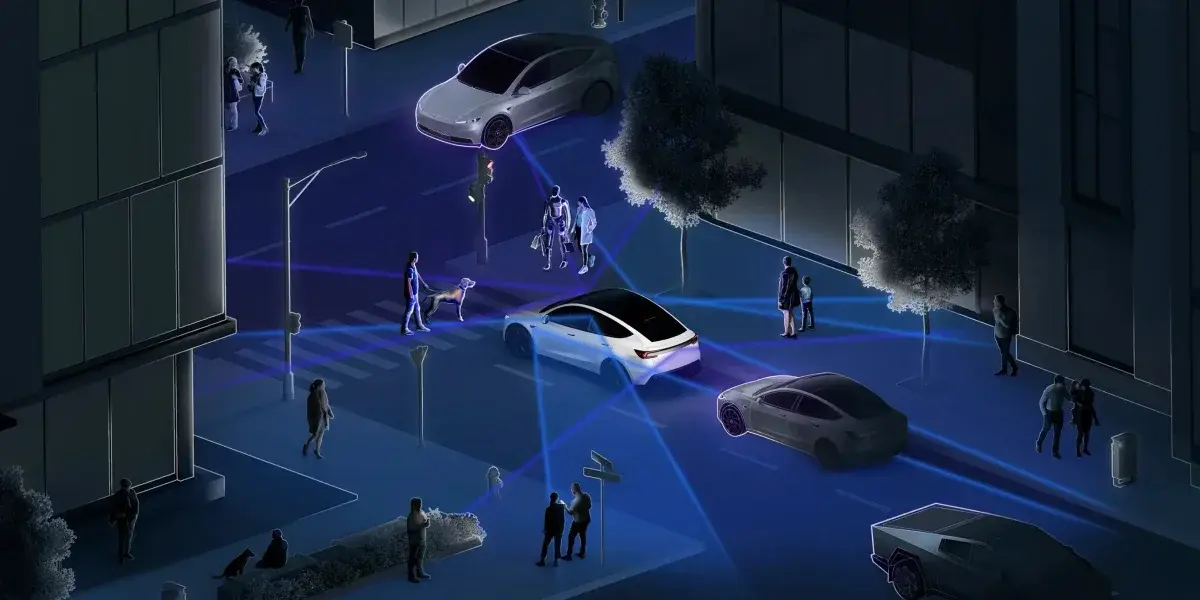
As Tesla continues to evolve its neural networks, it plans to integrate further proactive capabilities, such as pothole avoidance. With the industry currently transitioning between FSD v14 and the more advanced v15 capabilities found in Robotaxi models, the integration of these features represents a major milestone in proactive automotive safety engineering.
We are curious to hear your thoughts on this shift toward more intrusive safety measures; do you believe these active interventions will fundamentally improve road safety, or do you have concerns about the vehicle taking control during manual operation? Please share your perspective in the comments section below.
Your comment has been submitted,
it will be published after approval.