
iPhone 18e Details Surface Featuring 2nm A20 Processor

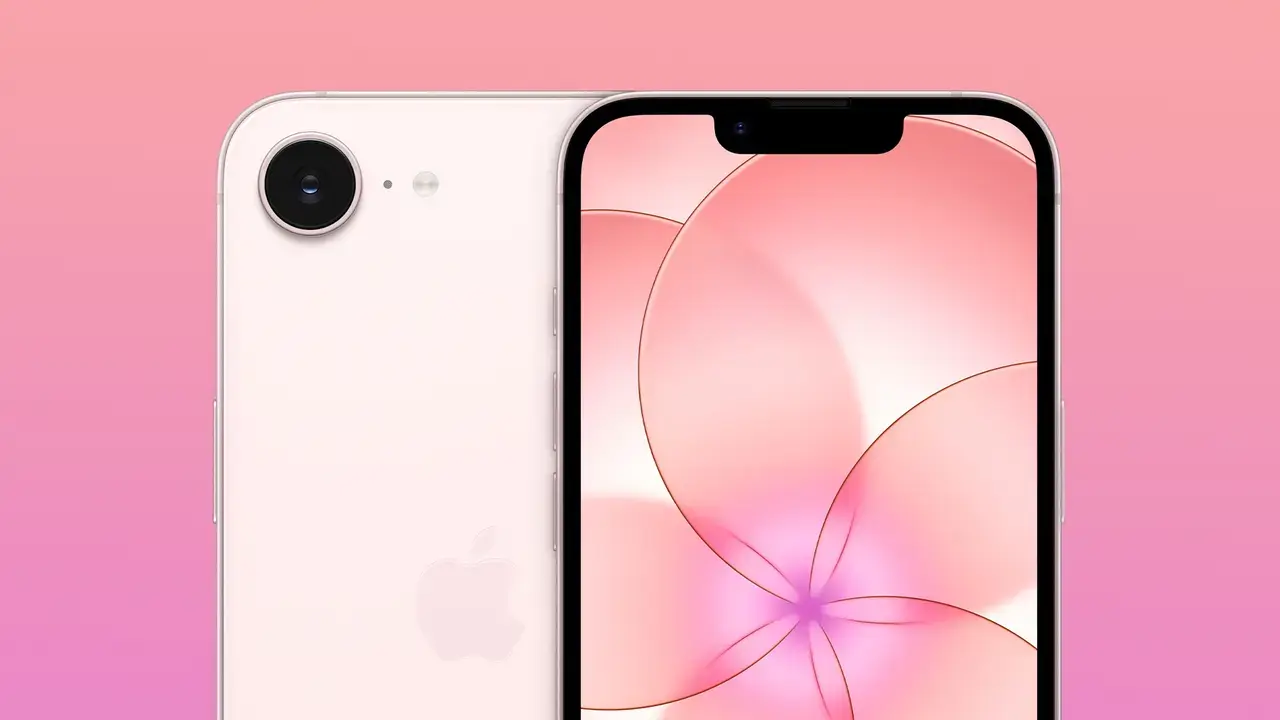
Apple is preparing to expand its smartphone lineup with the upcoming iPhone 18e, a budget-friendly and compact device expected to launch in the first quarter of 2027. According to recent leaks from industry insiders, this new model will introduce significant performance upgrades, most notably the transition to a cutting-edge 2nm manufacturing process. While the device promises to be a powerhouse in terms of processing capability, Apple has made the controversial decision to maintain a 60 Hz display refresh rate. As the successor to the iPhone 17e, the iPhone 18e aims to provide a more accessible entry point into the Apple ecosystem without sacrificing raw computing speed.
- The iPhone 18e will feature the advanced 2nm Apple A20 processor for improved efficiency and AI performance.
- Apple has opted to keep the 60 Hz display refresh rate on the 6.12-inch LTPS OLED panel.
- The device will come equipped with 9 GB of RAM to support advanced multitasking and new software features.
- The camera system consists of a 48-megapixel rear sensor and an upgraded 24-megapixel front-facing camera.
New Hardware Architecture Powers the Device
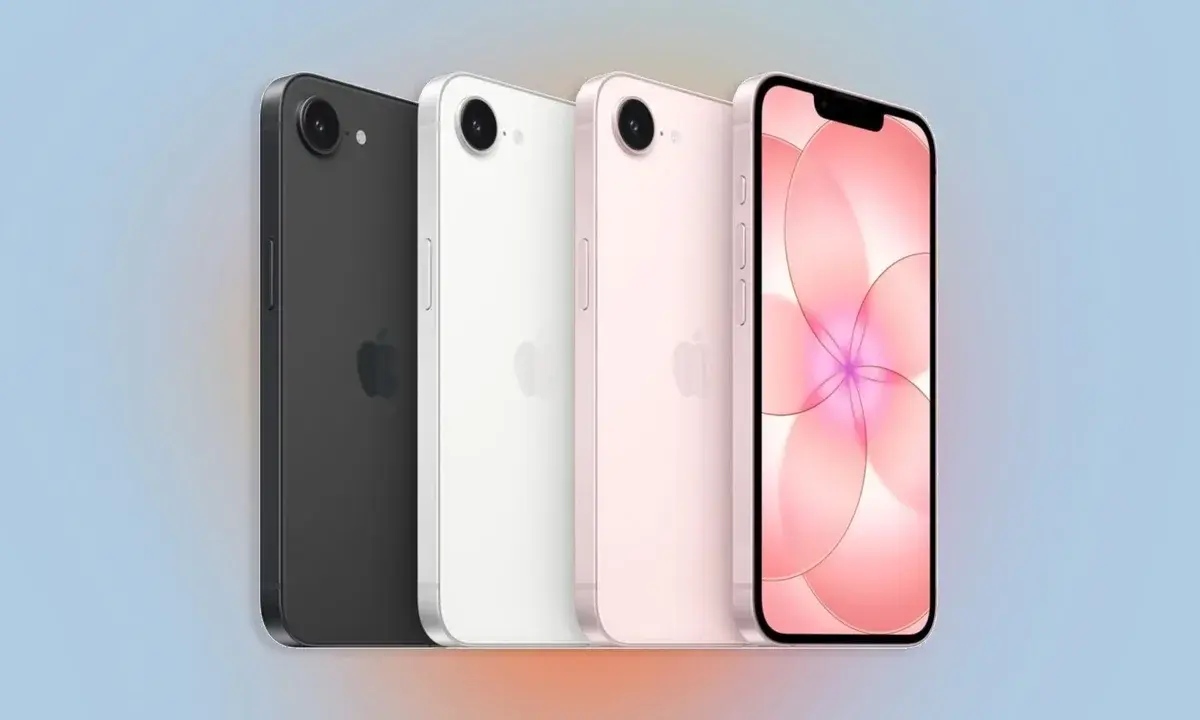
The core of the iPhone 18e is built around the revolutionary Apple A20 chip, which utilizes a 2nm production architecture. This technological leap allows the device to handle complex artificial intelligence models while maintaining superior energy efficiency compared to its predecessors. By integrating 9 GB of RAM, Apple ensures that the smartphone remains capable of managing intensive background processes and demanding software applications seamlessly, effectively bridging the gap between budget handsets and premium flagship performance.
Display Refresh Rate Remains Unchanged
Despite the significant internal upgrades, the display specifications have sparked debate among tech enthusiasts. The device features a 6.12-inch LTPS OLED panel, but Apple has decided to continue using a 60 Hz refresh rate. While competitors have widely adopted 120 Hz screens even in mid-range devices, Apple maintains its commitment to its established design language for the ‘e’ series. This choice suggests that the company is prioritizing battery longevity and component cost-efficiency to keep the market price competitive for consumers who prioritize a compact form factor over high-refresh-rate fluidity.
Camera Capabilities Receive Targeted Upgrades
Apple has taken a pragmatic approach to the camera system by focusing on essential hardware improvements. The rear of the device houses a single 48-megapixel wide-angle lens, which leverages in-sensor cropping technology to provide high-quality, lossless optical zoom. Perhaps more importantly, the front-facing camera has been upgraded to a 24-megapixel TrueDepth sensor. This change significantly enhances the clarity of selfies and video calls, addressing a common demand from users who utilize their phones primarily for communication and social media content creation.
Market Positioning Targets Budget-Conscious Users
Scheduled for a release in early 2027, the iPhone 18e is positioned as a strategic alternative to the more expensive standard and ‘Air’ models. By combining the latest 2nm chip technology with a reliable, albeit conservative, display, Apple aims to capture the segment of the market that desires modern performance in a familiar, compact package. With the memory capacity increased to 9 GB, the phone is clearly designed to remain relevant for years in an increasingly AI-focused software environment.
Given the choice between a 60 Hz display and a high-performance 2nm processor at a more accessible price point, which feature do you value more in a daily smartphone? Share your thoughts on the upcoming iPhone 18e in the comments section below.
Your comment has been submitted,
it will be published after approval.