
Konya’s First Agri-PV Harvest Boosts Yield and Water Efficiency

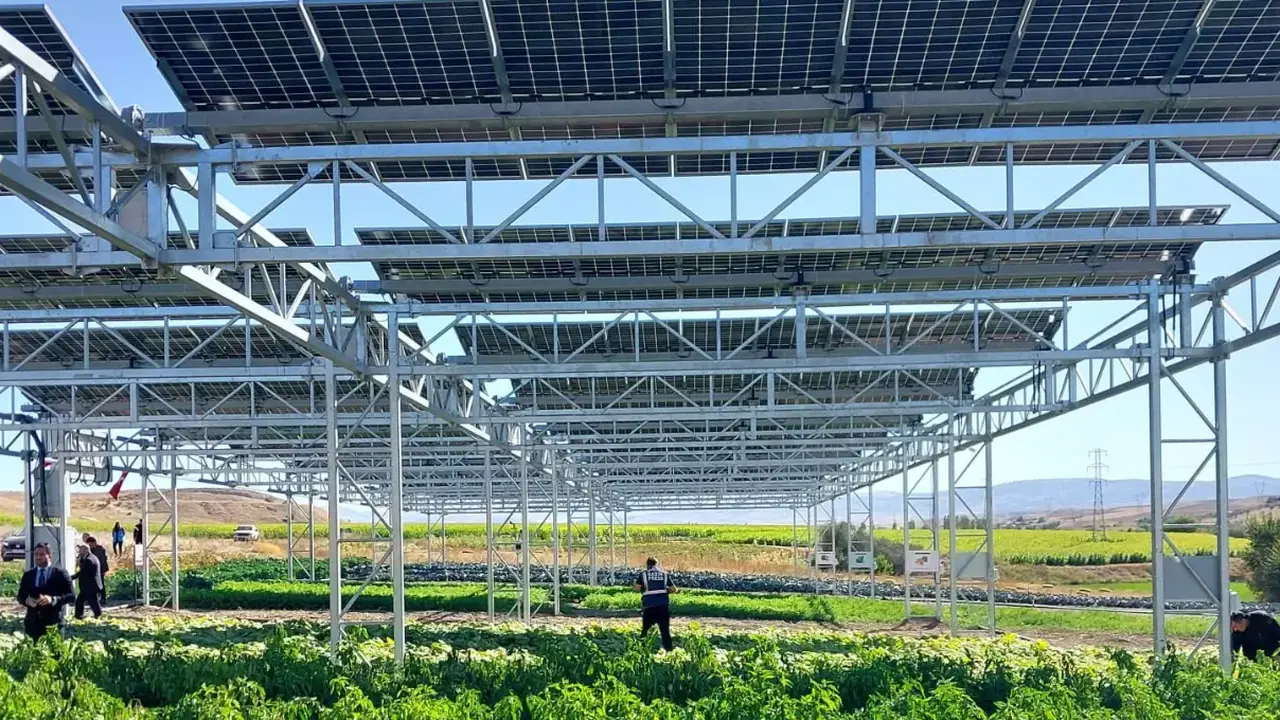
The first successful harvest has been completed at a pilot integrated agricultural solar power plant (Agri-PV) in the Konya Plain, which is widely recognized as the primary grain hub of Turkey. This 60 kW facility was established through a strategic partnership between the think tank Solar3GW, the METU Solar Energy Research and Applications Center (METU-GÜNAM), and the General Directorate of Agricultural Research and Policies (TAGEM). During the pilot phase, buckwheat was cultivated directly beneath the photovoltaic panels to test the viability of dual-use land strategies. The initial data confirms that this innovative model allows for simultaneous electricity production and agricultural cultivation while enhancing crop productivity and reducing the need for irrigation in arid climates.
- Buckwheat yield increased by 7 percent under the shade of solar panels compared to traditional open-field control areas.
- The microclimate created by the solar infrastructure resulted in a 20 percent reduction in water consumption for the crops.
- Initial investment costs for Agri-PV systems are currently 30 to 40 percent higher than standard ground-mounted solar plants.
- Utilizing just 1 percent of Turkey’s agricultural land for integrated solar projects could provide a massive 190 GW of clean energy capacity.
Buckwheat Yield Increases While Water Consumption Drops Significantly
Data collected from the pilot site indicates that buckwheat grown under the partial shading of photovoltaic panels achieved a 7 percent higher yield compared to the control group. This success is largely attributed to the unique microclimate generated by the panels, which protect plants from extreme heat and help the soil retain moisture more effectively. One of the most critical outcomes of the study is the 20 percent reduction in water consumption. As Turkey faces increasing water stress due to global warming and recurring droughts, these results offer a tangible solution that aligns food security with energy transition goals.
Associate Professor Dr. Talat Özden, Coordinator of the Integrated Photovoltaic Technologies Unit at METU-GÜNAM, noted that farmers are currently facing heavy economic pressure from rising energy costs and irregular rainfall. He emphasized that the primary objective of Agri-PV systems is not merely to generate electricity but to make agricultural production more resilient and sustainable. According to Özden, the true value of this technology lies in its ability to protect crops from harsh weather conditions while providing a stable source of clean energy for the farm’s operations.
Specialized Infrastructure Requirements Lead to Higher Initial Costs
Agri-PV installations require specialized construction compared to traditional solar farms because the panels must be elevated high enough to allow tractors and other heavy agricultural machinery to pass underneath. These structural requirements make the initial setup approximately 30 to 40 percent more expensive than conventional land-based systems. While a standard solar project might cost around $400,000 per megawatt, an Agri-PV project typically ranges between $550,000 and $560,000 per megawatt. However, experts argue that the investment pays for itself within 8 to 10 years when factoring in increased agricultural yields, water savings, and the production of renewable energy.
Updated Regulations Could Unlock Massive Renewable Energy Potential
Yusuf Bahadır Turhan, Chairman of Solar3GW, highlighted that current Turkish regulations only permit solar installations on agricultural land for self-consumption purposes, limited to 1 percent of the total land area. He suggested that if the government designated specific regions as “Agri-PV Renewable Energy Resource Areas” (YEKA), Turkey could tap into a staggering 190 GW of clean energy potential by using only a fraction of its farmland. Turhan also addressed common concerns among farmers, stating that the panels actually protect crops from extreme weather events like hailstorms and excessive sun exposure, rather than hindering growth.
Global Economies are Rapidly Expanding Their Agri-PV Capacities
The global adoption of Agri-PV technology is accelerating as nations seek to optimize land use. METU-GÜNAM’s “Turkey Agri-PV Outlook 2026” report outlines how leading economies are integrating this technology into their national strategies. Italy has launched a 1.1 billion euro incentive program to deploy 1 GW of new Agri-PV capacity. Japan has updated its land protection laws to provide legal status for solar-integrated farming, while China leads the market with over 134.5 GW of installed capacity across nearly 1,700 projects. India is also aiming for a massive 783 GW of installed capacity by 2040, demonstrating that the future of farming is becoming increasingly electrified.
Do you think integrating solar panels with farming is the best solution for Turkey’s energy and water challenges, or should we prioritize traditional solar farms on non-agricultural land? Share your thoughts and join the discussion in the comments below!
Your comment has been submitted,
it will be published after approval.