
Tesla Cybercab Faces Federal Safety Probe in Austin

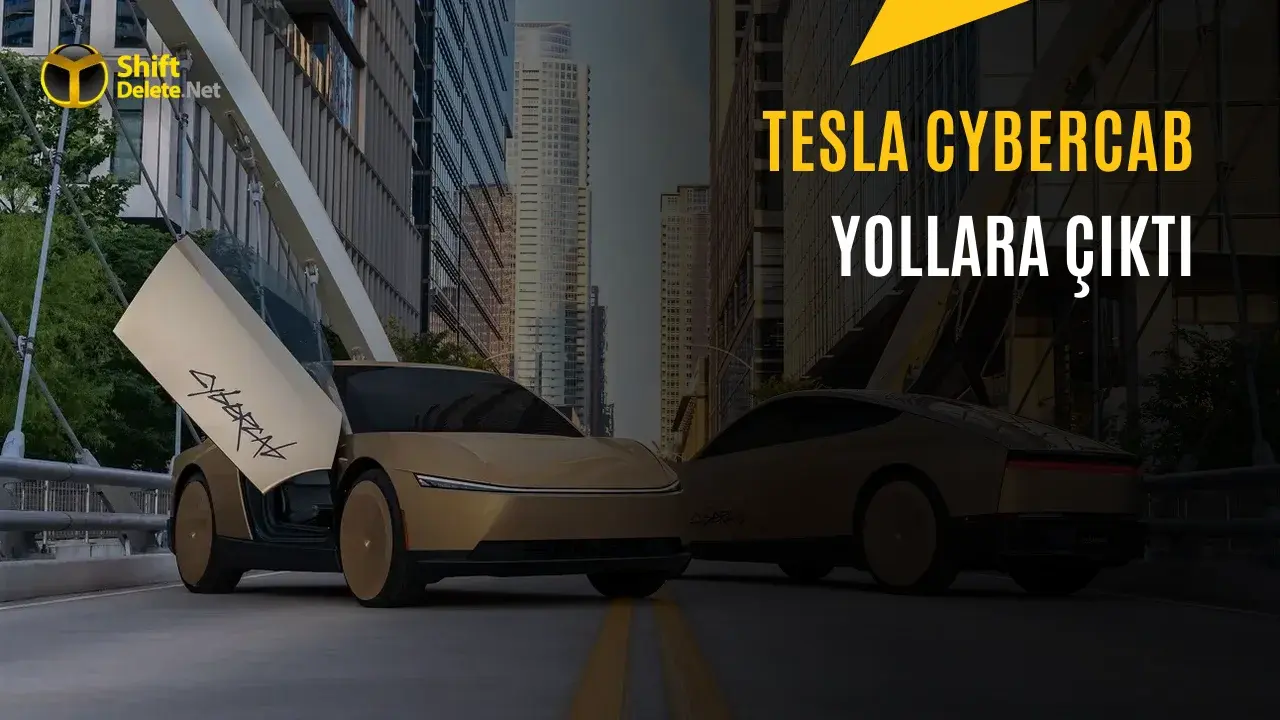
Tesla has officially deployed its autonomous Tesla Cybercab robotaxi fleet on the streets of Austin, Texas, marking a significant milestone in Elon Musk’s vision for fully driverless transportation. However, the launch has immediately drawn the attention of the U.S. National Highway Traffic Safety Administration (NHTSA), which has launched a formal investigation into the vehicle’s unique design. Introduced by Musk in October 2024, the Cybercab is designed without traditional manual controls, prompting regulators to scrutinize the safety certifications Tesla conducted internally. While commercial operations have commenced with 45 units currently active, the federal investigation aims to ensure all safety standards are met before the planned mass production in April 2026.
- The NHTSA is investigating the Tesla Cybercab due to its complete lack of steering wheels, pedals, and rearview mirrors.
- Tesla plans to begin mass production of the robotaxi in April 2026 at an estimated price point below 30,000 dollars.
- The vehicle relies exclusively on camera-based vision systems for navigation instead of traditional radar or lidar technology.
Federal Regulators Evaluate Safety Protocols
The core of the NHTSA investigation centers on the absence of human-operated controls in the Cybercab. By removing the steering wheel, brake pedal, and accelerator, Tesla has challenged traditional automotive safety requirements. NHTSA Administrator Jonathan Morrison noted that while the agency supports innovation in autonomous vehicle technology, it must ensure that all federal regulations are strictly followed. This regulatory scrutiny is not unprecedented; Amazon-owned Zoox underwent a similar rigorous evaluation process for its autonomous designs before receiving approval for public road testing in 2025.
Technological Challenges Remain Significant
Beyond regulatory hurdles, the Cybercab faces skepticism regarding its reliance on vision-only technology. Unlike many of its competitors, Tesla has opted to exclude radar and lidar, opting instead for a proprietary camera system. This technical decision has raised concerns among the public, with recent data from the Pew Research Center indicating that 71 percent of U.S. adults feel uncomfortable traveling in fully autonomous vehicles. Past incidents involving Tesla’s automated systems have further fueled this public anxiety, making the company’s path to widespread adoption a complex challenge.
Future Expansion Plans are Being Developed
Elon Musk has expressed ambitious goals for the Cybercab, suggesting that individuals will eventually be able to purchase their own units to join a broader robotaxi network. By allowing owners to monetize their vehicles, Tesla aims to transform the concept of personal vehicle ownership into a passive income stream. The company has already released an interest form for potential buyers, signaling that the move toward a fully autonomous future is moving forward despite the current safety investigations. Whether the public will embrace a world without manual driving remains a subject of intense debate among industry analysts and potential users alike.
Given the shift toward fully autonomous vehicles without steering wheels or pedals, we want to hear your perspective. Do you believe the technology is ready for everyday use, or are the safety concerns regarding camera-only navigation still too great to ignore? Share your thoughts in the comments below.
Your comment has been submitted,
it will be published after approval.