
IFA Berlin Highlights Innovative Robotics and Futuristic Consumer Electronics

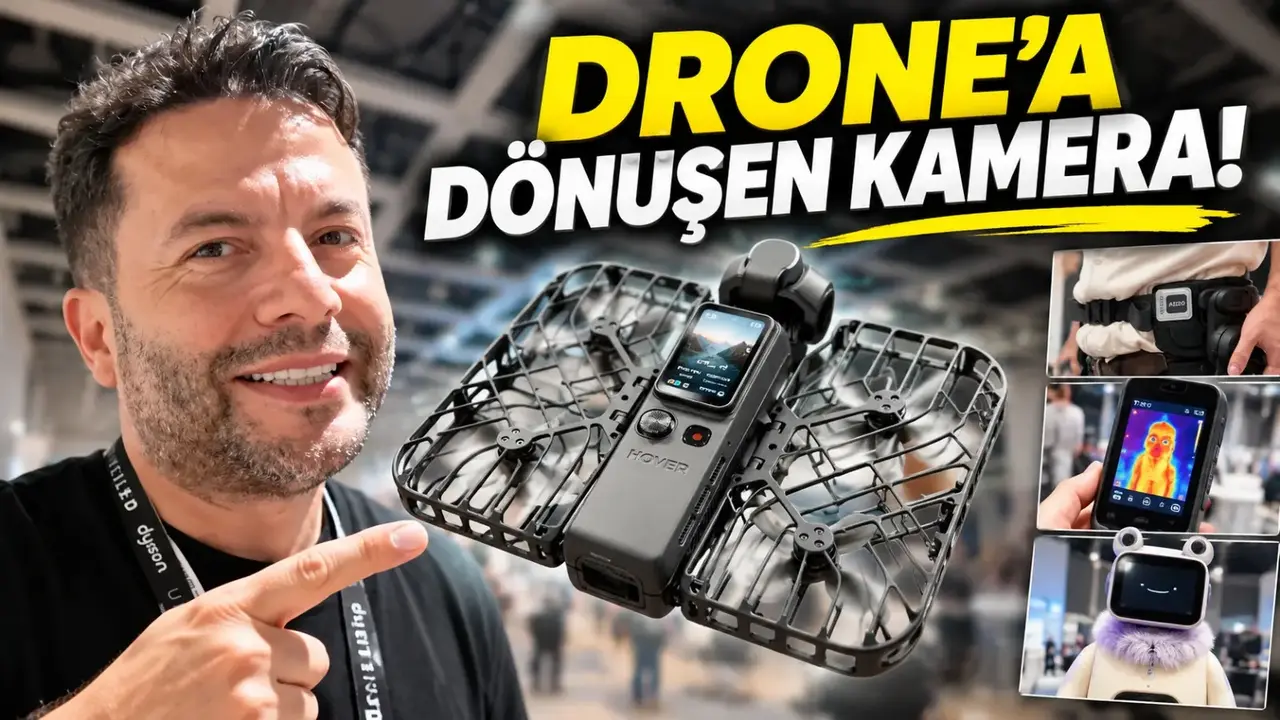
At the prestigious IFA Berlin technology trade show held in Germany’s capital, industry experts and enthusiasts gathered this week to witness the unveiling of ground-breaking consumer electronics. Among the most significant developments were wearable robotic exoskeletons designed to enhance human mobility and ease physical exertion. During an intensive tour of the exhibition floor, we observed a wide array of cutting-edge hardware, ranging from Lidar-equipped autonomous lawnmowers and miniaturized 30W GaN power adapters to solar-powered tracking systems for pets. These innovations demonstrate how the future of consumer technology is rapidly shifting toward modular, intelligent, and highly efficient hardware solutions that prioritize user convenience and sustainability.
- Wearable robotic exoskeletons provide enhanced support for human mobility and physical activity.
- Modular hardware designs prioritize high functionality within increasingly compact device structures.
- Integration of artificial intelligence and solar technology improves the efficiency of smart home and pet management systems.
- Independent start-ups are challenging market norms with creative solutions that transform daily life.
Bionic Drones and Intelligent Systems Redefine Mobility
The exhibition showcased a diverse range of futuristic designs that push the boundaries of current engineering. One of the standout features included bionic drone designs that mimic bird wing mechanics rather than relying on traditional propellers. Furthermore, the event highlighted the Hover Air modular system, which allows users to detach the camera from the primary frame for handheld operation, offering unprecedented versatility for content creators. These developments highlight a significant trend toward multi-functional hardware that adapts to the specific needs of the operator in real-time.
Smart Integration Transforms Domestic Environments
Beyond mobile hardware, the integration of artificial intelligence into everyday devices remains a primary focus for manufacturers. Solar-powered smart water feeders that utilize AI to identify and record bird species were among the most notable smart-home innovations present at the event. These systems represent a broader shift toward autonomous, eco-friendly infrastructure that requires minimal human intervention while providing significant data-driven insights. By combining renewable energy sources with advanced sensor arrays, these technologies aim to simplify complex domestic tasks.
Independent Start-ups Are Influencing Industry Standards
The event proved that innovation is no longer limited to the world’s largest technology conglomerates. Numerous independent start-ups presented creative, cost-effective solutions that have the potential to disrupt the existing consumer electronics market. Their ability to deliver high-performance equipment in smaller, more accessible packages demonstrates a shift in manufacturing priorities. As these technologies transition from trade show prototypes to mass-market products, industry observers are closely monitoring the balance between production costs and consumer affordability.
Future Market Trends Are Being Closely Observed
As the curtains close on this year’s IFA Berlin, it is clear that the landscape of personal technology is becoming increasingly modular and efficient. The rapid development of wearable robotics and AI-enhanced peripherals suggests that the next generation of consumer electronics will be defined by their ability to augment human performance. Whether through the lens of sophisticated flying cameras or advanced medical-grade exoskeletons, the commitment to functional design remains the cornerstone of modern engineering. Industry experts anticipate that these early-stage technologies will soon see widespread adoption across various global markets.
The rapid evolution of consumer technology is truly remarkable, but which of these innovations do you find most impactful for your daily life? Are you more excited about the potential of wearable robotics or the creative freedom provided by modular drone technology? Please share your thoughts and predictions in the comments section below.
Your comment has been submitted,
it will be published after approval.