
Baykar Eyes Energy Future with Small Modular Reactor Development

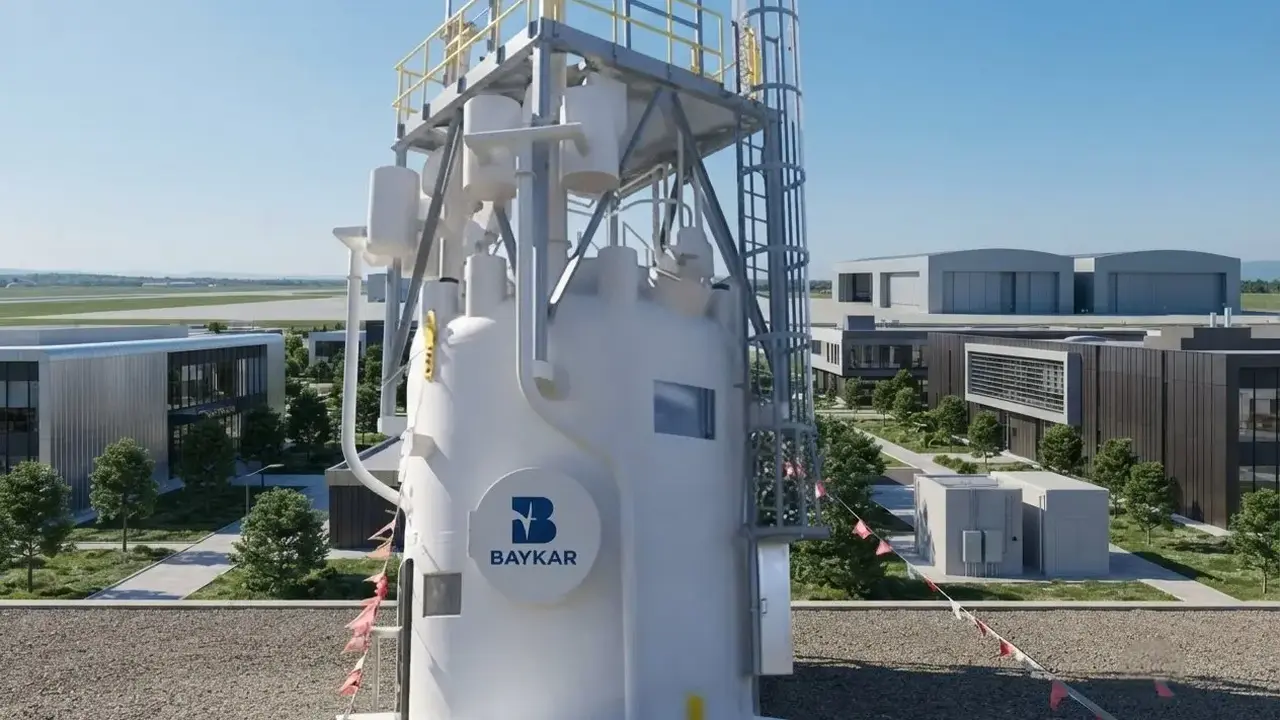
Baykar, the Turkish aerospace giant, has officially entered the nuclear energy sector as part of a strategic move to bolster national technological independence. During the Nuclear Energy Technologies Design Competition at TEKNOFEST, Chairman Selçuk Bayraktar announced that his company has been actively researching Small Modular Reactor (SMR) technologies for the past two years in collaboration with TMRS Energy. This initiative marks a significant pivot for the defense manufacturer, aiming to develop domestic SMR capabilities within the coming years to address both national energy demands and the growing global necessity for sustainable, scalable power solutions.
- Baykar is developing small modular reactor technologies in partnership with TMRS Energy to enhance domestic energy independence.
- The company aims to produce functional SMR units within a few years to meet diverse energy requirements.
- Turkey plans to integrate at least 5 GW of SMR capacity into its national energy portfolio over the next two decades.
- The government is simultaneously revitalizing nuclear research infrastructure by relicensing the TR-2 Research Reactor.
SMR Technologies Offer New Energy Independence Opportunities
Selçuk Bayraktar emphasized that nuclear technology is currently heavily regulated by state entities, particularly regarding fuel and specialized infrastructure. By transitioning toward SMRs, Turkey can mirror the rapid technological evolution seen in the aviation sector. Unlike traditional, large-scale nuclear power plants, these modular reactors provide a flexible approach. They allow for incremental capacity building, which can be adapted to specific regional energy needs, making them a cornerstone for future energy autonomy.
Artificial Intelligence Drives Rising Global Energy Demands
A critical aspect of Baykar’s motivation lies in the intersection of artificial intelligence and energy consumption. Bayraktar noted that the massive computational power required for modern AI infrastructures depends entirely on stable and abundant electricity. With global consumption rates skyrocketing, the development of SMRs is no longer just an energy project but a strategic necessity for the entire technology ecosystem. Furthermore, as approximately 600 million people worldwide still lack consistent access to electricity, these modular units present a viable opportunity to close the global energy gap.
Turkey Targets Significant Nuclear Capacity Expansion
This private sector initiative aligns perfectly with Turkey’s broader national energy policy. The Ministry of Energy and Natural Resources has explicitly outlined plans to incorporate small modular reactors alongside conventional plants to achieve a target of 20,000 megawatts of total nuclear capacity by 2050. Official projections indicate that at least 5 gigawatts of this total will be derived from SMR technologies. This strategy underscores the government’s commitment to diversifying the nation’s energy mix while ensuring long-term sustainability.
National Nuclear Research Infrastructure Continues to Grow
In addition to industrial development, Turkey is strengthening its research capabilities. Minister of Energy and Natural Resources Alparslan Bayraktar confirmed the relicensing of the TR-2 Research Reactor located at the Çekmece facility. This development will allow for renewed nuclear material testing and advanced research activities. These combined efforts—ranging from private industrial research to government-led policy and infrastructure upgrades—demonstrate a comprehensive national focus on mastering nuclear technology for both civil and technological advancement.
How do you evaluate the potential of small modular reactors to reshape the future of energy production? We invite you to share your perspectives and thoughts on this technological shift in the comments section below.
Your comment has been submitted,
it will be published after approval.