
US Awards $464 Million Contract for Laser Weapon Production

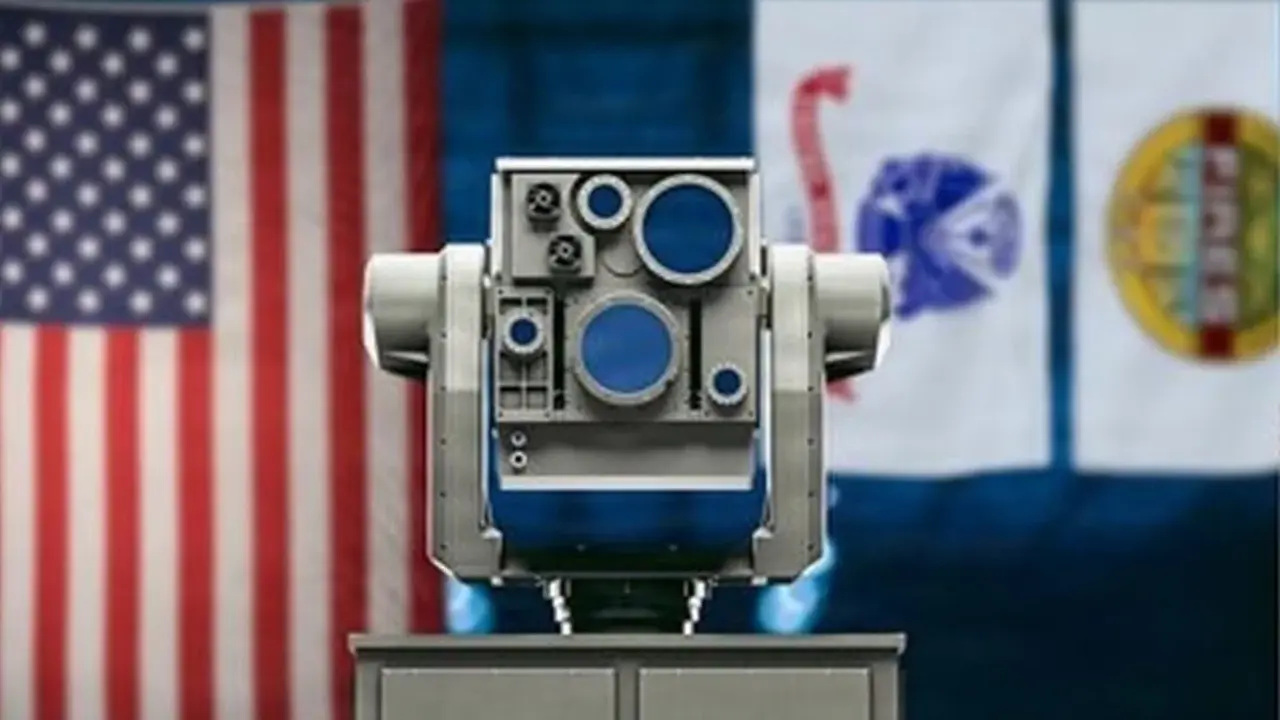
The United States military has officially transitioned its directed-energy warfare strategy from experimental prototypes to large-scale production, marking a historic shift in modern defense capabilities. The U.S. Army recently awarded a landmark $464.8 million contract to AeroVironment as part of the Enduring-High Energy Laser (E-HEL) program. This significant investment aims to bolster ground-based air defenses against the rising threat of unmanned aerial systems (UAS). By moving into a serial production phase, the military intends to deploy advanced laser technology to protect tactical assets from the growing prevalence of low-cost, high-volume drone attacks that have recently redefined the landscape of contemporary warfare.
- The U.S. Army finalized a $464.8 million contract with AeroVironment to initiate the serial production of high-energy laser systems.
- The LOCUST X3 system utilizes a 30 kW class laser designed to neutralize Group 3 unmanned aerial vehicles effectively.
- This agreement represents the first major production contract for directed-energy weapons in the history of the United States.
LOCUST X3 Systems Target Aerial Threats
At the core of this multi-million dollar defense contract is the LOCUST X3, a sophisticated high-energy laser platform engineered by AeroVironment. The system operates within the 30 kW power range, specifically optimized to intercept small and medium-sized drones. These targets often include Group 3 UAVs, which can weigh up to 600 kilograms and operate at altitudes of 18,000 feet.  By focusing on these specific tactical threats, the U.S. Army expects to deploy dozens of these units over the coming years, with initial operational capabilities anticipated to emerge within the next 12 months.
Laser Technology Provides a Cost-Effective Alternative
Traditional air defense systems rely heavily on interceptor missiles, which are often prohibitively expensive when deployed against low-cost, mass-produced drones. Laser systems, however, offer a distinct economic advantage; as long as the platform maintains a consistent electrical power supply, it can engage multiple targets in rapid succession without the need for traditional ammunition resupply. The E-HEL program is positioned as a critical layer within the broader U.S. air defense architecture. Furthermore, the LOCUST X3 integrates artificial intelligence to assist in target acquisition, tracking, and prioritization, ensuring that the system remains effective in complex electronic warfare environments.
Modular Platforms Enhance Tactical Mobility
The versatility of the LOCUST X3 extends beyond fixed installations. The system features a modular architecture that allows it to be mounted onto various land platforms, most notably the Joint Light Tactical Vehicle (JLTV). This mobility ensures that the laser system can provide protection to moving convoys or rapidly deployable forces in dynamic combat zones. AeroVironment is currently scaling its manufacturing infrastructure to meet the Army’s demand, with plans to increase production rates significantly over the next 24 months. This industrial ramp-up signals that the military is moving away from limited-use test beds toward widespread, field-ready defensive solutions. As the U.S. military integrates these advanced technologies into its frontline units, the role of lasers in neutralizing drone swarms will likely become a cornerstone of future operations.
How do you think the integration of high-energy laser weapons into mobile ground vehicles will change the outcome of future conflicts? Share your thoughts on this technological milestone in the comments section below.
Your comment has been submitted,
it will be published after approval.