
Pentagon Boosts F-35 Missile Capacity to Six Units

The United States Department of Defense is advancing a strategic modernization initiative for the F-35 Lightning II fleet, aiming to significantly enhance its air-to-air combat capabilities. Known as the “Six in the Bay” (SITB) program, this effort focuses on increasing the aircraft’s internal missile capacity from four to six units. By integrating this upgrade into the broader Block 4 modernization roadmap, the Pentagon plans to complete the technical transition by September 2030. This development represents a critical leap in aerial warfare readiness, allowing the F-35 to maintain its lethal stealth configuration while carrying a 50 percent larger internal payload of AIM-120 class missiles during high-threat missions.
- The SITB program increases the internal missile capacity of the F-35 from four to six units to enhance combat lethality.
- This modernization project serves as a key component of the comprehensive Block 4 upgrade package scheduled for completion by 2030.
- The design modifications allow the aircraft to carry more firepower without compromising its low-observable stealth profile.
- A standard four-aircraft flight could theoretically field 24 internal missiles instead of the current 16 units.
Internal Payload Increases by Fifty Percent
The current configuration of the F-35 relies on its internal weapon bays to sustain stealth capabilities, as external carriage increases the aircraft’s radar cross-section. By successfully integrating two additional missile slots, the military ensures that the platform can remain undetected in contested environments while providing increased defensive and offensive punch. 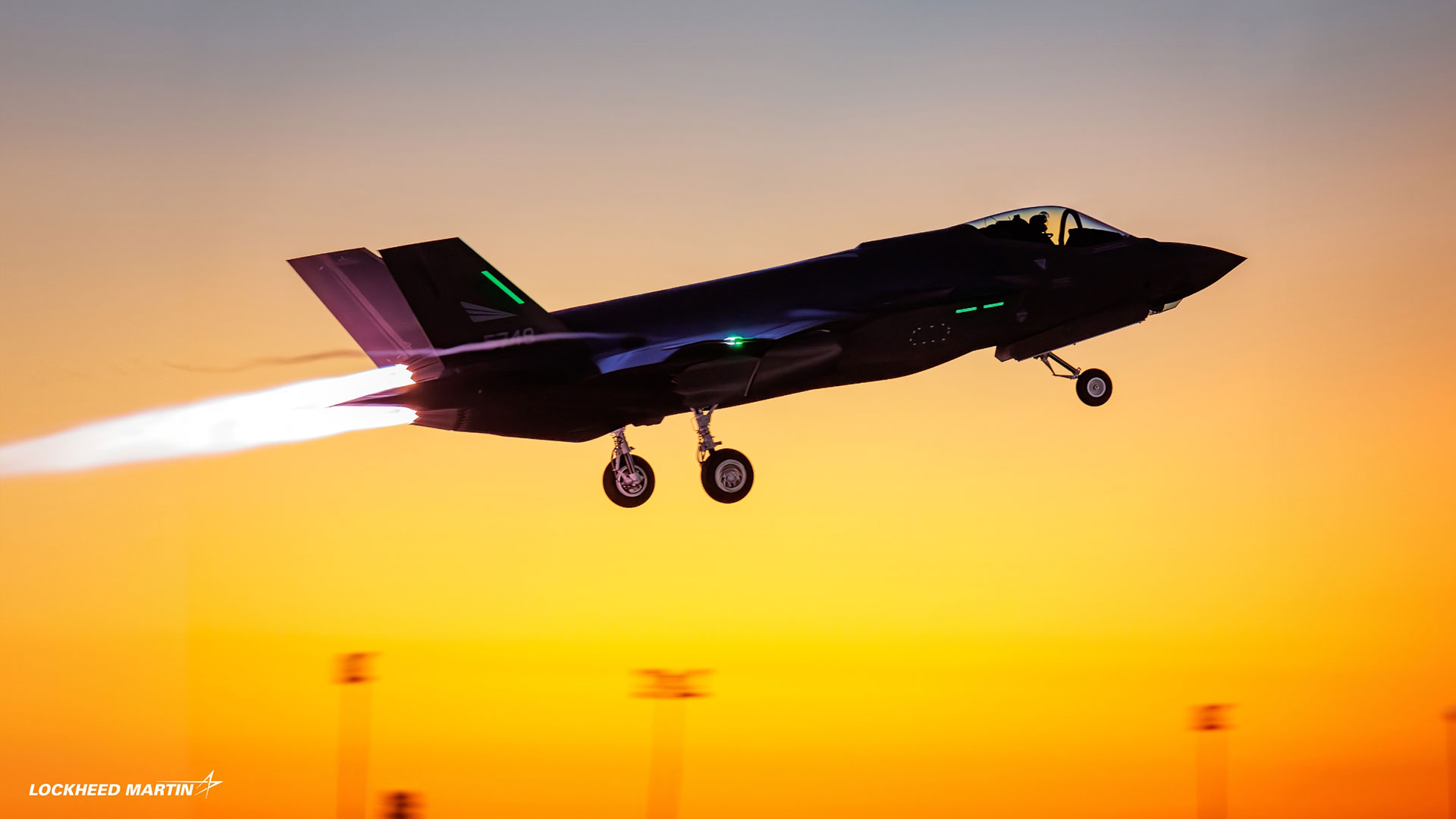
This is not merely a structural change but a complex engineering feat. It requires the synchronization of new weapon carriage mechanisms, updated flight software, and refined weapon-aircraft interfaces. Ensuring that missiles can separate safely from the bay at high speeds is a primary technical requirement that engineers must validate through rigorous testing cycles.
Stealth Advantages Remain the Primary Priority
Maintaining a low radar signature remains the cornerstone of the F-35’s operational philosophy. By keeping all munitions stored internally, the aircraft avoids the drag and radar visibility issues associated with external pylons. This capability allows the platform to penetrate deep into hostile airspace where traditional aircraft might be detected prematurely. The expansion to six internal missiles means that commanders can task F-35 squadrons with missions that require sustained air-to-air engagement without sacrificing the tactical benefits of stealth.
Integration Continues Within Block 4 Efforts
The “Six in the Bay” initiative is an integral part of the F-35’s expansive Block 4 modernization project. This long-term program focuses on upgrading core systems, including advanced sensor suites, improved electronic warfare suites, enhanced communication links, and increased onboard processing power. While the specific missile combinations for this new configuration remain under evaluation, the project marks a significant shift in how the platform will handle future aerial threats.
Furthermore, the Sidekick concept, which previously targeted the F-35A and F-35C variants, serves as the conceptual foundation for these upgrades. As the military continues to refine the hardware and software integration, the goal remains to ensure that these fifth-generation fighters remain the most capable assets in the global arsenal. The development timeline suggests a disciplined approach to testing, ensuring that every modification supports the platform’s overarching combat requirements.
How do you think this 50 percent increase in internal missile capacity will alter the tactical deployment of fifth-generation fighter squadrons in future conflicts? Share your insights and technical analysis in the comments section below.
Your comment has been submitted,
it will be published after approval.