
WhatsApp to Introduce Guest Calling Without Account Requirements

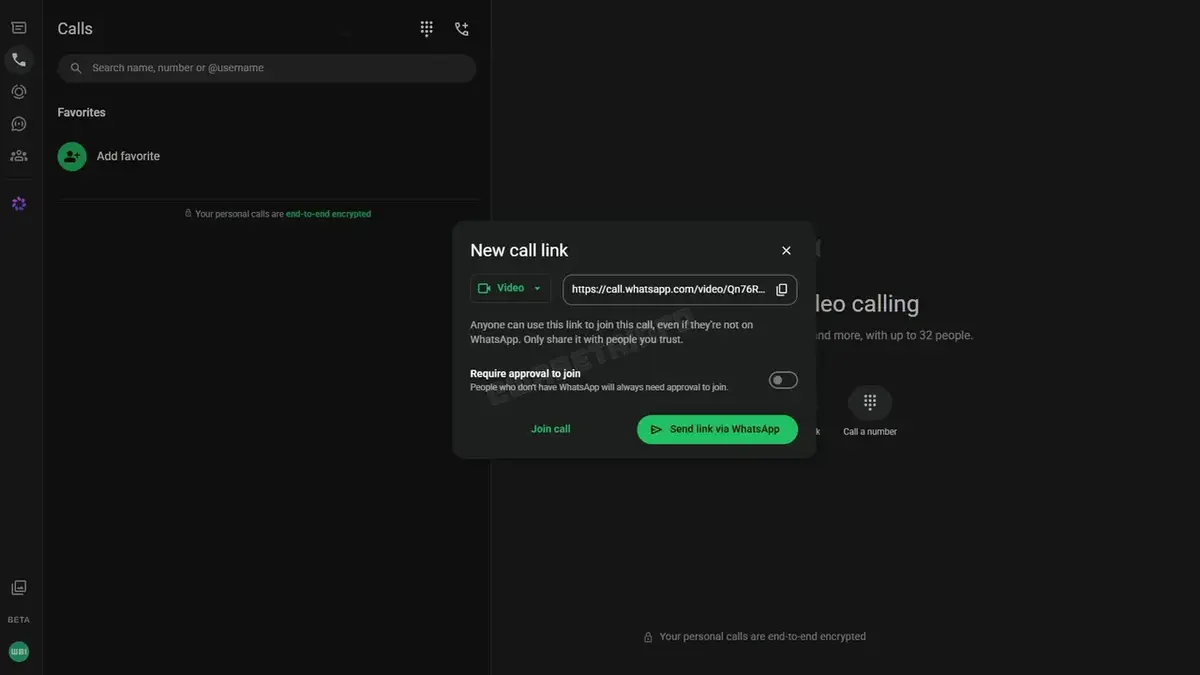
Meta-owned communication platform WhatsApp is currently developing a groundbreaking feature that allows users to initiate voice and video calls with individuals who do not possess a registered WhatsApp account. This “guest calling” functionality, currently in the development phase, leverages WhatsApp Web infrastructure to enable seamless connectivity via unique web links. By bypassing the traditional requirement for app installation or account registration, the platform aims to enhance accessibility for quick, temporary interactions. To ensure security remains a priority, the system mandates that the host must manually approve each guest before they can officially join the ongoing audio or video conversation.
- WhatsApp is engineering a new feature that permits non-registered users to participate in calls via web browsers.
- The platform maintains strict security protocols by mandating that hosts manually authorize every guest participant.
- End-to-end encryption technology ensures that private call content remains protected from unauthorized third-party access.
- This functionality creates temporary access links that expire immediately once the communication session concludes.
Guest Calls Function Through Web Browser Integration
Expanding upon its existing guest chat capabilities, WhatsApp is extending this functionality to cover real-time voice and video communication. Users can generate a specialized URL through the WhatsApp Web interface and share it with recipients who lack the application. Upon clicking this link, the guest is instantly directed to a browser-based interface, facilitating immediate interaction. This approach provides a practical solution for professional or personal discussions where installing new software is considered an unnecessary barrier to communication.
End-to-End Encryption Maintains High Security Standards
Despite the lack of an account, the new feature adheres to the rigorous security standards that define the WhatsApp ecosystem. When a guest joins through the provided link, the system generates a unique identifier for that specific browser session. This identifier serves as the foundation for a robust encryption key, ensuring that the entire call remains encrypted from start to finish. Consequently, the absence of an account does not weaken the platform’s commitment to privacy, as third-party interception remains effectively blocked by the underlying cryptographic architecture.
Hosts Retain Full Control Over Call Access
To prevent unauthorized intrusions, the platform grants the host comprehensive authority over the meeting environment. The requirement for manual approval is absolute; no guest can enter the session without the host’s explicit consent. Furthermore, hosts are empowered with the ability to remove disruptive participants or terminate the entire session at any time. These measures ensure that the digital space remains controlled and safe, even when communicating with users outside the established network.
Development Status Remains in the Early Phases
While the prospect of guest calling is highly anticipated, WhatsApp has not yet released the feature to the general public or even to beta testers. The development team continues to refine the user experience and security protocols before a wider rollout. Although no official timeline has been confirmed for the final release, the industry expects this functionality to appear in future updates, significantly altering how users approach ad-hoc digital meetings.
How do you evaluate this shift toward account-free communication on WhatsApp? Do you believe these manual verification measures are sufficient to protect your privacy during business meetings? We invite you to share your thoughts and concerns in the comments section below.
Your comment has been submitted,
it will be published after approval.