
Microsoft’s Xbox Helix Handheld Could Outperform Sony’s Future Systems

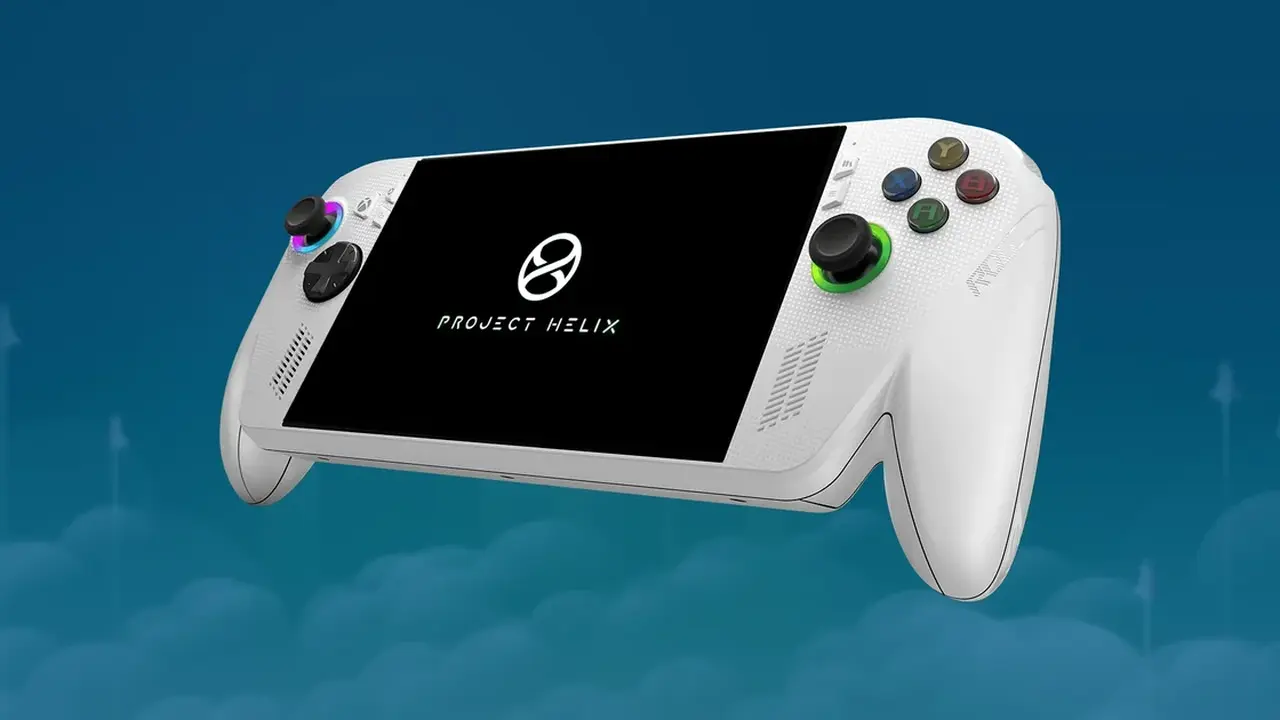
Microsoft is reportedly preparing to revolutionize the portable gaming sector with a new project internally referred to as Xbox Helix. Industry insiders suggest that the tech giant is developing a high-performance handheld console designed to bridge the gap between mobile gaming and home console quality. By reimagining its hardware and software infrastructure, Microsoft aims to challenge market incumbents like Sony by offering a unique ecosystem that integrates seamlessly with existing cloud and local gaming libraries. This strategic pivot highlights a significant shift in Microsoft’s approach to the hardware market as it seeks to capture the growing audience of mobile gaming enthusiasts.
- Microsoft is currently developing a new portable hardware platform known internally as Xbox Helix.
- The hardware architecture focuses on delivering high-end console performance in a mobile form factor.
- Microsoft intends to integrate its cloud-based services and Game Pass library directly into the device.
- The console design prioritizes modular software flexibility to ensure long-term performance improvements.
Technical Specifications Enhance the Console Experience
The core of the Xbox Helix project centers on sophisticated hardware engineering that positions the device as a comprehensive entertainment hub rather than a simple portable gaming tool. Early reports indicate that the device will utilize advanced processing units and optimized power management systems to exceed current industry standards. By focusing on superior graphic processing capabilities, Microsoft intends to provide a visual experience that significantly outperforms existing handheld gaming devices.
Furthermore, the integration of cloud-based gaming services with local hardware represents a critical component of the platform’s success. Unlike traditional handhelds that rely solely on internal storage, Xbox Helix will likely allow users to access their digital game collections and extensive Game Pass libraries with minimal latency. This hybrid approach ensures that players have a vast content pool available at any time, effectively turning the portable device into a powerhouse of digital entertainment.
Competitive Strategy Reshapes the Gaming Market
The global portable gaming market has experienced intense competition in recent years, prompting major manufacturers to reconsider their product strategies. Microsoft’s entry into this segment is viewed as a major disruption that could challenge the dominance of Sony and other established players. The company is reportedly focusing on hardware ergonomics and battery efficiency to ensure that the user experience remains consistent during extended gaming sessions, a common pain point for existing portable systems.
Beyond raw power, the flexibility of the Xbox Helix architecture stands out as a significant competitive advantage. The platform is designed to receive frequent software updates that can improve hardware performance over time, extending the device’s lifecycle significantly. By leveraging its vast expertise in operating systems and software ecosystems, Microsoft aims to build a loyal user base that values continuity and high-quality gaming experiences across all platforms. As the industry watches closely, the success of this strategy may depend on how effectively Microsoft balances performance with the unique demands of mobile gaming hardware.
Do you believe that the upcoming Xbox Helix will succeed in changing the competitive landscape of the portable gaming market, or do you think established competitors will maintain their lead? Share your thoughts and expectations regarding this potential new device in the comments section below.
Your comment has been submitted,
it will be published after approval.