
The Performance Gap Between Wired and Wireless Mice Has Vanished

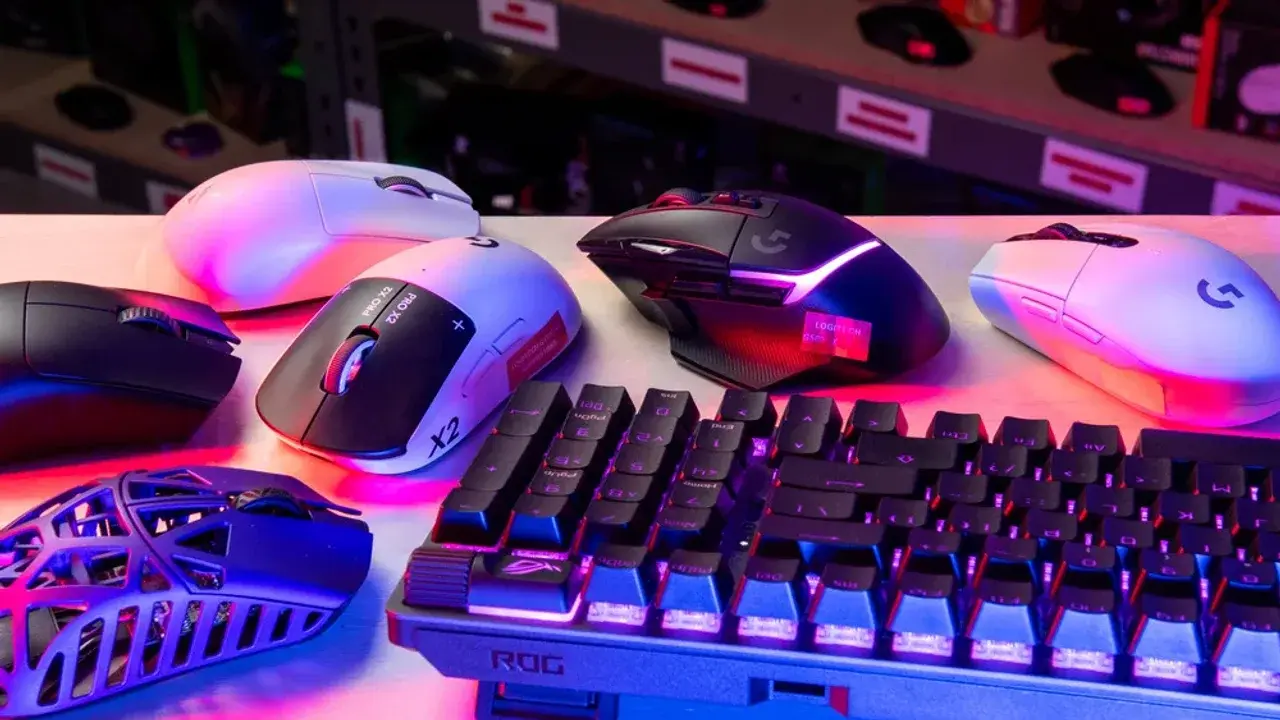
For many years, the debate surrounding wired and wireless mice has been a cornerstone of gaming hardware discussions, with competitive players traditionally favoring the reliability of a physical connection. However, recent advancements in 2.4 GHz transmission technology and sensor precision have effectively bridged the performance gap, making wired and wireless mice nearly indistinguishable in terms of latency. As of 2025, professional e-sports athletes have widely transitioned to wireless peripherals, signaling a definitive shift in the gaming industry. Modern hardware now offers input delay metrics that are virtually identical, proving that the technical limitations once associated with wireless gaming have been successfully overcome.
- Modern 2.4 GHz wireless technology achieves input latency between 0.5 and 1 millisecond, matching the performance of wired counterparts.
- High-end gaming sensors now support polling rates up to 8,000 Hz for near-instantaneous data transmission.
- Professional e-sports data indicates that the top ten most utilized gaming mice are exclusively wireless models.
- The primary remaining distinctions between these technologies involve pricing, battery management, and weight rather than raw input performance.
Latency Metrics Define the New Standards
Performance in gaming peripherals is primarily measured through input latency and polling rates. Input latency represents the duration between a physical movement and its registration on the screen, while the polling rate dictates how frequently the mouse reports its position to the computer. While standard office equipment operates at a 125 Hz polling rate, high-performance gaming gear now features rates as high as 8,000 Hz, transmitting data every 0.125 milliseconds. 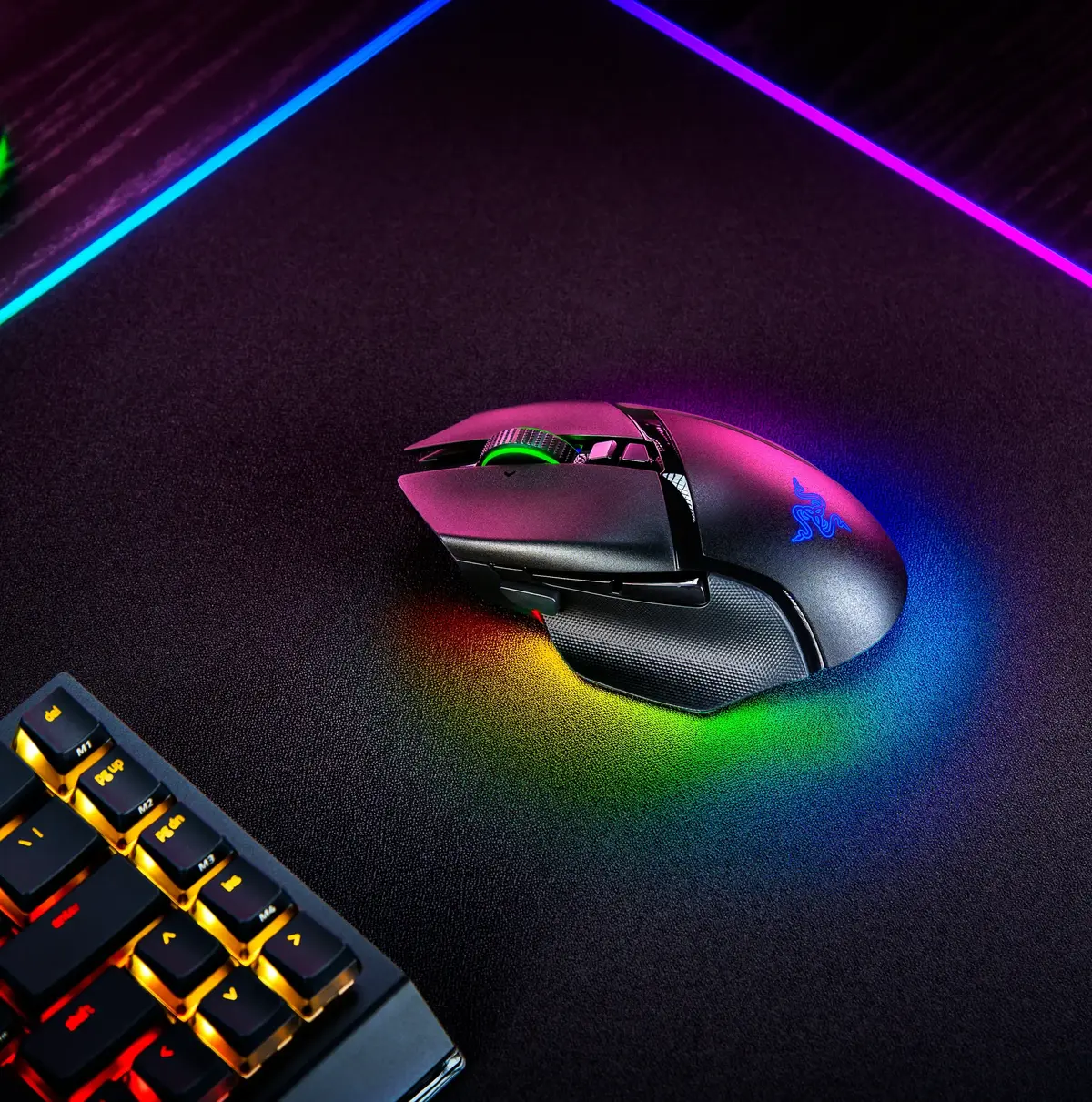 This high-frequency reporting ensures that every micro-movement is captured with extreme fidelity, negating the historical disadvantages of wireless signals.
Sensor Technology Ensures Competitive Accuracy
Beyond latency, the integration of advanced sensors has revolutionized how DPI and tracking speed are managed. Although high DPI settings are often marketed as superior, competitive players prioritize consistent tracking speeds to prevent input errors during rapid flick shots. 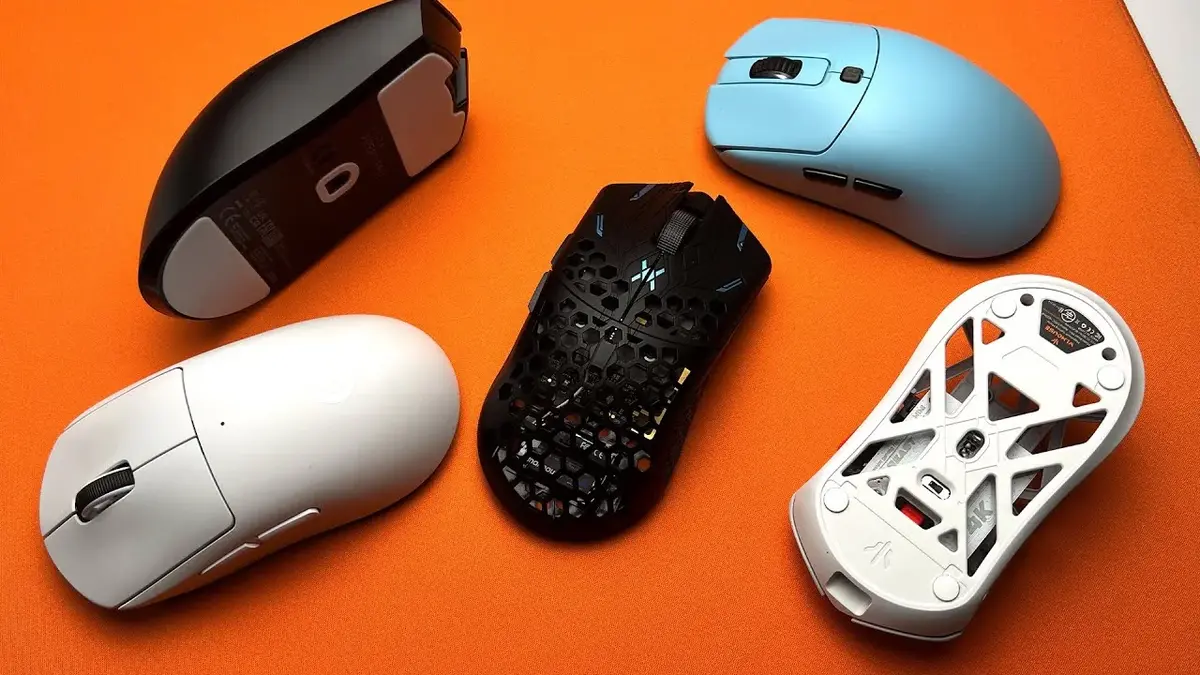 The quality of the sensor and the manufacturer’s firmware tuning have become more significant factors than the type of connection itself. Modern optical sensors maintain high IPS ratings, ensuring that tracking remains accurate even during the most intense competitive scenarios.
Functional Differences Influence Future Consumer Choices
Despite the parity in performance, practical differences persist between these two device categories. Wired mice remain favored by users who prefer a permanent, battery-free connection and lower price points. Conversely, wireless models offer superior freedom of movement, removing the friction and weight drag caused by cables. While wireless mice require occasional charging, many current models offer over 100 hours of battery life and support simultaneous charging and play. As the industry continues to prioritize wireless ergonomics, the reliance on cables in professional settings continues to decline rapidly. Ultimately, the choice between these technologies has shifted from a matter of performance necessity to one of personal preference and budget considerations.
As professional gaming continues to favor wireless technology, we invite you to share your thoughts: do you believe that wireless mice will completely replace wired models in the near future, or does the simplicity of a wired connection still hold unique value for your setup?
Your comment has been submitted,
it will be published after approval.