
Qualcomm and Insyde Software Partner for Snapdragon BIOS Support

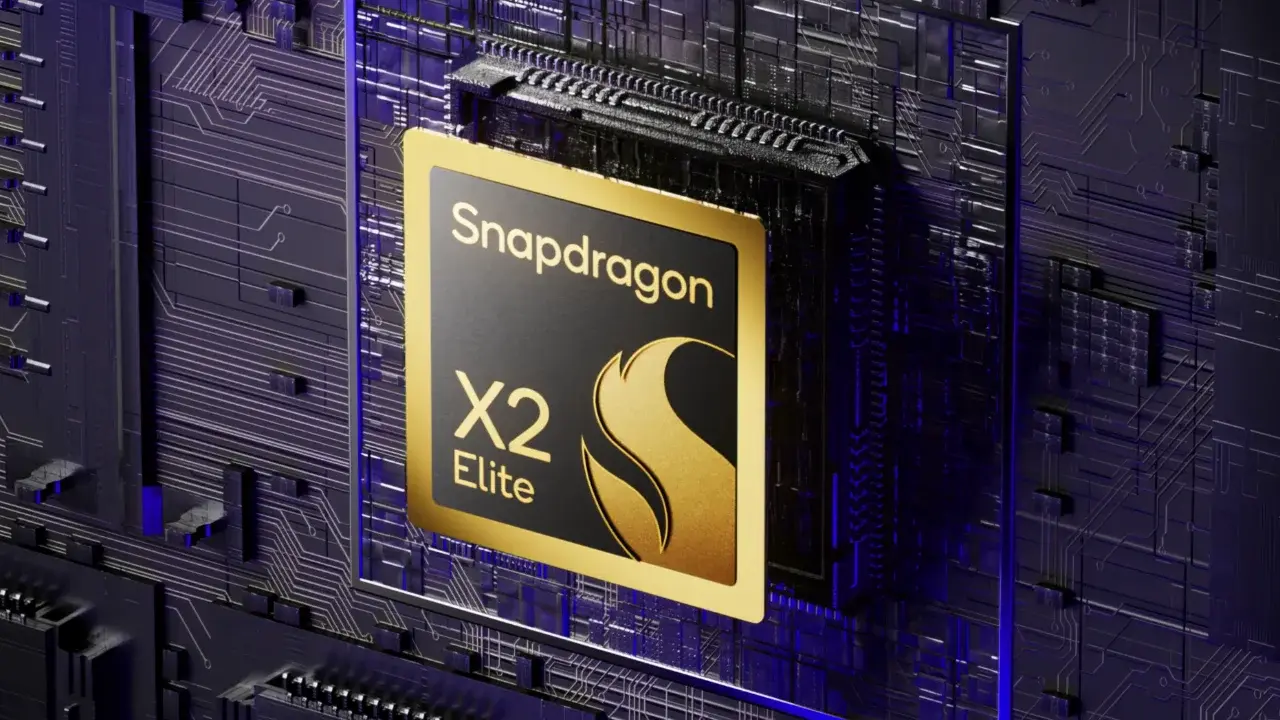
Qualcomm has entered a strategic partnership with Insyde Software to integrate optimized InsydeH2O UEFI BIOS solutions into the Snapdragon X series processors and IoT platforms. By aligning these advanced firmware tools with Arm-based architecture, the collaboration aims to enhance hardware-software stability for Copilot+ AI computers and industrial edge computing devices. This initiative marks a significant effort by Qualcomm to strengthen its presence in the personal computer market by ensuring that its Oryon CPU architecture and Hexagon NPU capabilities operate with seamless efficiency. The partnership addresses critical boot performance and firmware compatibility requirements for manufacturers adopting Snapdragon technology.
- Qualcomm and Insyde Software have integrated InsydeH2O UEFI BIOS to support Snapdragon X series and IoT platforms.
- The collaboration accelerates the development cycle for OEMs and ODMs building Arm-based Windows and Linux systems.
- The firmware optimization provides enhanced power management and NIST-compliant security protocols for new AI-powered hardware.
Firmware Compatibility Improves Performance for Arm Systems
Transitioning from traditional x86 architectures to Arm-based designs often presents hurdles in firmware compatibility and boot process flexibility. Insyde Software provides specialized tools that simplify these complexities for hardware developers. By utilizing the InsydeH2O UEFI BIOS, manufacturers can configure system settings with greater precision, significantly shortening the development cycle for new Snapdragon-based devices. 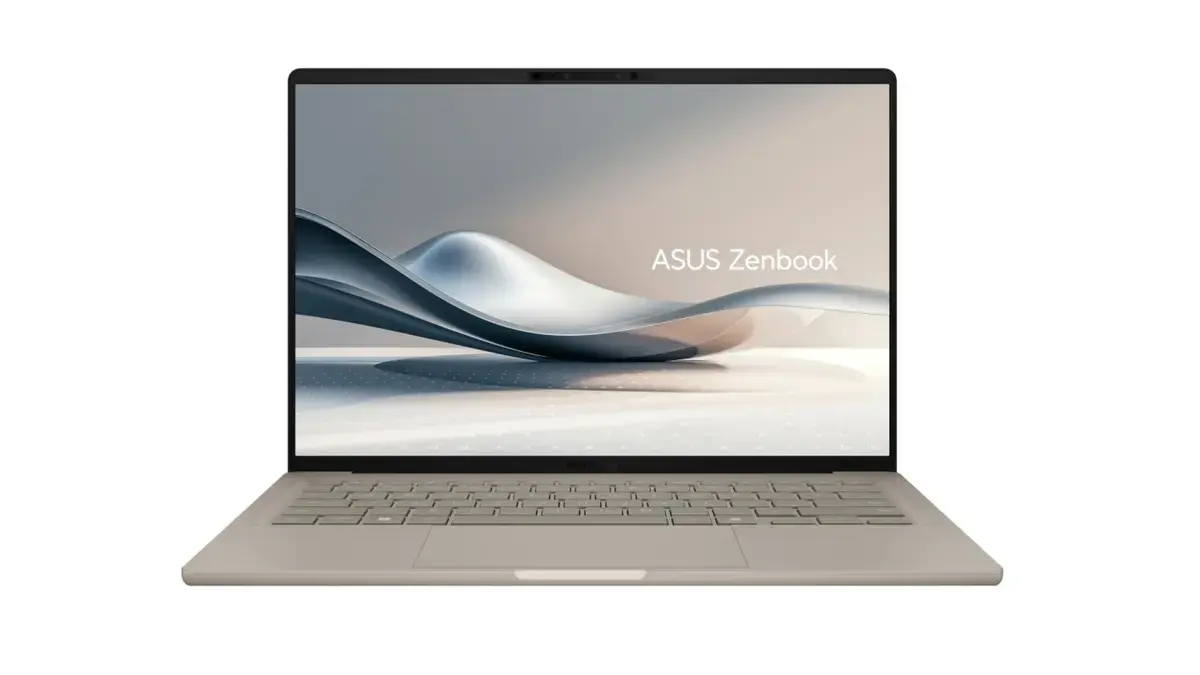
This integration extends beyond simple laptop configurations. It encompasses high-performance sectors such as medical imaging, smart surveillance, and industrial automation. The optimization ensures that the high AI processing capacity of the Hexagon NPU is fully accessible to software applications without being hindered by hardware-level inefficiencies. By smoothing the interaction between the Oryon processor and the underlying firmware, the partnership maximizes the computational throughput required for modern AI workloads.
Technical Advantages Strengthen the Ecosystem
The collaboration between these two industry leaders delivers several concrete technical benefits for both device manufacturers and end users. Security remains a primary focus, as the integration incorporates NIST SP 800-193 standards, ensuring that hardware-based verification mechanisms are active during the initial boot sequence. This establishes a robust root of trust that is essential for enterprise-grade computing.
Furthermore, the partnership optimizes power and thermal management. By allowing the BIOS to dynamically manage the power profiles of LPDDR5X memory and the multi-core Oryon architecture, devices achieve better battery life and improved thermal efficiency. This level of granular control is vital for thin-and-light laptop designs that prioritize portability without sacrificing performance.
Market Competition Increases for AI Computers
Qualcomm understands that success in the AI PC market requires more than just high-performance silicon; it necessitates a comprehensive software and firmware ecosystem. The involvement of a global firmware expert like Insyde Software helps bridge the gap for Arm-based systems seeking wider adoption in corporate environments. As Windows and Linux platforms evolve to take advantage of AI acceleration, having a stable and optimized firmware layer becomes a competitive necessity.
This partnership ensures that the next generation of Copilot+ PCs will offer a more consistent user experience. As manufacturers begin to ship devices featuring these optimized firmware solutions, the gap between traditional x86 performance and Arm-based efficiency will continue to narrow, fostering a more diverse and capable computer hardware market.
How do you think these firmware-level optimizations will impact the overall performance and reliability of the next wave of AI-powered laptops? Share your thoughts and expectations regarding the shift toward Arm-based computing in the comments section below.
Your comment has been submitted,
it will be published after approval.