
Vladimir Putin Seen Using Unlicensed Windows 10 During Election

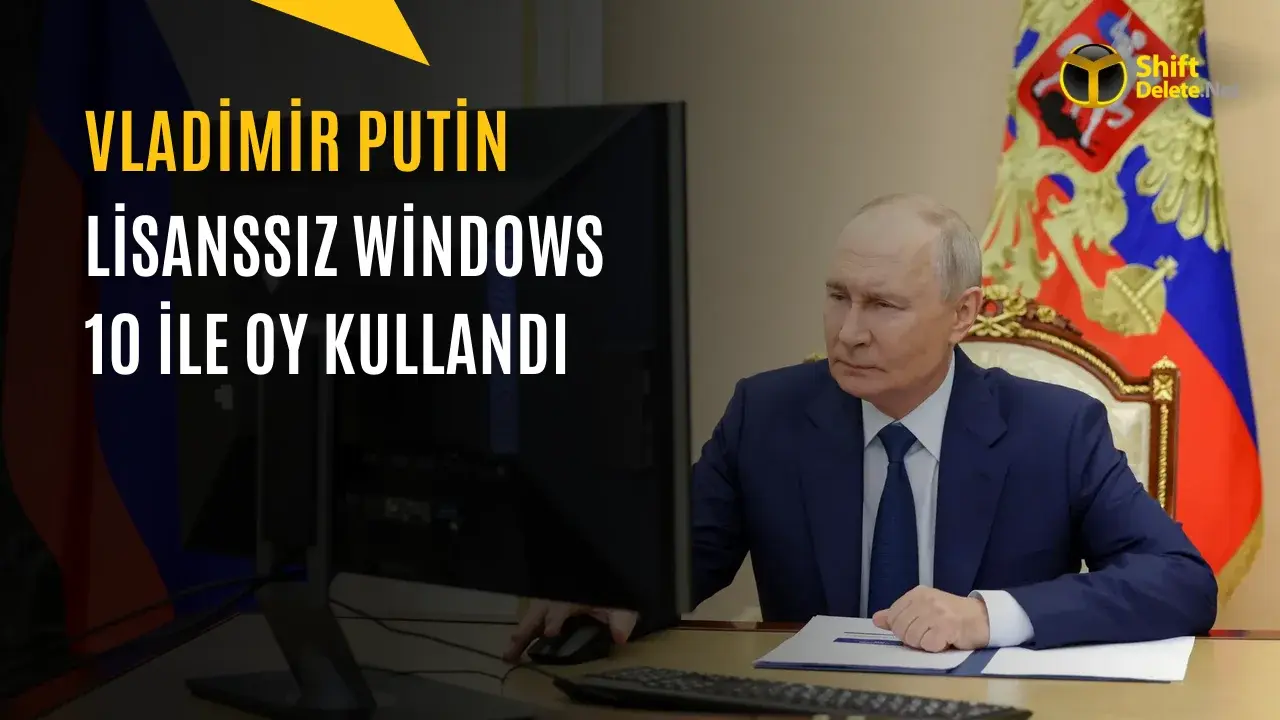
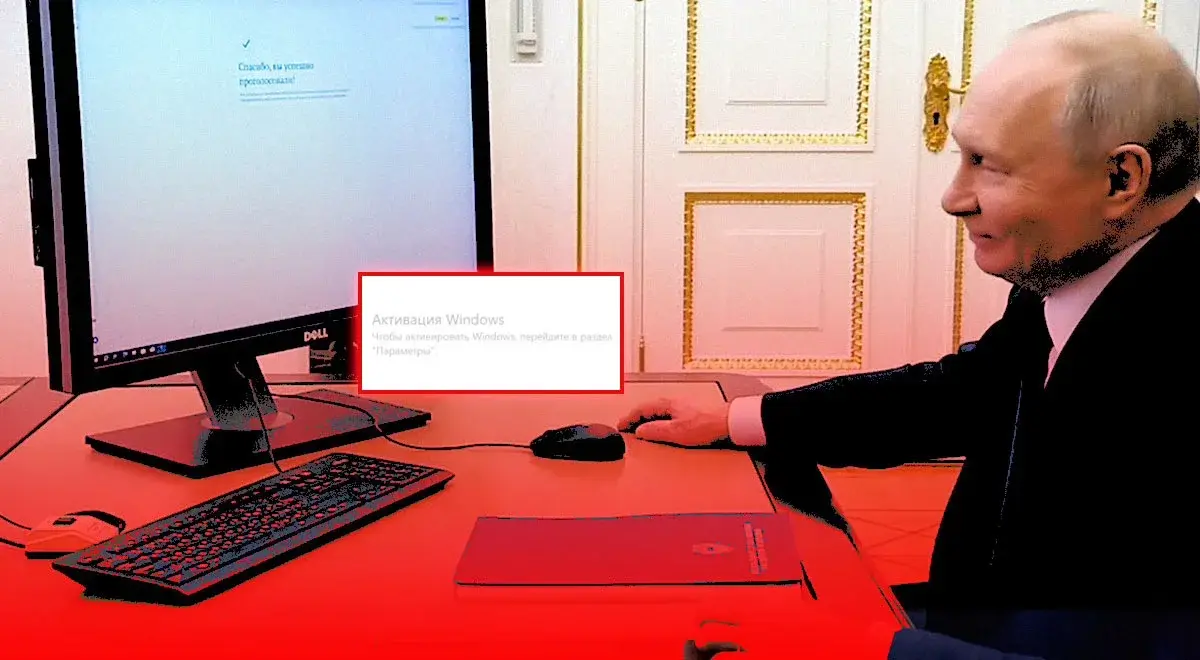
During the recent parliamentary elections in Russia on September 18, 2026, President Vladimir Putin participated in a promotional event to encourage citizens to utilize the new online voting system. However, the footage released by the Kremlin garnered unexpected attention for technical reasons rather than political messaging. Close inspection of the video shows that the computer used by the 73-year-old leader was running an unlicensed, unactivated version of Windows 10. This technical oversight occurred while the head of state was publicly demonstrating the digital infrastructure designed for national voting, sparking a wave of discussion regarding software compliance and cybersecurity practices within the Russian state apparatus.
- President Vladimir Putin was observed using a PC running an unactivated version of Windows 10 during an official online voting demonstration.
- The use of a Western-manufactured Dell computer contradicts official Russian policies favoring domestic technology brands like Aquarius.
- International governments condemned the inclusion of occupied Ukrainian territories in the Russian parliamentary election process.
Technical Discrepancies Raise Questions About State Standards
The choice of hardware also surprised many industry observers. Despite Russia’s ongoing push for import substitution and the prioritization of domestic brands, the President utilized a Dell device instead of a Russian-made unit. This decision creates a noticeable contradiction between the state’s stringent requirements for government officials and the reality of the equipment seen in the presidential office. Experts suggest that while sensitive state infrastructure is likely maintained with high security, this specific device may have been hastily prepared for the promotional broadcast without regard for software licensing or hardware origin.
Election Legitimacy Faces Widespread International Criticism
Beyond the technical glitches, the electoral process itself faced significant backlash from the international community. Several nations, including Australia, Canada, Norway, and the United Kingdom, issued statements denouncing the decision to hold polls in occupied regions of Ukraine. These governments argue that such actions represent a direct violation of international law and undermine the sovereignty of the Ukrainian state. The United Nations Charter remains a focal point for these diplomatic disputes, as global leaders emphasize that the integration of these territories into the Russian electoral system is legally invalid.
Social Media Reactions Highlight Security Concerns
The intersection of a world leader using unauthorized software on foreign hardware provided ample fuel for social media discourse. Internet users quickly turned the incident into a series of memes, focusing on the irony of a state leader operating a computer that lacks a legitimate software license. While some dismiss the incident as a minor technical oversight during a rushed production, others argue it reflects a broader lack of rigor in managing digital assets. The incident has left many questioning the consistency of the state’s technological policies when even the highest levels of government appear to bypass standard software licensing protocols.
Given the high-profile nature of this promotional video, do you believe the use of unlicensed software and foreign hardware undermines the government’s message on national digital security? Share your thoughts in the comments section below.
Your comment has been submitted,
it will be published after approval.