
GDDR7 VRAM Capacities Will Surge by 2028

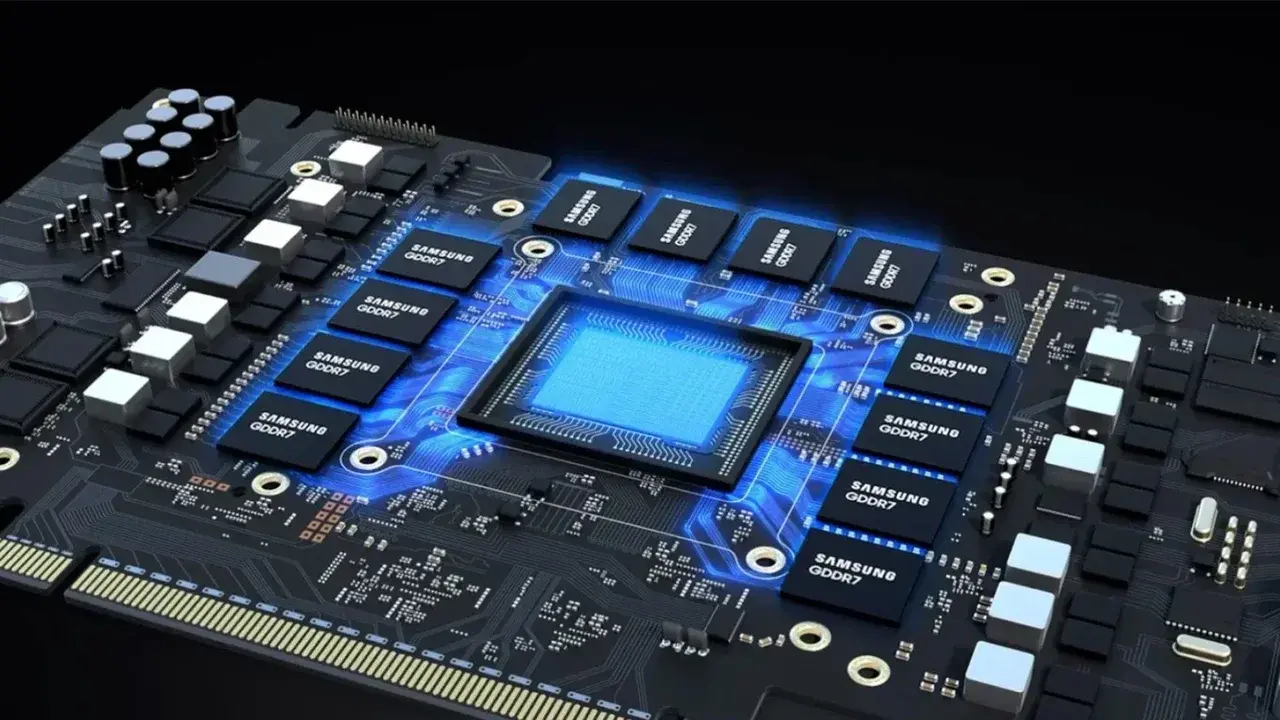
A major transformation is approaching the graphics card industry as memory manufacturers prepare to significantly increase GDDR7 VRAM capacities. Industry reports indicate that by 2027 or 2028, leading producers are expected to introduce new memory modules featuring 4 GB and 6 GB densities per chip. Currently, most GDDR7 solutions utilize 2 GB modules, which serve as the industry standard. This upcoming shift will allow hardware engineers to dramatically expand total video memory amounts without necessitating complex changes to existing memory bus widths, providing a substantial boost to performance capabilities for next-generation consumer and professional graphics hardware.
- Manufacturers plan to release 4 GB and 6 GB GDDR7 memory modules between 2027 and 2028.
- The increased density allows for doubling or tripling total VRAM without altering memory bus architecture.
- New memory capacities could influence the design of future GPU architectures such as NVIDIA’s rumored Rubin series.
- High production costs for advanced memory modules remain the primary barrier to immediate widespread implementation.
New Hardware Standards are Being Developed
Leaked information from industry insiders, including reports attributed to Golden Pig Upgrade, suggests that major players like Samsung, SK hynix, and Micron are actively working on high-density GDDR7 chips. While official product announcements are still pending, the progression from the current 2 GB standard is already underway. SK hynix has already showcased 3 GB GDDR7 modules, signaling a clear departure from traditional limitations.

This evolution is critical for future GPU designs, as it allows a card with a 128-bit bus, which currently tops out at 8 GB of VRAM using 2 GB chips, to theoretically support 16 GB with 4 GB modules or even 24 GB with 6 GB modules.
Design Flexibility Will Increase Significantly
The implementation of these high-capacity chips provides GPU designers with unprecedented flexibility. By utilizing 4 GB or 6 GB chips, manufacturers can scale memory amounts based on the target market segment. For instance, mid-range cards could potentially feature up to 32 GB of VRAM if they utilize a 256-bit bus, drastically improving performance for memory-intensive tasks like AI processing and high-resolution rendering. However, these advancements are contingent upon the memory controller’s capability and the overall thermal design of the graphics card.
Economic Factors Will Influence Adoption
Despite the technical promise, the transition remains tied to market dynamics. The cost of producing 3 GB GDDR7 chips is already higher than that of 2 GB variants, which has reportedly caused shifts in upcoming product roadmaps, including potential delays or cancellations of specific GeForce RTX 50-series models. As manufacturers look toward the launch of future architectures like the RTX 60 series, the balance between total memory capacity and production cost will dictate how quickly these 4 GB and 6 GB modules reach the consumer market. Industry analysts continue to monitor how these supply chain challenges will shape the pricing strategy for next-gen graphics cards.
Given the rapid evolution of memory technology, we are curious to hear your perspective on this trend: Do you believe that doubling VRAM capacities is the most important feature for future graphics cards, or should manufacturers focus more on lowering the overall cost for consumers? Share your thoughts in the comments section below.
Your comment has been submitted,
it will be published after approval.