
Alibaba Unveils Powerful Zhenwu V900 AI Chip to Challenge Nvidia

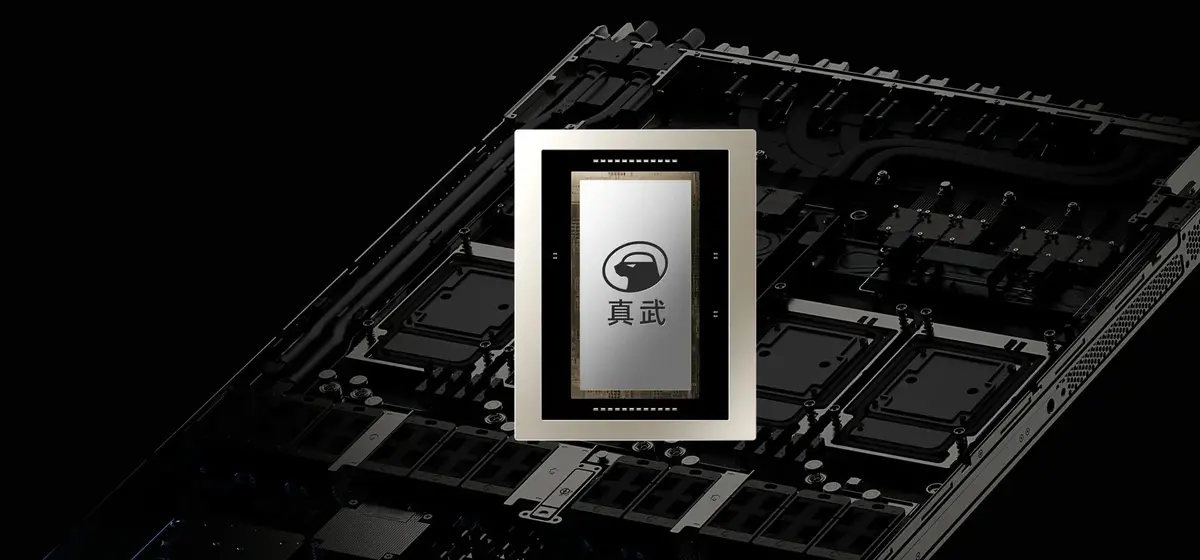
Alibaba has officially unveiled its next-generation artificial intelligence accelerator, the Zhenwu V900, marking a significant advancement in China’s pursuit of high-performance computing autonomy. Developed by the company’s semiconductor division, T-Head, the new processor offers three times the performance of its predecessor, the Zhenwu M890. Designed specifically to handle the rigorous demands of both large-scale AI model training and complex inference tasks, the V900 integrates advanced memory and high-speed interconnect capabilities. This launch arrives amidst ongoing international export restrictions, positioning Alibaba as a critical player in the domestic development of AI infrastructure intended to compete directly with global leaders like Nvidia.
- The Zhenwu V900 processor provides triple the performance capability compared to the previous M890 generation.
- Alibaba’s new infrastructure supports massive cluster configurations reaching up to 500,000 interconnected chips.
- The hardware ecosystem integrates proprietary ICN switches, Panmai SmartNIC cards, and Zhenyue SSD controllers for optimized performance.
- Mass production of the new AI accelerator is scheduled to commence in the first quarter of 2027.
Technical Specifications are Enhanced for Scalability
The Zhenwu V900 is engineered with 216 GB of dedicated GPU memory and features an inter-chip connection bandwidth of 1,200 GB/s. These specifications represent a substantial upgrade over the M890, which was capped at 144 GB of memory and 800 GB/s of bandwidth. The system is designed to support a variety of data precision formats, including FP8 and FP4, which are crucial for modern deep learning workflows.
Beyond individual chip performance, the V900’s architecture enables the creation of massive super-node clusters. While previous systems were limited to 128-chip configurations, the new infrastructure supports the operation of over 1,000 accelerators within a single unit. In its most expansive form, Alibaba’s super-node system can scale to 500,000 V900 cards, creating a unified environment where storage, networking, and computational power are tightly optimized.
Market Competition is Expected to Intensify
The introduction of the V900 places Alibaba in direct competition with other domestic giants, such as Huawei, which is preparing its Ascend 960PR accelerator for a 2027 release. Although direct performance comparisons remain difficult due to undisclosed FLOPS metrics for the V900, the market is closely watching how these domestic solutions will influence the broader AI landscape. Alibaba has successfully accelerated its internal roadmap, moving the V900 launch window forward by several months.
The company’s hardware strategy is deeply intertwined with the development of its Qwen large language models. With the current Qwen3.8-Max model demonstrating success in iterative training cycles, Alibaba is already preparing for the future release of the Qwen 4.5 and Qwen 5 series. These models are expected to scale between 5 and 10 trillion parameters, further solidifying the necessity for high-performance domestic silicon.
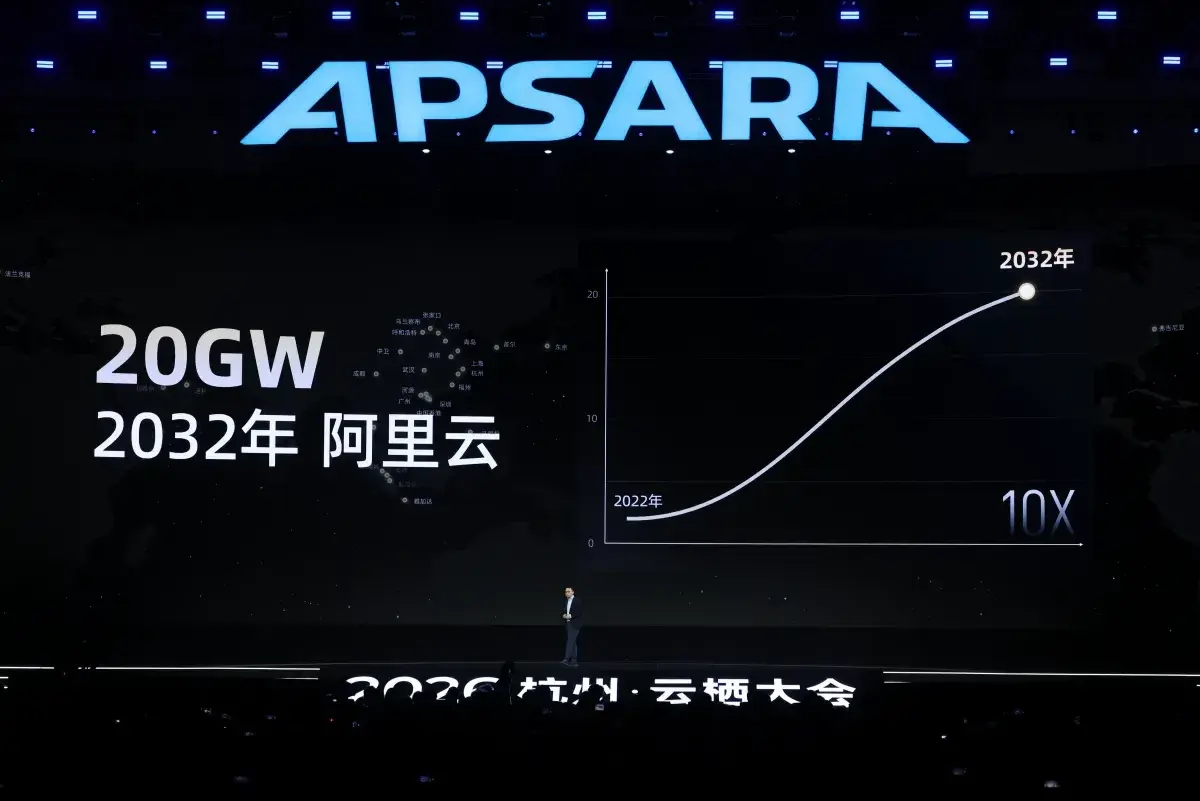
As Alibaba continues to expand its global data center capacity, it faces the challenge of global supply constraints on AI infrastructure. With plans to exceed 20 GW of capacity by 2032, the company remains focused on overcoming hardware bottlenecks through vertical integration and domestic chip production. The debut of the V900 coincides with critical diplomatic discussions regarding AI safety and technology governance between global powers, underscoring the strategic importance of this technological achievement.
We are curious to hear your perspective on this development; do you believe Alibaba’s new Zhenwu V900 chip possesses the necessary capabilities to effectively reshape the competitive dynamics of the global artificial intelligence market?
Your comment has been submitted,
it will be published after approval.