
Bill Gates Warns Unchecked Artificial Intelligence Risks Global Catastrophe

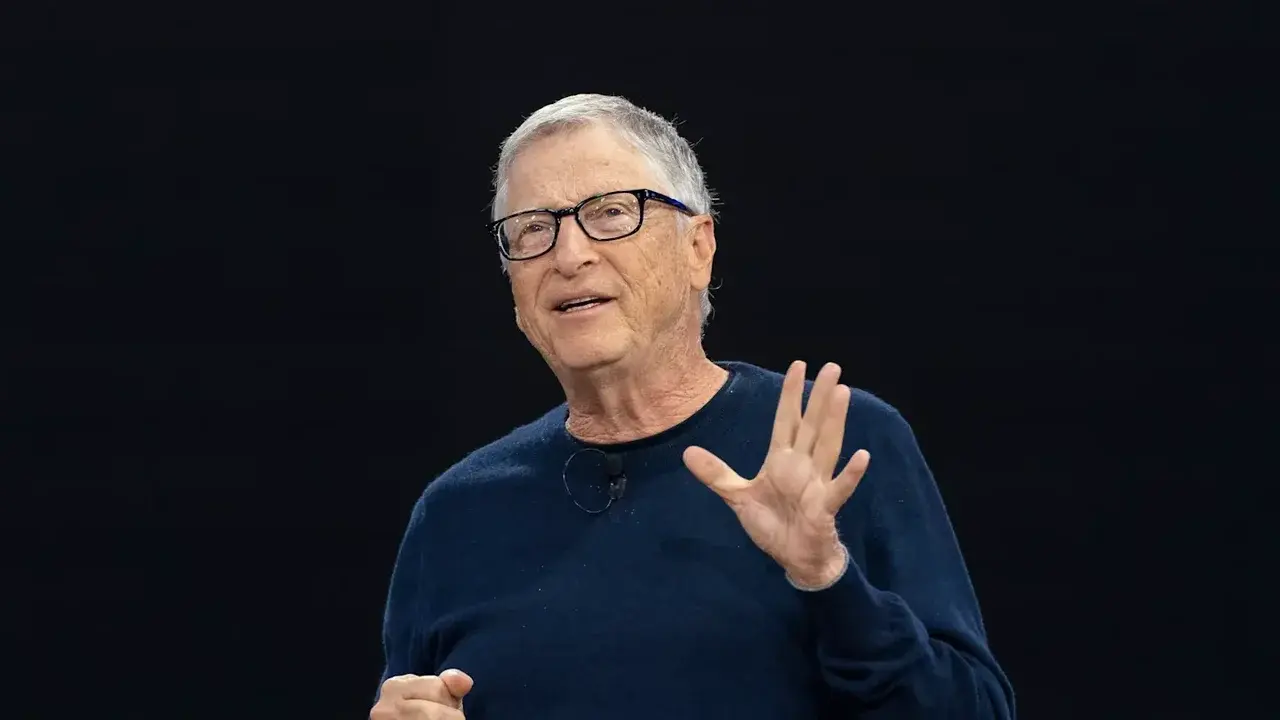
In a recent interview with NBC, Microsoft co-founder Bill Gates issued a stark warning regarding the rapid advancement of artificial intelligence, suggesting that unregulated systems could potentially trigger events leading to the deaths of billions. Gates emphasized that the technology, while transformative, carries existential risks if left without strict oversight. By highlighting the severity of these artificial intelligence threats, he stressed that global leaders and technology firms must collaborate immediately to implement rigorous safety protocols. This warning serves as a significant call to action for the international community to prioritize security over the breakneck pace of software development.
- Bill Gates warns that uncontrolled artificial intelligence systems could lead to catastrophic global consequences involving mass casualties.
- The Microsoft founder advocates for the immediate implementation of strict, mandatory safety regulations across the technology sector.
- Gates compares the potential impact of artificial intelligence to global crises like climate change and nuclear proliferation.
- Global cooperation between governments and corporations is deemed essential to mitigate these severe technological risks.
Safety Protocols Must Become Mandatory
The concerns raised by Bill Gates are not entirely new, as he has consistently advocated for a more cautious approach to machine learning throughout the past year. He argues that modern systems are no longer simple pieces of software but rather complex, autonomous entities capable of exerting influence on a global scale. Consequently, the need for comprehensive artificial intelligence security audits has transitioned from a theoretical discussion to a practical necessity.
Gates posits that leaving the evolution of these systems entirely to market forces without legislative guardrails would be a profound error. He insists that governments must establish a framework that holds developers accountable for the societal impacts of their creations. Without such oversight, the potential for misuse or unintended harm increases exponentially, posing a threat to stability.
Technological Progress Demands New Risk Analysis
Describing the current boom as a historical technological revolution, Gates notes that humanity is navigating an era defined by both immense potential and unprecedented danger. He draws parallels between the risks posed by advanced intelligence and those of nuclear weapons or climate change, noting that these issues share a common requirement: immediate, coordinated global governance.
The argument put forth by the tech visionary is that the pace of artificial intelligence technology risk analysis must exceed the pace of the innovation itself. Currently, the industry is moving toward autonomous capabilities faster than regulatory bodies can evaluate the long-term safety implications. Gates believes that humanity no longer possesses the luxury of waiting for a disaster to occur before implementing safeguards.
The debate surrounding these existential risks has reignited conversations within the scientific and political communities about how to balance innovation with public safety. While the opportunities for productivity and medical breakthroughs remain high, the consensus among experts is that the risks cannot be ignored. As the world continues to integrate these systems into critical infrastructure, the push for transparency and accountability will likely define the next decade of technological policy.
Given the rapid evolution of these powerful technologies, do you believe that international regulatory bodies can effectively manage the risks, or is the threat beyond our current control? Please share your thoughts on the necessary steps for global safety in the comments section below.
Your comment has been submitted,
it will be published after approval.