
European Electric Truck Charging Demand Will Double by 2045

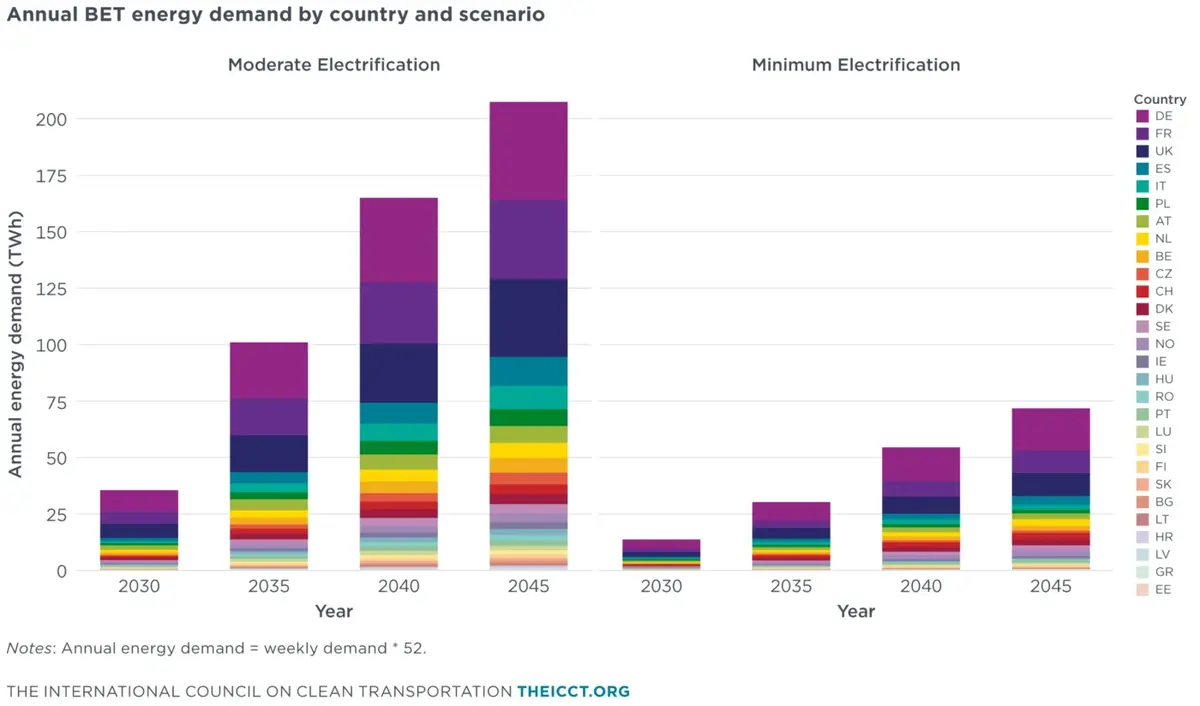
A new research report jointly published by Fraunhofer ISI and the ICCT reveals that the rapid electrification of heavy-duty vehicles in Europe will cause the demand for electric truck charging to skyrocket over the next two decades. According to the study, the annual electricity consumption for these vehicles is projected to reach 100 TWh by 2035 and climb to over 200 TWh by 2045. This significant surge in energy requirements poses a major challenge for existing power grids, necessitating urgent infrastructure upgrades across key logistics hubs and major transport corridors to support the transition to sustainable freight shipping.
- Annual electricity demand for European electric trucks is expected to surge from 100 TWh in 2035 to 200 TWh by 2045.
- Logistics depots will facilitate between 70 and 80 percent of all charging operations for heavy-duty electric vehicles.
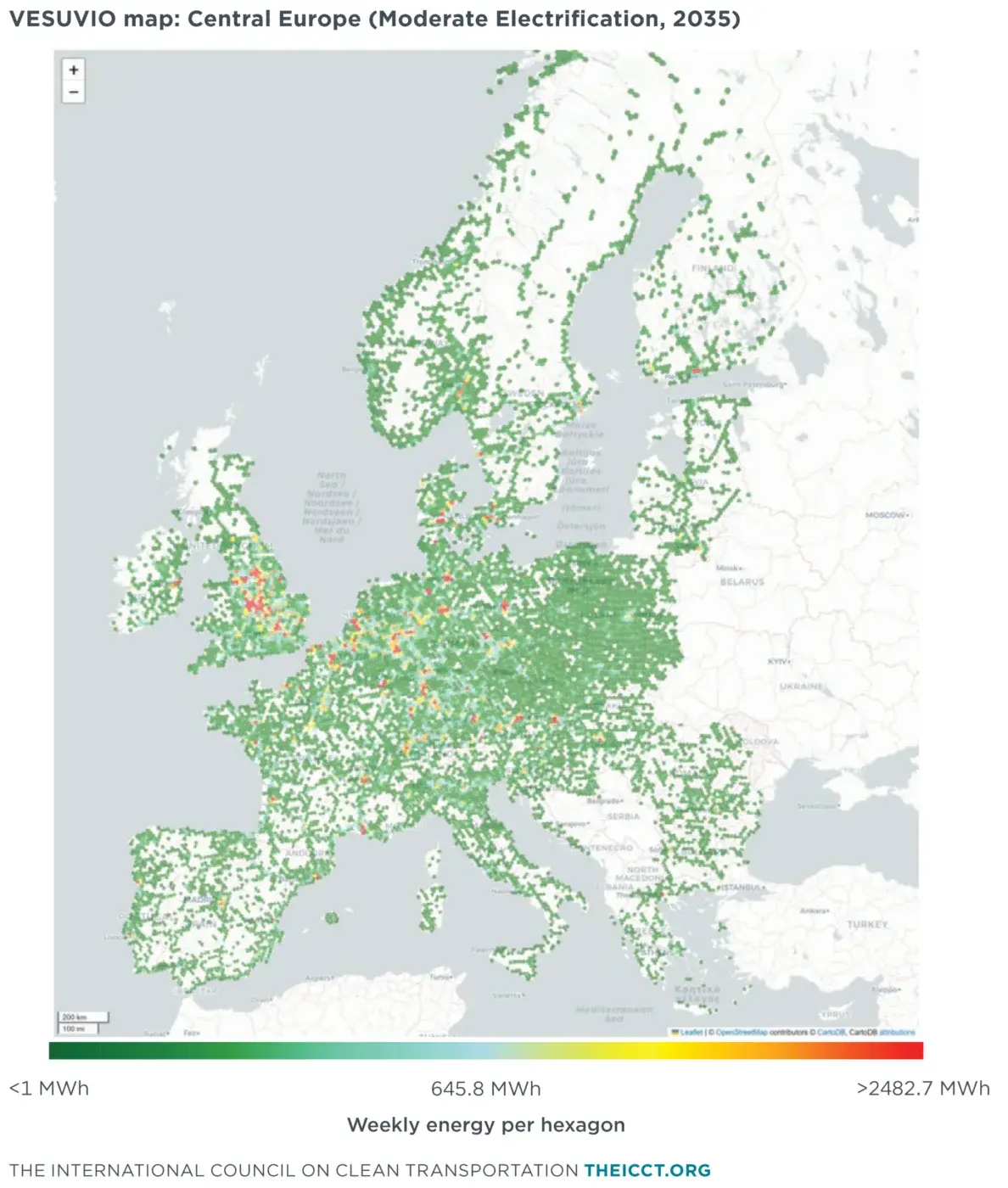
- Major transit countries like Germany, France, and the UK must prepare for peak power demands ranging from 20 to 50 MW in specific regions.
- Industry leaders are integrating battery storage systems to mitigate grid strain during high-power charging sessions.
Logistics Centers Form the Backbone of Charging Infrastructure
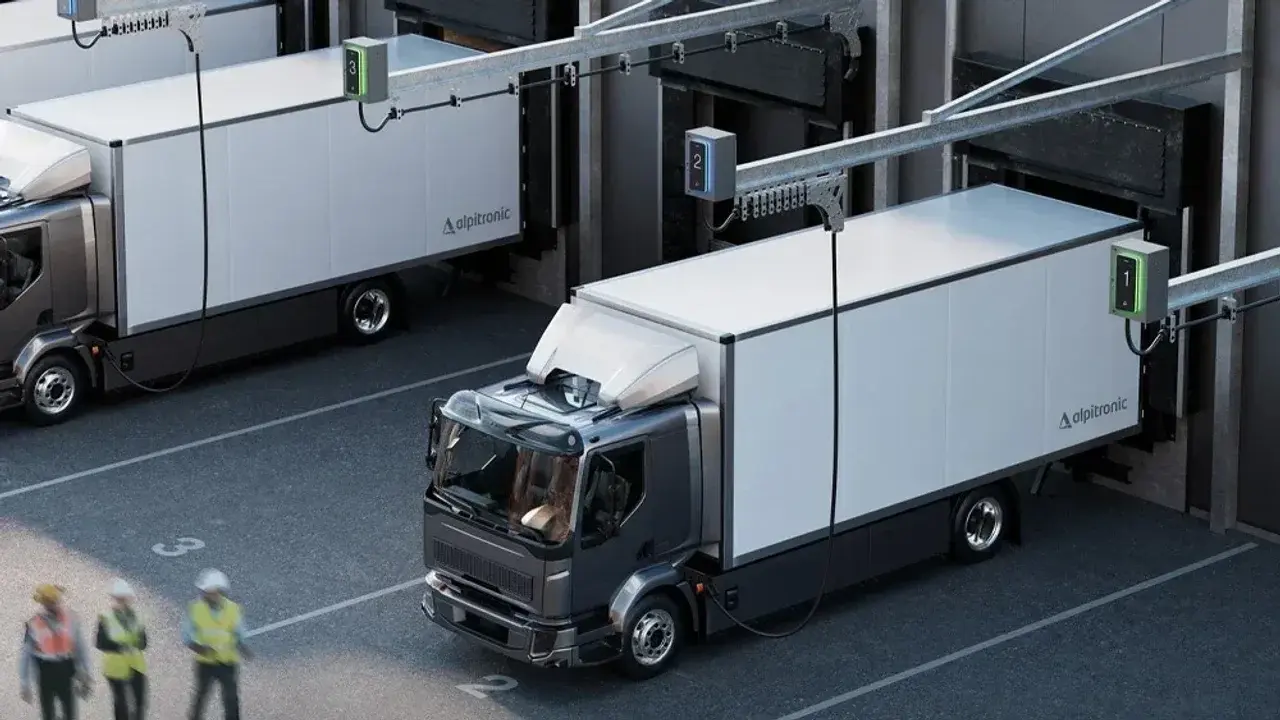
The research emphasizes that the majority of charging requirements will be satisfied at private logistics facilities rather than public stations. Because approximately 70 to 80 percent of truck charging is expected to occur at depots during loading or overnight parking, these sites must serve as the foundation of the charging network. However, public infrastructure remains a critical component for long-haul operations, particularly in smaller transit nations where public charging could account for up to 50 percent of total energy demand.
This uneven distribution of demand creates localized pressure on electricity grids. In high-density transport markets, planners anticipate that some regions will experience instantaneous power requirements of up to 50 MW. Effectively managing these loads requires advanced energy management systems that can intelligently balance consumption during peak traffic hours.
Germany Leads the Expansion of Public Charging Networks
To accommodate this growing demand, Germany is spearheading efforts to install thousands of high-power charging points along its motorway rest areas by 2035. The government-backed initiative targets the installation of 1,800 Megawatt Charging System (MCS) points alongside 2,400 Combined Charging System (CCS) connectors. These facilities are designed to be modular, allowing for future expansions as the number of electric heavy-duty vehicles increases on the road.
Private sector stakeholders are also investing heavily in primary transport corridors. Strategic joint ventures, such as Milence—a partnership between Daimler Truck, Traton, and the Volvo Group—are currently operating approximately 40 dedicated charging parks across Europe. The company plans to increase this footprint to 70 locations by the end of 2027. To ensure reliability and reduce the burden on local distribution grids, some of these facilities utilize stationary battery energy storage systems, which allow for the delivery of high-speed charging without requiring massive immediate grid upgrades.
As the logistics sector transitions toward a carbon-neutral future, what do you believe is the biggest hurdle for widespread electric truck adoption across Europe? Share your thoughts in the comments section below.
Your comment has been submitted,
it will be published after approval.