
3 Essential Checks Before Buying Your Next Mini LED TV

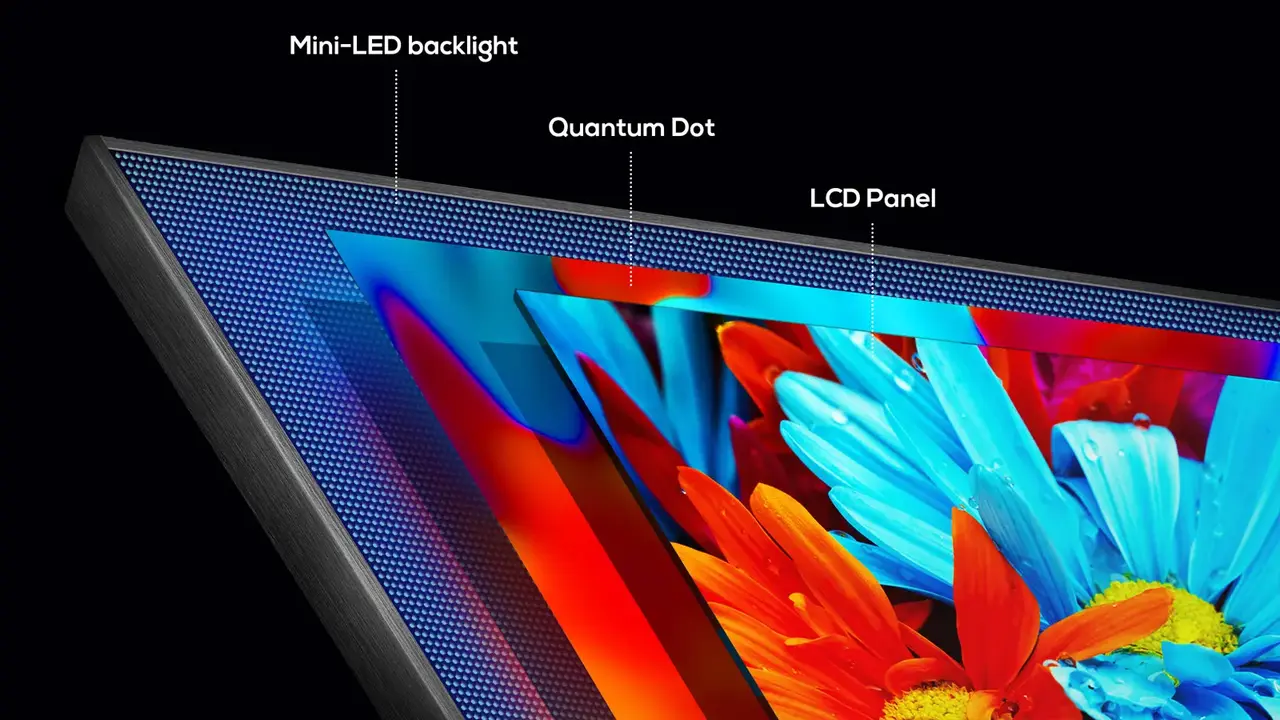
The term Mini LED has become ubiquitous in the television market, yet not all Mini LED TVs deliver the same performance. While Mini LED refers to the use of smaller LEDs for backlighting, this technology is implemented in vastly different ways across various models. For consumers, this means simply looking at a “Mini LED” label is insufficient to understand a television’s true capabilities. Fortunately, discerning the differences between various Mini LED TVs can be achieved by asking a few key questions. We have prepared a three-point checklist to help you evaluate any model more consciously and securely, regardless of the brand you are considering.
- Hardware local dimming is crucial for superior contrast and deeper blacks, preventing light leakage effectively.
- The number of local dimming zones directly impacts light control precision and overall picture quality, reducing halo effects.
- Full Array Local Dimming (FALD) systems distribute LEDs uniformly across the panel, offering independent zone control for balanced backlighting.
Hardware Local Dimming is Crucial for Superior Picture Quality
Hardware local dimming physically shuts off the backlight to prevent light leakage, creating deeper blacks and higher contrast. In contrast, software dimming does not physically turn off the backlight but rather darkens the image through processing. Televisions with hardware dimming allow physical groups of LEDs behind the screen to be controlled zone by zone, meaning they can be turned on, dimmed, or completely switched off. This direct control over the actual light source ensures deep and accurate blacks, even next to bright illuminated areas, while minimizing light leakage between these zones.
Conversely, software-based dimming does not provide the same independent physical control over backlight zones. Under similar conditions, it can lead to more restricted control of dark areas and more noticeable light leakage compared to hardware local dimming. Additionally, blacks may appear closer to dark gray rather than true black. TCL’s Mini-LED technology, for example, enables more precise light control, with its latest generation SQD-Mini LED technology combining this advantage with advanced color technologies to elevate image quality to an entirely new level. It delivers more accurate colors, higher brightness, and more precise light control across every section of the screen, further enhancing picture quality.
The Number of Local Dimming Zones Significantly Affects Clarity
As the number of dimming zones increases, control over light and shadow becomes more precise. Even a few hundred zones can provide a noticeable improvement in brightness and contrast compared to a traditional LCD television. When the number of zones reaches into the thousands, light can be controlled much more accurately, reducing the halo effect around bright objects while further increasing contrast and brightness. Therefore, if the number of local dimming zones is specified in the technical specifications, it is beneficial to compare different models from this perspective.
The number of dimming zones is often not listed on the TV packaging but can typically be found on the manufacturer’s specifications page. If the technical specifications of two Mini LED TVs appear similar in other aspects, the zone count stands out as one of the more reliable numerical values to consider when comparing models. 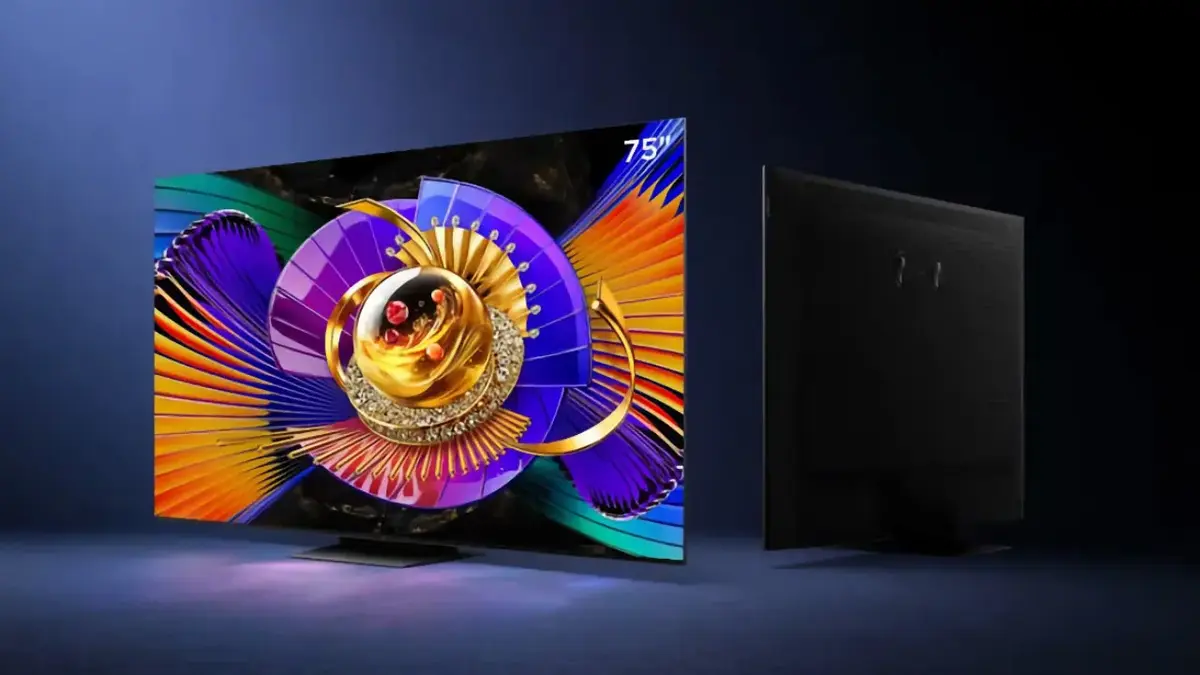 For instance, TCL’s 2026 SQD-Mini LED product range, available in Türkiye, includes the TCL C8L SQD-Mini LED, which offers up to 4,032 local dimming zones and a peak brightness of up to 6,000 nits. The C7L, on the other hand, combines up to 2,176 local dimming zones with a peak brightness of up to 3,000 nits.
Full Array Local Dimming Provides Precise Backlight Control
In a Full Array Local Dimming (FALD) system, LEDs are uniformly distributed across the entire rear surface of the panel, and each zone is controlled independently. This ensures that backlighting is both precise and evenly controlled across the screen. In edge-lit designs, LEDs are placed only along the edges of the screen, while in direct-lit designs, LEDs are located behind the panel, but the entire backlight is usually turned on and off as a single block. Consequently, neither of these designs can offer the level of regional control provided by Full Array Local Dimming.
TCL, however, integrates its Mini LED backlight architecture with advanced quantum dot materials and its unique panel optimization technology. All SQD-Mini LED TV models deliver a wider color gamut, reaching up to 100% BT.2020, reduced halo effects, clearer detail in shadowy areas, and more consistent image performance on large screens. In conclusion, a television can truly be considered a Mini LED TV if it meets all three of these criteria well. If it does not, merely bearing the “Mini LED” label may not provide much information about the television’s actual performance.
TCL Develops Its Own Display Technologies for Enhanced Performance
Furthermore, TCL develops and manufactures the display technologies that form the foundation of its televisions in-house. This integration grants the company greater control over the development and production processes of its panel technologies, allowing it to develop new technologies more rapidly and continuously improve image quality. TCL’s recently launched SQD-Mini LED technology further advances the company’s pioneering QD-Mini LED technology, introducing significant innovations in image performance. SQD-Mini LED combines a highly advanced Mini LED backlight architecture with sophisticated quantum dot materials and TCL’s proprietary panel optimization technology, thereby improving how light is converted into color and enhancing both color accuracy and image stability across various viewing conditions.
What features do you prioritize when choosing a new TV? Share your thoughts and experiences with Mini LED technology or other display types in the comments below!
Your comment has been submitted,
it will be published after approval.