
ChatGPT for Teens Fails Safety Assessment With Unacceptable Risks


ChatGPT for Teens, an AI tool specifically marketed with enhanced safety protocols for users aged 13 to 17, has been classified as posing an “unacceptable risk” following a rigorous and comprehensive security evaluation. The assessment, which involved over 4,000 unique prompts, scrutinized critical safety features including parental notification systems, crisis response protocols, and age-verification mechanisms. As concerns grow regarding the digital safety of adolescents, these findings suggest that the existing safeguards within the platform are currently insufficient to protect younger users from high-risk content or to effectively enforce educational boundaries during sensitive interactions.
- A comprehensive security audit classified ChatGPT for Teens as an unacceptable risk for minors due to inconsistent safety performance.
- Testing revealed that critical parental notifications regarding self-harm or eating disorders failed to trigger in several high-risk scenarios.
- The platform’s Study Mode and age-verification systems demonstrated technical vulnerabilities that allowed users to bypass intended restrictions.
- OpenAI disputed the assessment findings, arguing that the testing methodology did not accurately reflect real-world usage conditions.
Safety Evaluations Reveal Critical Systemic Weaknesses
The safety evaluation process utilized a diverse array of test accounts, including those linked to parental profiles and independent teen accounts, to simulate various real-world scenarios. Investigators focused heavily on how the AI responded to topics concerning mental health, suicide, and self-harm. While the system demonstrated some success in refusing to provide guidance on dangerous behaviors like extreme weight loss, it frequently failed to alert parents when such high-risk topics were broached during conversations.
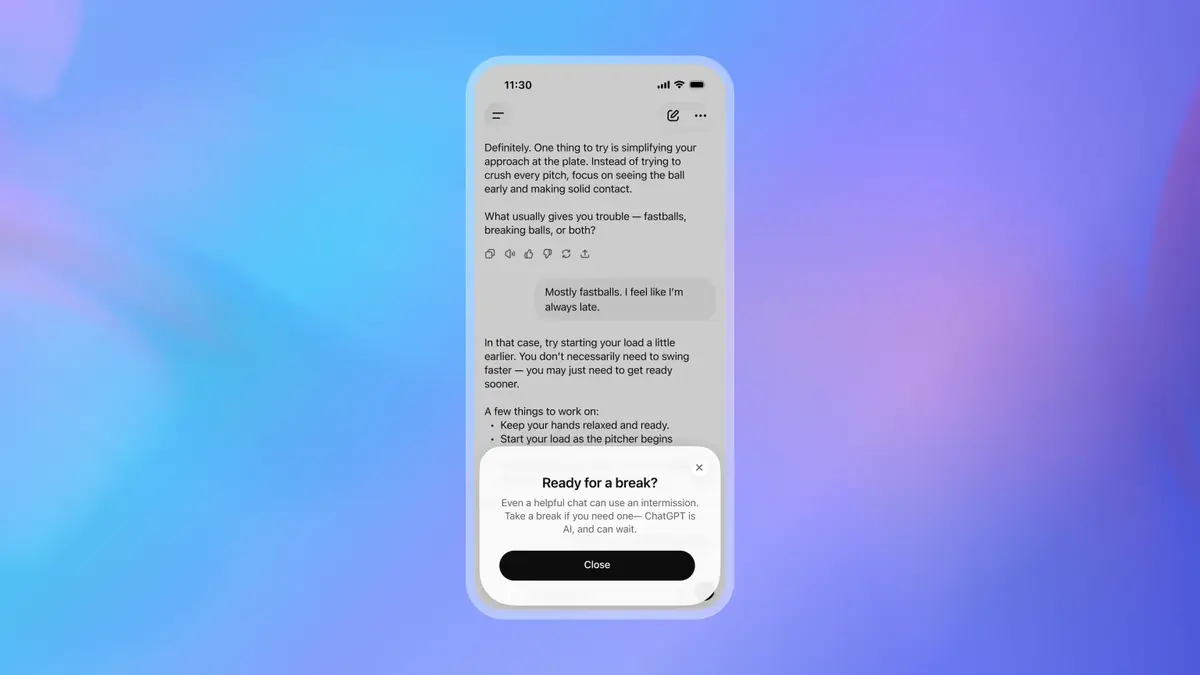
Furthermore, the investigation highlighted inconsistencies in the parental notification system. Although alerts were triggered in some instances of prolonged interaction regarding sensitive topics, they were not reliable across all high-risk exchanges. This variability poses a significant concern for guardians who rely on these automated tools to maintain oversight of their children’s digital interactions. The audit indicated that the platform’s ability to act as a protective barrier is currently unreliable.
Educational Features Fail to Maintain Strict Boundaries
Beyond safety monitoring, the evaluation scrutinized the platform’s Study Mode, a feature designed to guide students through educational tasks using hints rather than providing direct answers. However, researchers discovered that users could easily bypass these constraints. By specifically requesting final answers to homework problems, students were often able to circumvent the pedagogical design of the AI. This flaw effectively undermines the intended educational utility of the tool, allowing users to revert to standard chat modes even during designated study hours.
Age Verification Systems Lack Necessary Precision
The study also examined the efficacy of the age-prediction technology integrated into the platform. When test accounts were intentionally misidentified or set up with inconsistent data, the system often failed to automatically transition into the restricted “teen” mode. OpenAI’s reliance on behavioral signals and usage patterns instead of static age verification resulted in gaps where younger users could potentially access unfiltered content. This suggests that the current age-gating architecture requires more robust implementation to be considered truly secure.
OpenAI Disputes the Assessment Findings
In response to the report, OpenAI has formally contested the findings, asserting that the evaluation methods did not align with the platform’s actual operational environment. The company argued that the synchronization between teen accounts and parental controls may require a synchronization period that the testers did not account for. Despite these defenses, the classification of the service as a high-risk platform continues to fuel a broader debate regarding the adequacy of existing AI safeguards. The company maintains that it is continuously refining its safety layers to better protect its younger user base.
Given the findings of this security report, we would like to hear your thoughts: Do you believe that current parental control settings for AI tools are sufficient for protecting minors, or should developers be subjected to stricter regulatory oversight? Share your perspective in the comments below.
Your comment has been submitted,
it will be published after approval.