
Huawei Mate 90 Series Sells 270,000 Units in Four Days

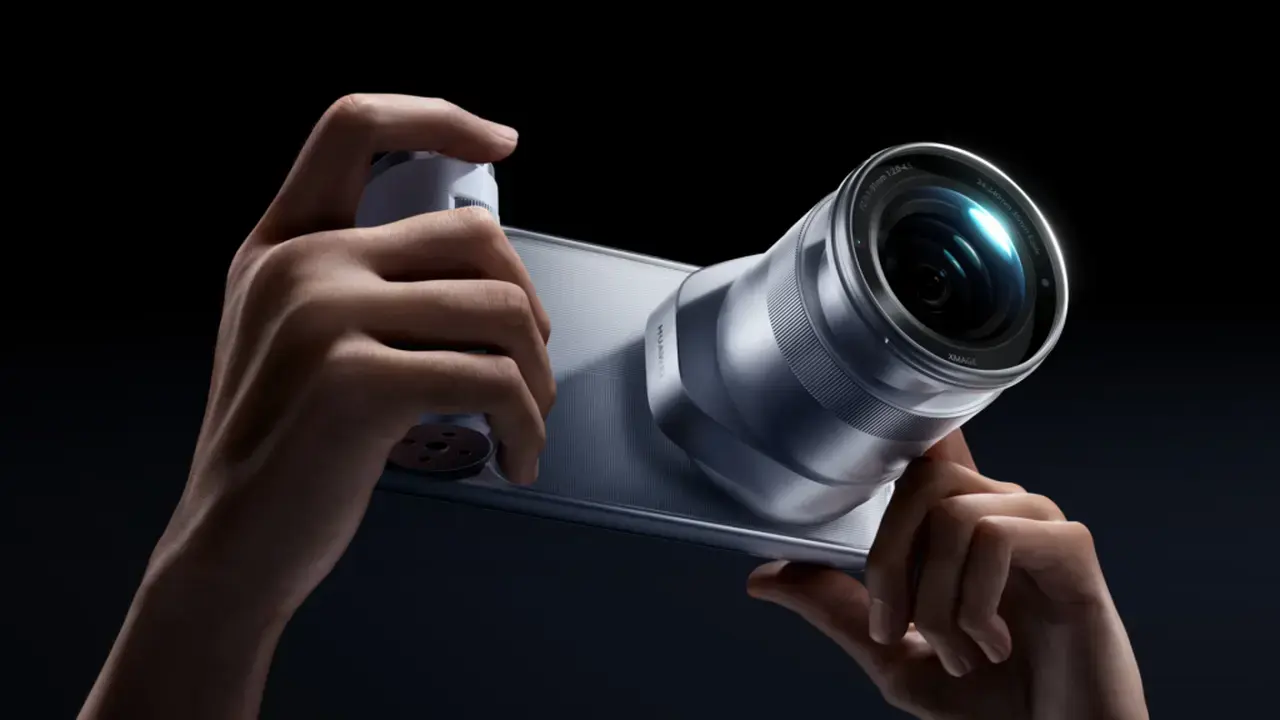
Huawei’s latest flagship lineup, the Huawei Mate 90 series, has achieved a massive sales milestone within its first four days of availability in the Chinese market. Launched last week, the series quickly captured the attention of local consumers, resulting in more than 270,000 units being sold. This rapid adoption highlights Huawei’s enduring dominance in its home region and the high anticipation surrounding its proprietary hardware innovations. By offering a range of models tailored to different performance needs, the tech giant has successfully reasserted its position in the competitive high-end smartphone segment during this initial launch phase.
- The Huawei Mate 90 series exceeded 270,000 units in sales during the first four days of its release.
- The high-performance Huawei Mate 90 Pro Max model accounted for 40% of the total sales volume.
- Different iterations of the Kirin chipset were distributed across the various models to target specific market segments.
The initial market response to the Huawei Mate 90 series reflects a significant shift in consumer behavior within the Chinese tech ecosystem. While the standard versions of the device offer competitive features, a clear majority of early adopters chose the more expensive, feature-rich variants. This trend suggests that Huawei’s core user base prioritizes cutting-edge technology and premium build quality over entry-level pricing. The successful launch further solidifies the brand’s reputation for delivering high-performance mobile devices despite the ongoing shifts in the global supply chain.
Total Sales Volume Reaches New Heights as Demand Increases
The data regarding the model-specific distribution of sales provides a fascinating look at what consumers value most in the current market. According to recent reports, the highest-tier device in the lineup, the Huawei Mate 90 Pro Max, emerged as the clear leader by capturing 40% of the total sales volume. This means that nearly half of all buyers opted for the most advanced camera systems and the largest display available in the series. Following closely behind, the Pro model secured 30% of the sales, indicating that 70% of the total volume is comprised of professional-grade hardware.
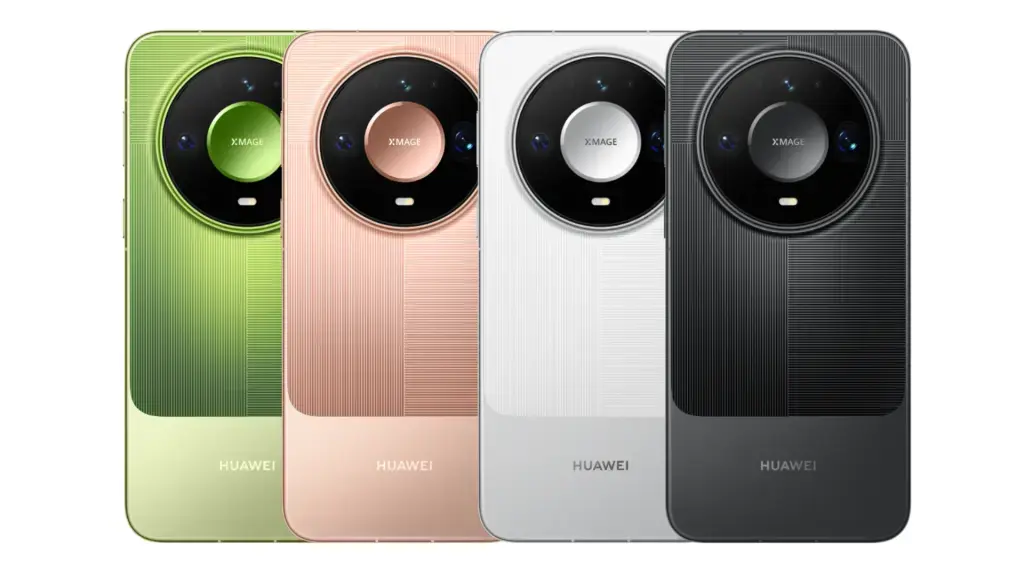
This concentration of sales at the top of the pyramid demonstrates that the Pro and Max branding continues to carry significant weight with the public. Buyers are increasingly willing to invest in devices that offer longevity and the highest possible specifications. The remaining 30% of sales were distributed among the standard Mate 90 and other specialized variants, showing that while there is still a market for the base model, it is no longer the primary driver of initial launch momentum. This shift toward premium models suggests that the brand has successfully convinced its audience of the value found in its top-tier engineering and exclusive design elements.
Hardware Configurations Differ as Performance Requirements Change
One of the most discussed aspects of the new series is the diverse range of Kirin processors utilized across the different models. Huawei has implemented a tiered hardware strategy to ensure that each device meets a specific performance profile. The standard Huawei Mate 90 is powered by the Kirin 9030 chipset, which provides efficient performance for daily tasks and moderate gaming. Moving up the ladder, the Huawei Mate 90 Pro utilizes the Kirin 9035, offering a noticeable boost in processing power and artificial intelligence capabilities.
At the pinnacle of the series, the Huawei Mate 90 Pro Max and the exclusive collection versions are equipped with the Kirin 9050 Pro. This chipset represents the current peak of Huawei’s engineering, designed to handle the most demanding applications and high-resolution video processing. The decision to segment the processors in this manner allows the company to manage its inventory effectively while providing clear incentives for users to upgrade to higher-priced models. This hardware differentiation is not merely a marketing tactic but a technical necessity to support the advanced features found in the Pro Max and Ultimate Design editions.
Strategic Component Selection Ensures That Every Model Excels
The complexity of the hardware configurations extends beyond just the choice of the main processor. Huawei has also tied its chipset selection to the RAM capacity of the devices, further refining the user experience. For instance, the Huawei Mate 90 Pro Max variants that feature 12GB of RAM are paired with the standard Kirin 9050 yonga set. However, those who opt for the 16GB RAM version of the Huawei Mate 90 RS Ultimate Design receive the Kirin 9050 Pro, ensuring that the hardware can fully utilize the extra memory for extreme multitasking.
This meticulous approach to hardware segmentation reflects a sophisticated strategy aimed at capturing multiple segments of the premium market simultaneously. By offering varying levels of power, Huawei ensures that it can compete with other flagship manufacturers on both price and pure performance. As the series continues its rollout, these technical distinctions will likely play a crucial role in maintaining the sales momentum observed during the first few days of the launch. The combination of high-speed memory and optimized processing power positions the Mate 90 series as a formidable contender in the global smartphone arena.
What do you think about Huawei’s strategy of using different Kirin processors across the Mate 90 lineup? Share your favorite model and your thoughts on these sales figures in the comments section below.
Your comment has been submitted,
it will be published after approval.