
Turkey Implements Strict 15-Year Age Limit for Social Media


A new regulation concerning social media age verification has been officially published in the Official Gazette by the Cybersecurity Presidency, marking a significant shift in digital policy for Turkey. Effective from November 1, 2026, the mandate applies to all domestic and international social media platforms accessible within the country. The regulation strictly prohibits individuals under the age of 15 from maintaining social media accounts, while simultaneously imposing rigorous privacy and content restrictions for users aged 15 to 18. This comprehensive framework requires platforms to integrate e-Devlet (e-Government) systems for identity verification to ensure compliance with the new national standards.
- Social media platforms must enforce a minimum age requirement of 15 years for all users.
- Integration with the e-Devlet system is mandatory for verifying user ages without disclosing personal identities.
- Platforms are required to implement heightened privacy and safety protections for users between the ages of 15 and 18.
- Existing social media accounts must complete the mandatory age verification process by March 31, 2027.
The core objective of this policy is to protect minors from potential online harms while maintaining the integrity of digital interactions. 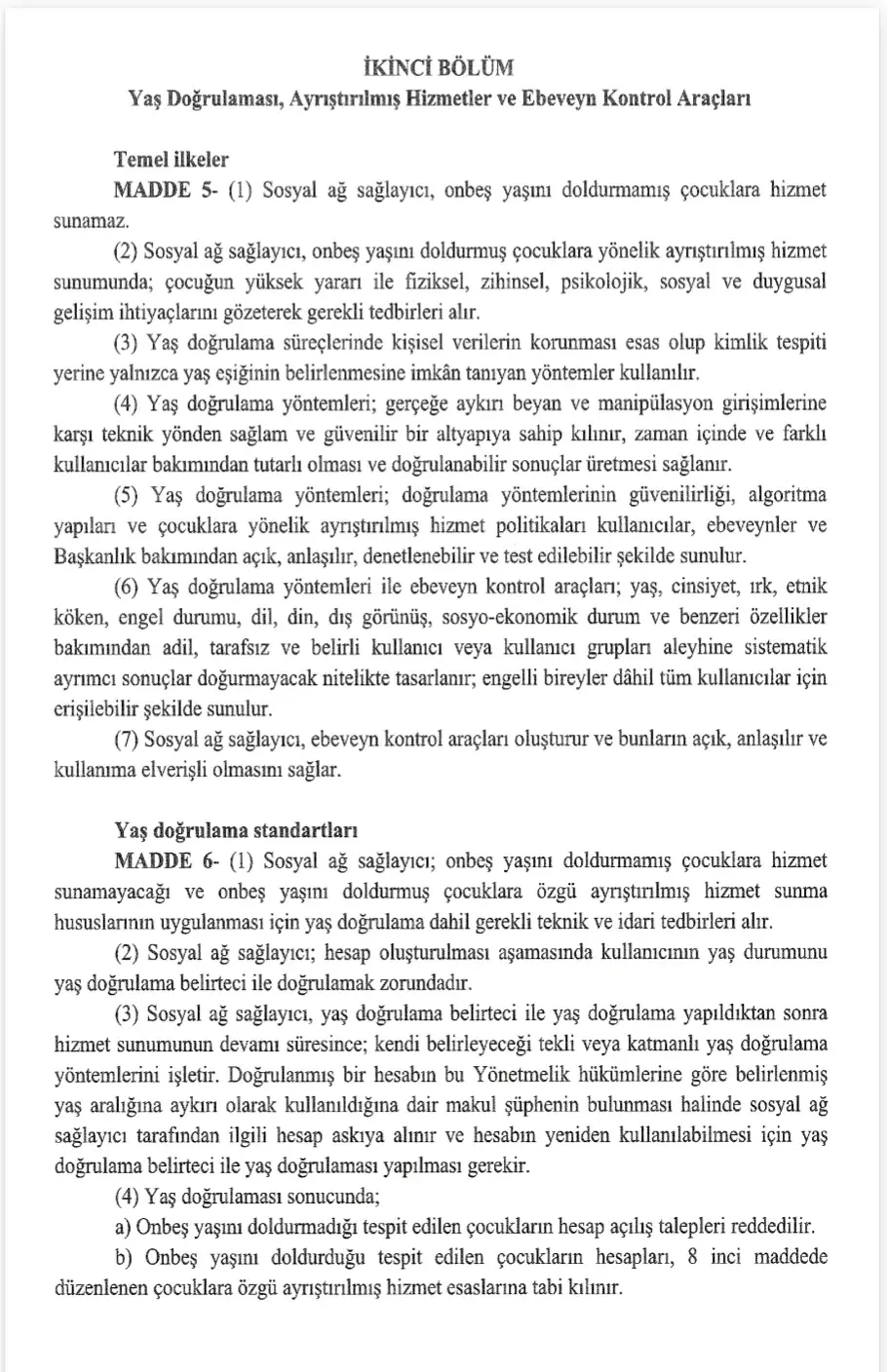 By utilizing the e-Devlet gateway, the system generates a secure token that confirms only whether a user meets the age thresholds of 15 and 18. This method ensures that sensitive personal information, such as full names or exact birth dates, remains protected from third-party exposure. If a platform detects that an account does not meet these criteria, it must suspend the service until a valid verification token is provided.
Stricter Privacy Measures Are Being Implemented for Minors
For users in the 15 to 18 age bracket, platforms are now legally obligated to prioritize physical and psychological well-being. 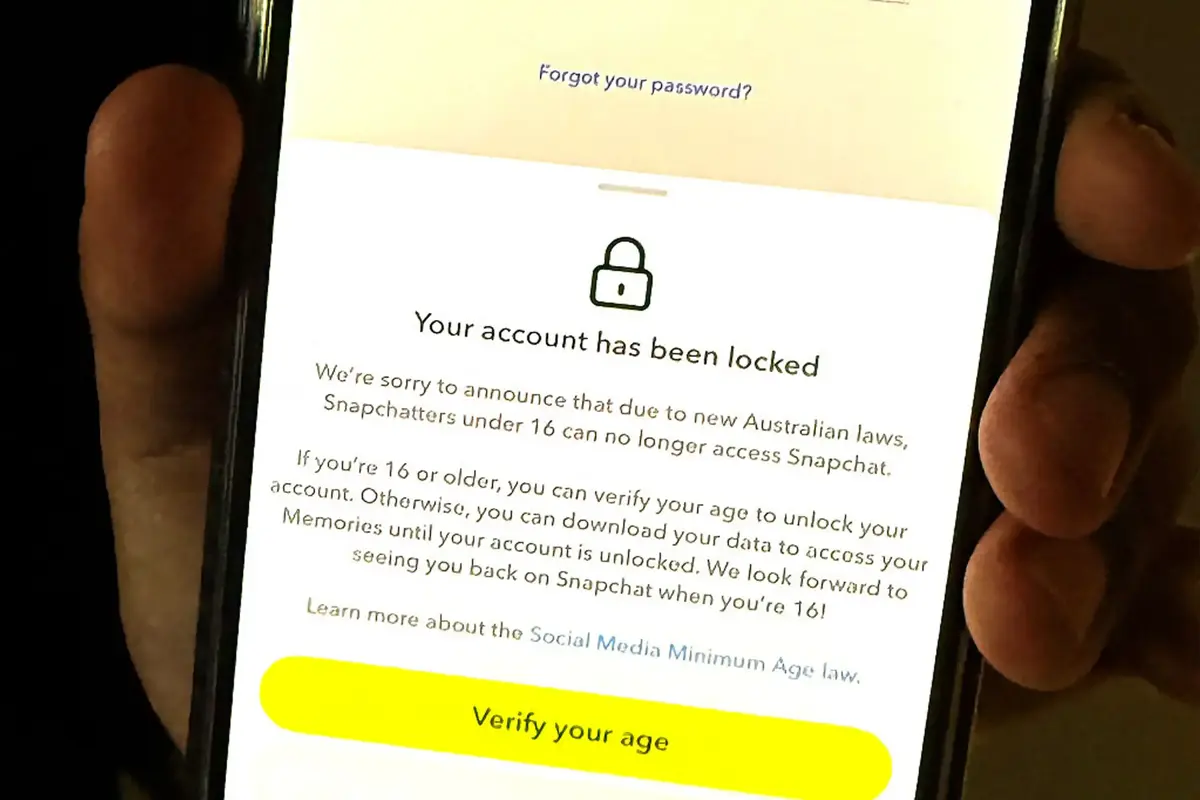 This includes the default activation of high-level privacy settings, such as keeping accounts private and disabling public profile features. Furthermore, platforms must restrict messaging capabilities, allowing only followed accounts to initiate contact, and they are prohibited from using children’s data for commercial profiling or targeted advertising. These measures aim to mitigate risks associated with cyberbullying, predatory behavior, and excessive data harvesting.
Technical Safeguards Are Being Enforced on Platforms
To ensure the safety of younger users, the regulation bans specific features like live streaming and the ability to convert accounts to public visibility.  Technical measures must also be deployed to prevent the capture of screenshots of posts or profile images. Furthermore, parental control tools will now be essential, allowing guardians to oversee account settings and approve financial transactions or paid subscriptions. By limiting the connectivity of these accounts, the government seeks to minimize the risks of social media addiction and unauthorized contact.
Compliance Deadlines Are Being Set for Providers
The scope of this regulation is extensive, covering widely used platforms such as Instagram, Facebook, X, TikTok, YouTube, Telegram, and Discord. Failure to comply with these mandates will lead to penalties under the existing provisions of Law No. 5651. Before imposing sanctions, authorities will issue formal notices to platforms, providing a reasonable period to rectify non-compliance. Additionally, companies must establish a transparent, human-reviewed appeal process for users regarding age verification issues. Current account holders have until March 31, 2027, to align their status with these new requirements.
As these significant changes regarding digital safety and age verification approach, we are curious to hear your perspective on whether these measures will effectively protect younger generations online. Please share your thoughts and concerns in the comments section below.
Your comment has been submitted,
it will be published after approval.