
Apple Cuts iPhone 18 Pro Production Amid Rising Memory Costs

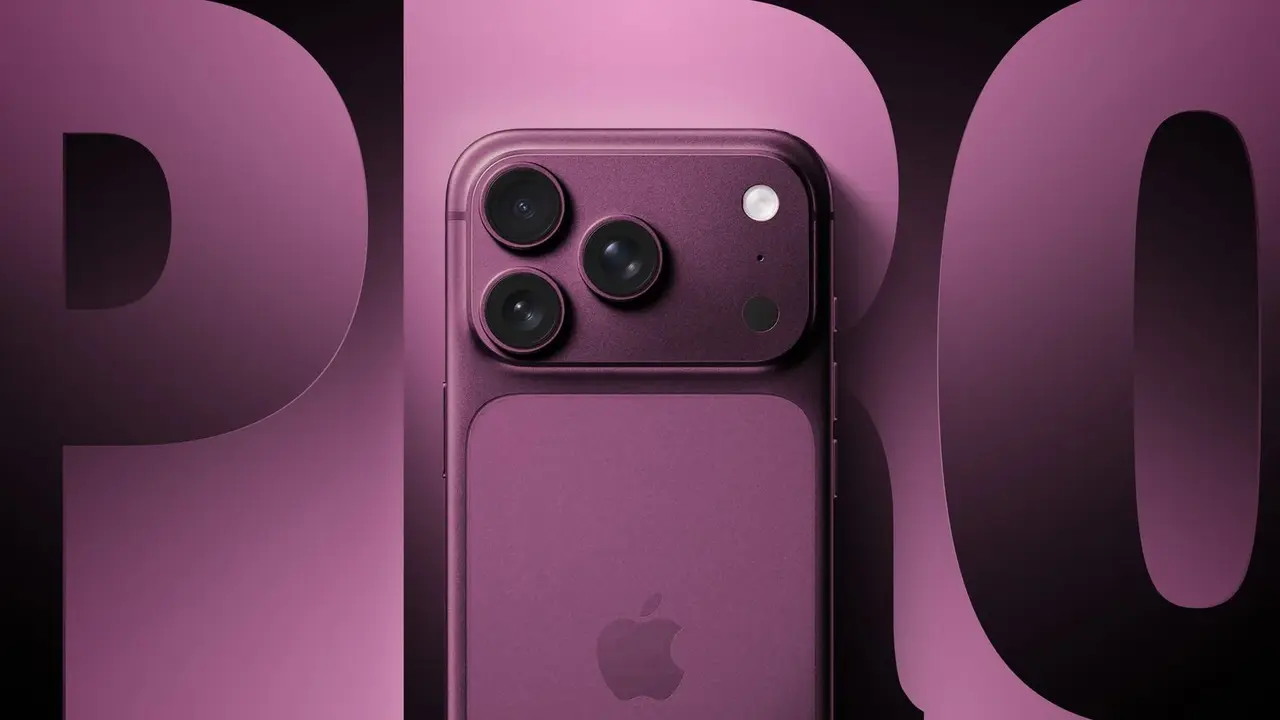
Apple has officially decided to scale back component production for its latest iPhone 18 Pro and iPhone 18 Pro Max models due to mounting global economic pressures. According to recent reports from the supply chain, the tech giant is reducing its October component orders by at least 15 percent. This strategic pivot comes as a direct consequence of a severe global memory bottleneck, primarily driven by the massive demand for artificial intelligence data centers. As manufacturing costs for high-performance memory modules continue to climb, Apple is struggling to maintain its previous profit margins, leading to a noticeable slowdown in consumer demand for the premium handsets.
- Apple is cutting iPhone 18 Pro component orders by 15 percent for October due to high memory costs.
- Surging demand for AI infrastructure in data centers has created a critical global memory shortage.
- The iPhone 18 Pro series faces lower than expected sales figures following a 100-dollar price increase.
- Apple is revising its supply chain strategy to navigate the ongoing semiconductor and memory supply crisis.
AI Infrastructure Demand Increases Memory Costs
The global technology landscape is currently undergoing a structural shift as major corporations prioritize the development of artificial intelligence. This massive investment in AI infrastructure requires vast quantities of high-performance memory and advanced logic chips. As data centers absorb a significant portion of global chip manufacturing capacity, consumer electronics manufacturers are finding it increasingly difficult to secure the necessary components at affordable prices.

This supply-side constraint is not limited to smartphones alone. Earlier this year, Apple was forced to adjust the retail prices of its iPad and MacBook product lines to account for the skyrocketing costs of storage and memory components. By admitting that it could no longer subsidize these expenses internally, the company signaled a broader change in its financial strategy, which has now reached its core iPhone business.
Consumer Demand Softens After Price Hikes
The market reception for the iPhone 18 Pro and iPhone 18 Pro Max has been colder than analysts initially predicted. Launched last month with a starting price of 1,199 dollars and 1,299 dollars respectively, these devices represent a 100-dollar increase over their predecessors. Combined with the introduction of the new foldable Duo model, the complex launch schedule has created confusion among potential buyers. Data indicates that retail interest has remained stagnant from late August through October, suggesting that price sensitivity among premium consumers is higher than previously estimated.
Supply Chain Dynamics Undergo Significant Changes
The integration of advanced artificial intelligence features into the iPhone 18 Pro series necessitates a higher bandwidth memory architecture, making the device more reliant on high-end components. As memory manufacturers exert more control over the market, Apple has adopted a much more conservative stance regarding shipment forecasts. The company is expected to perform continuous assessments of production targets throughout the remainder of the year to ensure they align with actual market demand. As the industry grapples with these shifts, the ability to balance high-end features with sustainable pricing will remain the company’s primary challenge.
Do you believe that rising component costs and the focus on artificial intelligence are making premium smartphones too expensive for the average consumer? Share your thoughts on the future of the iPhone market in the comments section below.
Your comment has been submitted,
it will be published after approval.