
Apple Implements Stricter Security Protocols for iPhone Returns

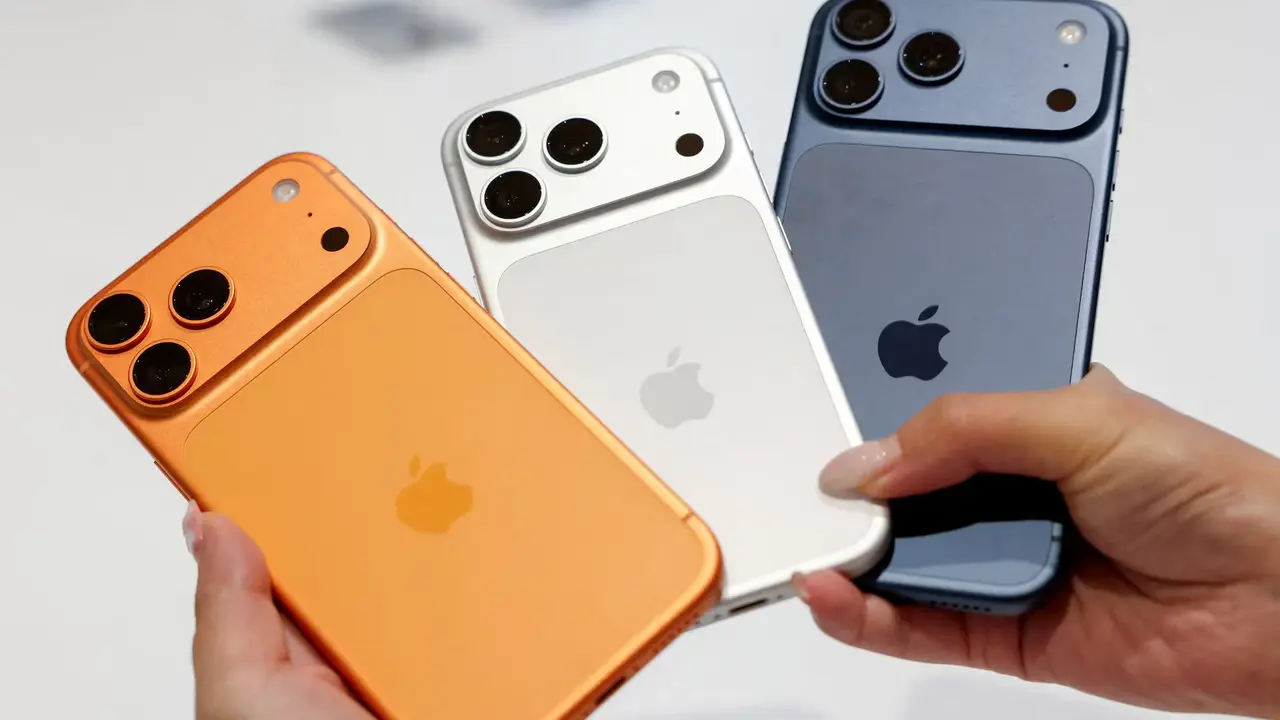
Apple has officially announced a major update to its global security infrastructure, specifically targeting the iPhone return process within its physical retail locations to combat rising theft. By implementing advanced software validation and tighter hardware verification protocols, the tech giant aims to deter fraudulent returns and protect its inventory from unauthorized activities. This strategic move, which is currently rolling out across Apple Stores worldwide, ensures that every device returned to the store undergoes a rigorous check to confirm its legitimacy. These enhanced measures are designed to safeguard user data while maintaining the integrity of the retail shopping experience.
- Apple has introduced a comprehensive security protocol to mitigate retail theft incidents.
- Retail staff now perform mandatory software-based verification checks during all iPhone return requests.
- Display units utilize a specialized locking mechanism that renders devices non-functional if removed from store premises.
Retail Staff Execute Stricter Validation Procedures
The company is taking decisive action to bolster its in-store security posture, responding to a notable uptick in retail theft incidents. Under the new guidelines, every iPhone returned to an Apple Store is subject to a multi-layered software scan. This process goes beyond a simple check; it verifies the device’s hardware status and ensures the individual requesting the return is the legitimate owner. Employees utilize a centralized system to perform real-time checks on serial numbers and iCloud activation states to identify potential irregularities.
If a device exhibits a history of suspicious activity or appears in the company’s stolen database, the system immediately flags the item. This integration of real-time data prevents bad actors from exploiting return policies to liquidate stolen goods. By automating the verification phase, Apple reduces the likelihood of human error and makes it significantly more difficult for criminals to bypass store defenses during high-volume periods.
Display Units Become Functionally Useless Upon Theft
The scope of this initiative extends well beyond the point-of-sale or return desk. Display models within Apple Stores are now protected by an advanced software layer that acts as an immediate deterrent. If a display unit is forcibly removed from its designated area or taken outside the store, the system automatically triggers a remote lock, rendering the device completely inoperable.
This technology effectively turns stolen display units into worthless pieces of hardware, stripping them of any resale value on the secondary market. Because these devices can be tracked via GPS and locked remotely, security personnel and law enforcement can respond more efficiently to breaches. Company representatives have confirmed that this protective mechanism is slated to become a standard operating procedure for every Apple Store location globally.
These proactive security enhancements prioritize the safety of products and consumer data without significantly hindering the customer experience. Apple continues to refine these operations to ensure that security measures remain unobtrusive while providing maximum protection against criminal activity. Industry observers believe this approach could set a new benchmark for other electronics retailers facing similar security challenges in the modern era.
How do you feel about these new digital security layers being implemented in Apple Stores, and do you believe they will effectively deter professional theft rings or simply lead to new methods of circumvention? Share your thoughts and experiences with us in the comments section below.
Your comment has been submitted,
it will be published after approval.