
Apple Integrates SynthID Invisible Watermarks for AI-Generated Images


Apple has officially implemented advanced security measures for iPhone AI-generated images by integrating Google’s SynthID technology into the latest iOS 27.2 update. This initiative, which was initially announced during the company’s June developer conference, serves to identify and verify content that has been created or significantly altered by artificial intelligence tools. By embedding invisible, pixel-level watermarks directly into digital files, Apple aims to increase transparency regarding synthetic media. This technical infrastructure ensures that AI-modified imagery can be tracked even after undergoing common digital manipulations such as cropping, color filtering, or file compression, setting a new standard for content authentication in the mobile ecosystem.
- Apple has integrated the SynthID watermarking technology into the iOS 27.2 update to identify AI-generated or manipulated images.
- The invisible watermarks are designed to persist through standard image processing tasks like compression and cropping.
- Users can verify the presence of these digital markers by utilizing the external SynthID Detector web portal.
- The application of the watermark depends on the intensity of the editing tool used within the Apple Photos app.
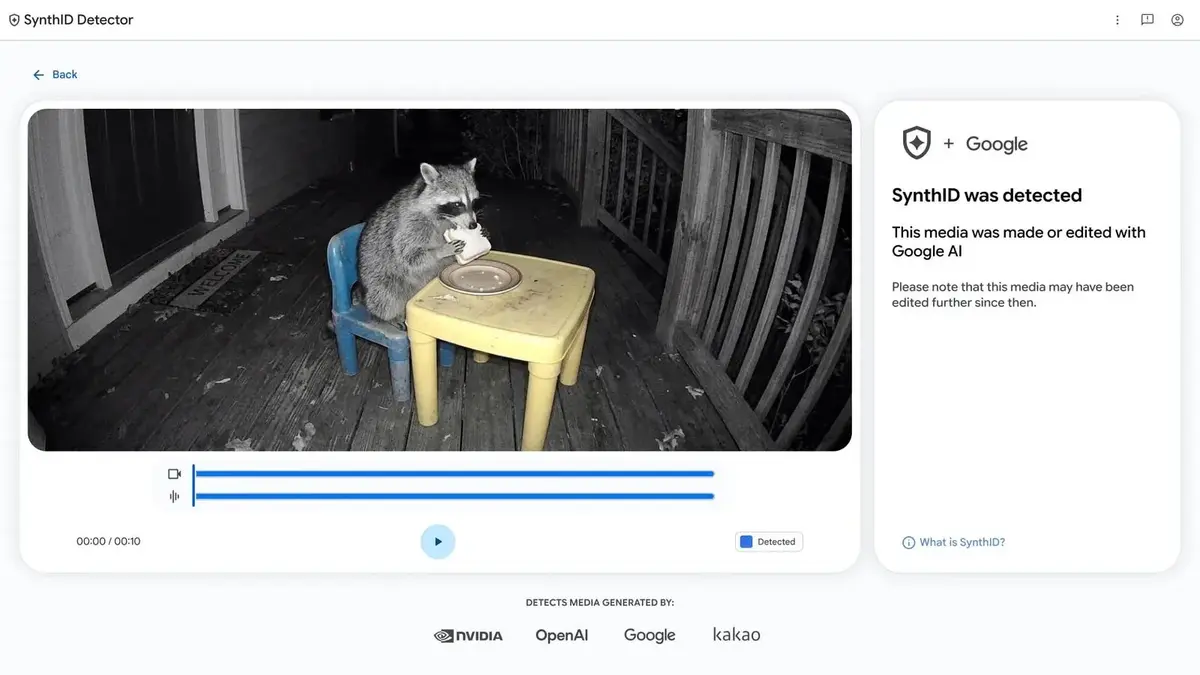
SynthID Technology Ensures Digital Transparency
The core of this implementation relies on SynthID, a sophisticated tool developed by Google that marks digital assets at the pixel level rather than relying on traditional metadata. Because metadata can be easily stripped away during file transfers or social media uploads, this pixel-based approach provides a more robust solution for tracking synthetic content. While Apple has not provided a native, built-in detector within the iOS interface for users to verify these watermarks instantly, the industry-standard SynthID Detector remains available for those seeking to confirm the provenance of their digital images.
Editing Tools Apply Watermarks Differently
The application of these invisible markers is not uniform across all Apple Intelligence features. According to recent testing, images produced via the Image Playground tool carry the watermark by default. However, the behavior of the Photos app’s editing suite is more nuanced. Small-scale adjustments made with the Clean Up tool often remain unmarked, whereas significant alterations trigger the inclusion of the SynthID watermark. Similarly, the Extend and Reframe features are configured to embed the identifier into the final output. This tiered approach suggests that Apple is prioritizing the identification of high-impact AI manipulations over minor pixel corrections.
Security Features Remain Under Evaluation
By adopting this technology, Apple joins a growing coalition of tech giants—including OpenAI and Google—who are committed to establishing a verifiable framework for AI-generated content. This move is largely viewed as a proactive stance against the spread of misinformation and deepfakes, as it allows for the differentiation between authentic photographs and those synthesized by machine learning models. As Apple Intelligence continues to evolve, the company is likely to refine how these markers are applied, potentially extending the technology to include more granular details about the nature of the edits performed. The current implementation represents a significant milestone in ensuring that users remain informed about the authenticity of the visual media they interact with daily.
We would love to hear your perspective on this update. Do you believe that implementing invisible watermarks like SynthID is an effective way to combat AI misinformation, or do you have concerns regarding privacy and digital provenance? Please share your thoughts in the comments section below.
Your comment has been submitted,
it will be published after approval.