
Samsung Hits Record Revenue Driven by AI Memory Demand in Q3 2026

Samsung Electronics reported record-breaking financial results for the third quarter of 2026, which concluded on September 30. The global technology giant achieved an unprecedented quarterly revenue of 195.3 trillion won, approximately 146.3 billion dollars, representing a massive 126.82 percent increase compared to the same period last year. This historic performance was primarily fueled by the surging global demand for artificial intelligence memory chips. While the company celebrated a record-breaking operating profit of 107.4 trillion won, the financial report highlighted a stark contrast between the booming semiconductor sector and the struggling mobile division, which continues to face significant market pressure.
- Samsung reached an all-time high quarterly revenue of 195.3 trillion won during the third quarter of 2026.
- Operating profits surged by 780 percent annually due to the massive demand for artificial intelligence memory chips.
- The mobile division reported continued financial losses attributed to market saturation and intense competition in the mid-range segment.
Artificial Intelligence Memory Demand Drives Profit Margins
The foundation of Samsung’s financial success in the current fiscal year is the exponential rise in demand for high-bandwidth memory (HBM) chips, which are essential for data centers and advanced artificial intelligence applications. By strategically shifting production capacity toward AI-focused hardware, the semiconductor division managed to exceed market expectations regarding profitability. This digital transformation has positioned the memory unit as the primary engine of the company’s financial growth, effectively offsetting fluctuations and performance gaps in other business segments.
Mobile Division Struggles With Market Challenges
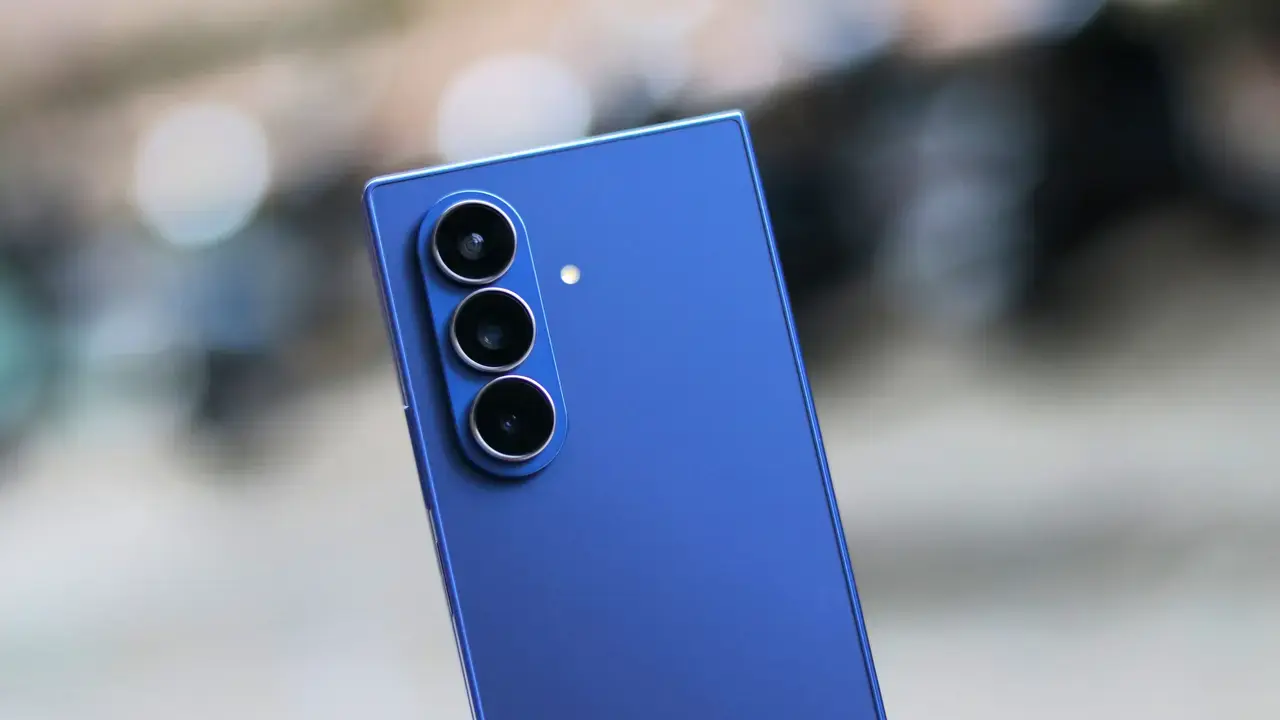
In contrast to the prosperity seen in the semiconductor business, the mobile department reported disappointing results and sustained losses for the third consecutive quarter. The smartphone market has reached a point of saturation, while fierce competition in the mid-range sector continues to exert downward pressure on overall profit margins. [image_1] Management has indicated that a shift toward software-centric strategies is necessary to reverse this trend. The division aims to revitalize its market share by integrating next-generation AI features into future mobile devices to enhance the overall user experience.
Investors Focus on Future Strategic Directions
Industry analysts anticipate that Samsung will maintain its dominance in the global memory chip market for the foreseeable future, though they warn that the recovery of the mobile department may not materialize until 2027. To protect its market leadership, the company intends to prioritize research and development investments specifically in artificial intelligence integration. [image_2] Future growth expectations are heavily pinned on advancements in foldable display technology and the development of sophisticated processor architectures designed to minimize mobile losses. The ultimate challenge for Samsung remains the ability to successfully translate its massive success in AI-specific hardware into a cohesive, competitive advantage across its entire consumer electronics portfolio.
Given the massive profit surge in the semiconductor sector, how do you view Samsung’s ongoing difficulties in the mobile market? Do you believe the company can successfully pivot its smartphone strategy to regain its competitive edge? Share your thoughts and predictions in the comments section below.
Your comment has been submitted,
it will be published after approval.