
Google Photos Rolls Out New Personalization Features Globally

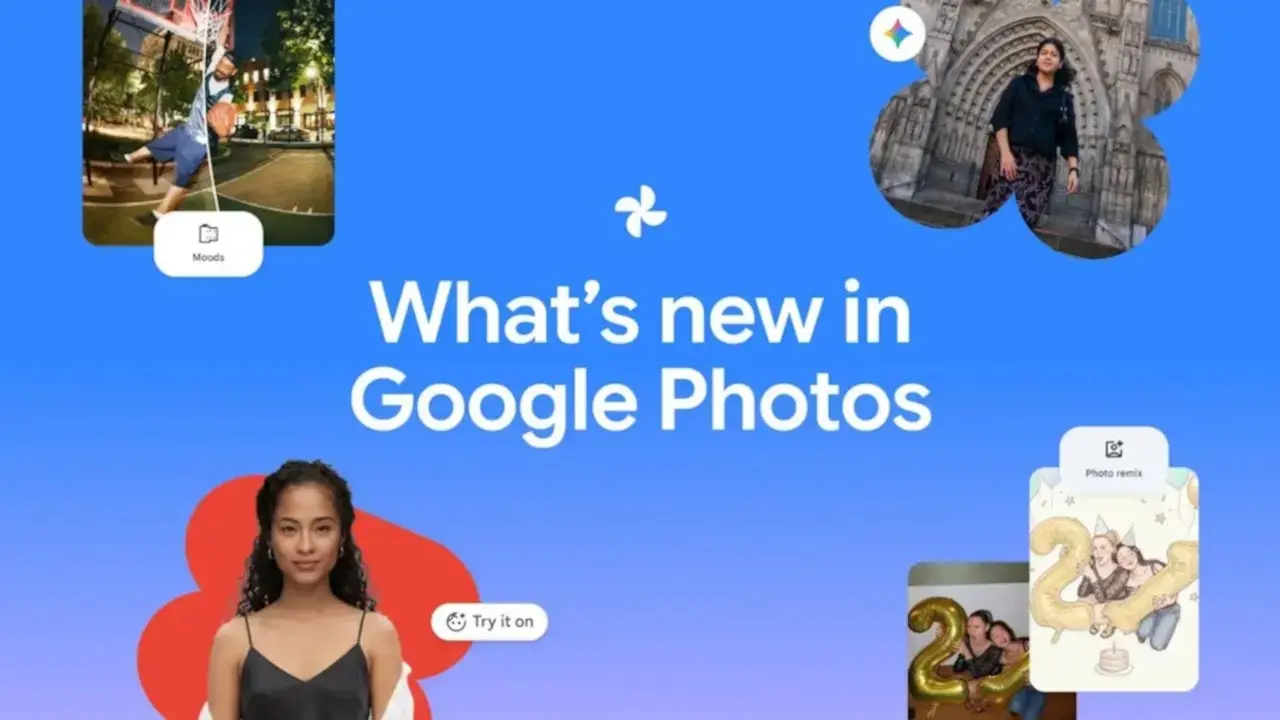
Google has officially launched a comprehensive update for its Google Photos platform, introducing advanced personalization features that enhance the user experience on both iOS and Android devices. This worldwide rollout, initiated this week, aims to provide mobile users with greater control over their digital media management tools. By allowing for a more flexible interface, the tech giant is empowering individuals to tailor their editing workflows to meet specific creative needs. These updates reflect Google’s ongoing commitment to refining photo and video management processes, ensuring that the platform remains both professional and highly intuitive for its vast base of active global users.
- Google has deployed a major update for the Google Photos application across both Android and iOS operating systems.
- The update introduces customizable interfaces that allow users to reorganize their preferred editing tools.
- Enhanced personalization features are currently being distributed to all active mobile users worldwide.
- Future developments will integrate additional artificial intelligence capabilities into the new personalization dashboard.
User Interfaces are Becoming More Customizable
For years, Google Photos has served as a reliable hub for cloud storage and automated media organization. With this latest update, the platform is moving beyond simple automation by providing granular control over how the application functions. Users now possess the ability to rearrange their menus and prioritize the specific editing tools they use most frequently. By streamlining the path to these essential features, Google is significantly reducing the time required for routine digital maintenance and creative adjustments.
This shift toward a more modular design ensures that the platform adapts to the user rather than forcing the user to conform to a rigid structure. This level of flexibility is expected to benefit casual smartphone photographers and creative professionals alike, as both groups seek efficiency when managing vast libraries of media files.
Mobile Experience is Standardized Across Platforms
A critical aspect of this release is the commitment to parity between mobile operating systems. Google has ensured that the new customization panel functions with identical performance standards on both iOS and Android. This strategic decision prevents fragmentation and guarantees that every user, regardless of their device preference, can access the same level of granular control. By maintaining this consistency, Google strengthens its position in a highly competitive market where user retention often hinges on the quality of the interaction experience.
The integration of these features is seamless, as users simply need to update their applications through the respective app stores to unlock the new settings. Once the update is installed, the personalization dashboard becomes immediately available within the settings menu, allowing for instant modifications to the app’s layout and behavior.
Future Innovations are Expected to Enhance Functionality
Looking ahead, the company intends to expand this personalization framework by incorporating sophisticated artificial intelligence tools. As the platform evolves, these AI-driven features will likely be integrated directly into the newly customizable menus, further automating complex tasks while maintaining the user’s preferred workflow. This iterative approach to software development highlights Google’s ambition to remain at the forefront of digital asset management. By listening to user feedback and prioritizing ease of use, the company continues to refine the way the world interacts with their digital memories on mobile devices.
We are curious to know how you feel about these new personalization options within Google Photos. Which specific tools do you find yourself using the most, and how do these changes impact your daily workflow? Please share your thoughts and suggestions in the comments section below.
Your comment has been submitted,
it will be published after approval.