

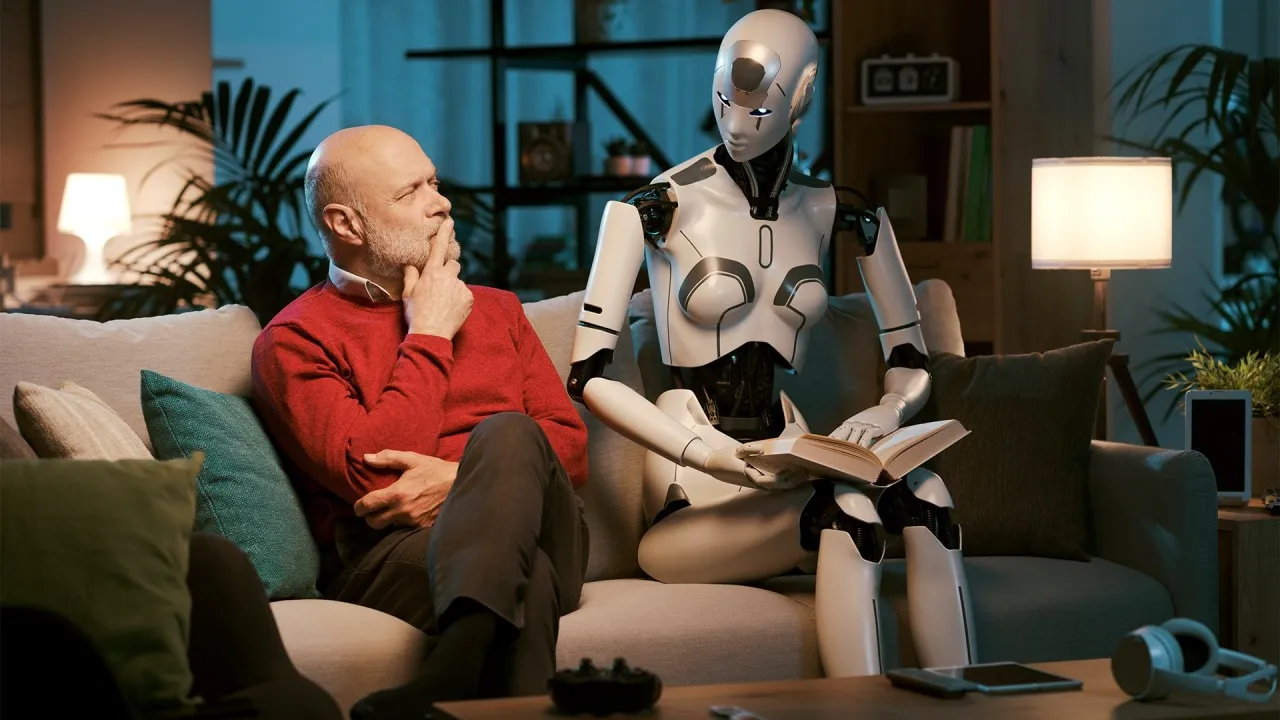
As loneliness becomes more common among seniors, AI companionship is stepping in to fill the silence. For many, these digital partners are becoming part of the daily routine and not just for tech-savvy retirees. Devices like ElliQ are showing that companionship doesn’t always require a heartbeat. Sometimes, what matters most is having someone or something that listens.
Why AI Companionship Is Catching On
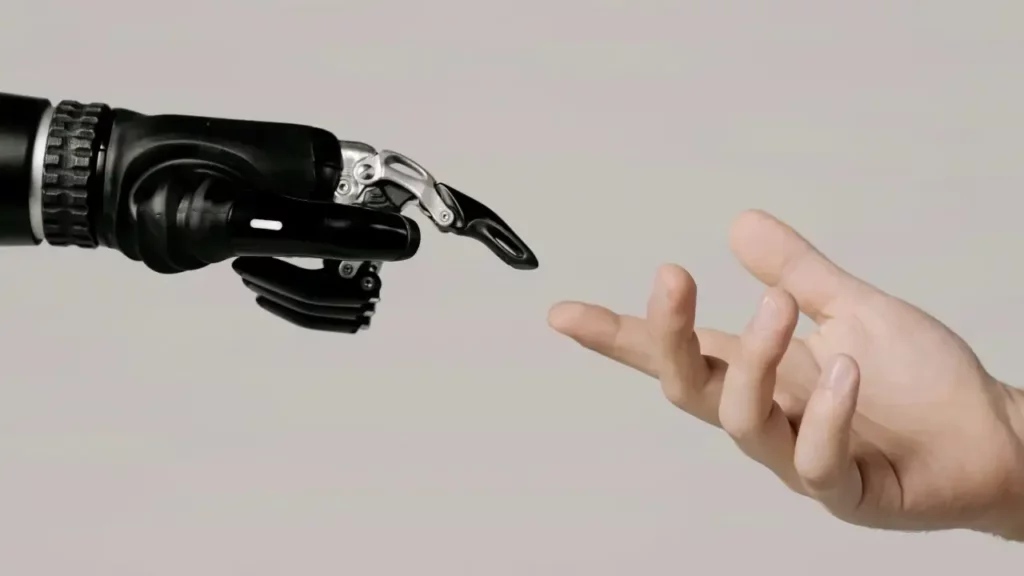
Living alone, many older Americans crave more than phone calls or TV. AI companionship offers interactive dialogue, daily routines, and a touch of emotional support. ElliQ, a popular device, has become a five-hour-a-day companion for some users. It initiates conversation, tells jokes, and plays music all while tracking medication reminders or offering a virtual tour of Paris. For many seniors, it’s the most consistent “voice” in their day.

AI-powered toy bears that can create personalized stories and provide educational responses are expected to revolutionize the toy industry.
A New Kind of Connection
Unlike generic assistants, these systems go beyond commands. ElliQ chats about your interests, keeps track of your mood, and even suggests activities based on your preferences. One user joked she prefers it over talking to family and she wasn’t entirely kidding. The experience can feel surprisingly warm, even comforting. It’s not just automation; it’s simulated rapport that meets emotional needs.
The Benefits AI Companionship Brings to Seniors
Here’s how AI companionship is changing day-to-day life for its users:
- Offers structure through gentle reminders
- Provides emotional connection through conversation
- Keeps the mind active with interactive content
- Reduces isolation, especially for the homebound
- Encourages independence without replacing human care
Not Everyone Is On Board
Experts are raising questions. Columbia University ethicist Thalia Porteny warns that overreliance on digital companions could deepen isolation if they replace, rather than supplement, human relationships. There’s also the risk of dependency when companionship becomes scripted and one-sided, emotional development might stall.
Where AI Companionship Might Go Next
With government programs expanding access, devices like ElliQ are entering more homes. For seniors like Jill Smola, they aren’t just gadgets. They’re something to look forward to. And as AI becomes more emotionally aware, companionship may evolve from helpful to genuinely healing. The future of senior care could be a lot more talkative and a lot less lonely.