
AMD Predicts DDR5 Memory Prices Will Remain High Until 2028

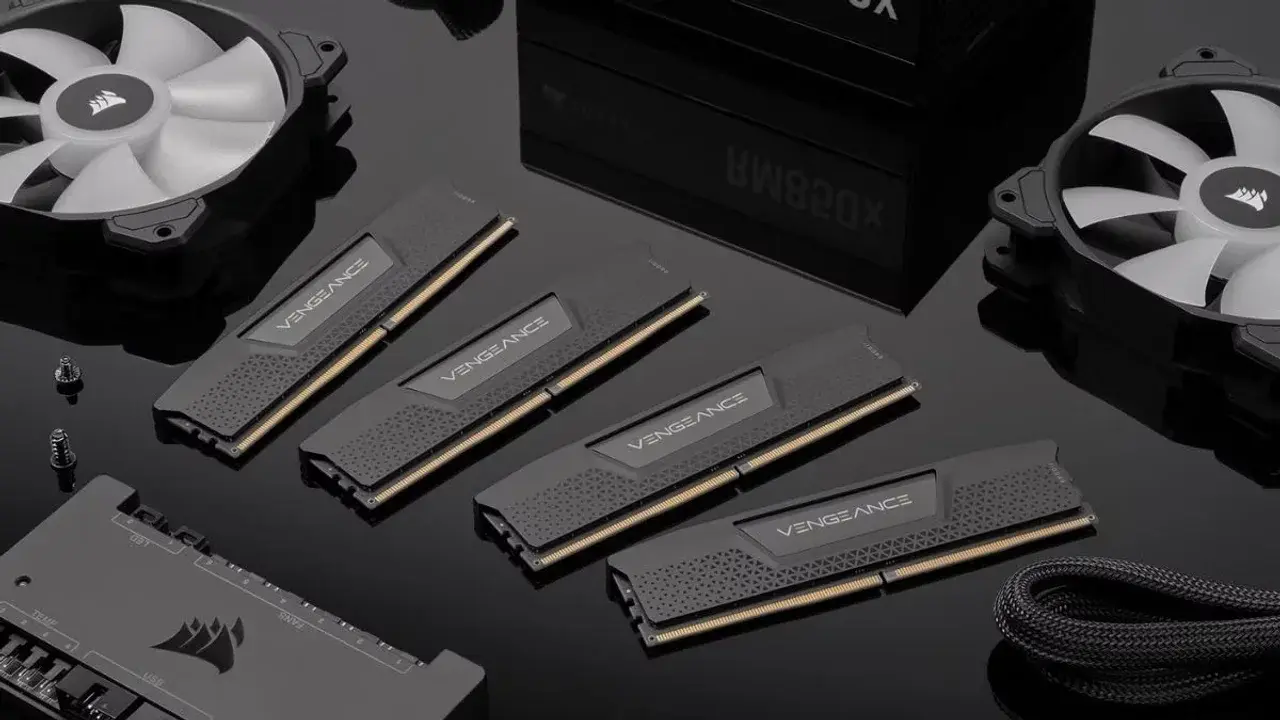
According to recent insights shared by David McAfee, Vice President of the Client Channel Business at AMD, consumers should prepare for sustained high costs in the DDR5 memory market. Market analysis suggests that the current price elevation for DDR5 modules is unlikely to normalize before 2028, with the trend expected to persist throughout 2026 and 2027. This challenging environment for hardware enthusiasts and system builders stems from structural shifts in semiconductor manufacturing and a massive surge in global demand for advanced computing components, particularly those driving the rapid evolution of artificial intelligence technologies.
- AMD executive David McAfee projects that DDR5 memory costs will stay elevated for at least the next two years.
- The massive surge in global artificial intelligence infrastructure development restricts the availability of memory components.
- Manufacturing resources have shifted toward DDR5 production, creating a supply imbalance that impacts global market pricing.
- Budget-conscious users are increasingly returning to older DDR4 platforms due to the significant price disparity between memory generations.
Artificial Intelligence Demands Constrain Global Supply Levels
The primary driver behind the persistent price hike is the explosive growth of artificial intelligence. As data centers and AI research facilities scramble to secure high-performance memory, manufacturers are prioritizing these high-margin sectors over consumer-grade hardware. Despite efforts by major memory producers to expand their manufacturing capacity, the current output remains insufficient to stabilize the market. 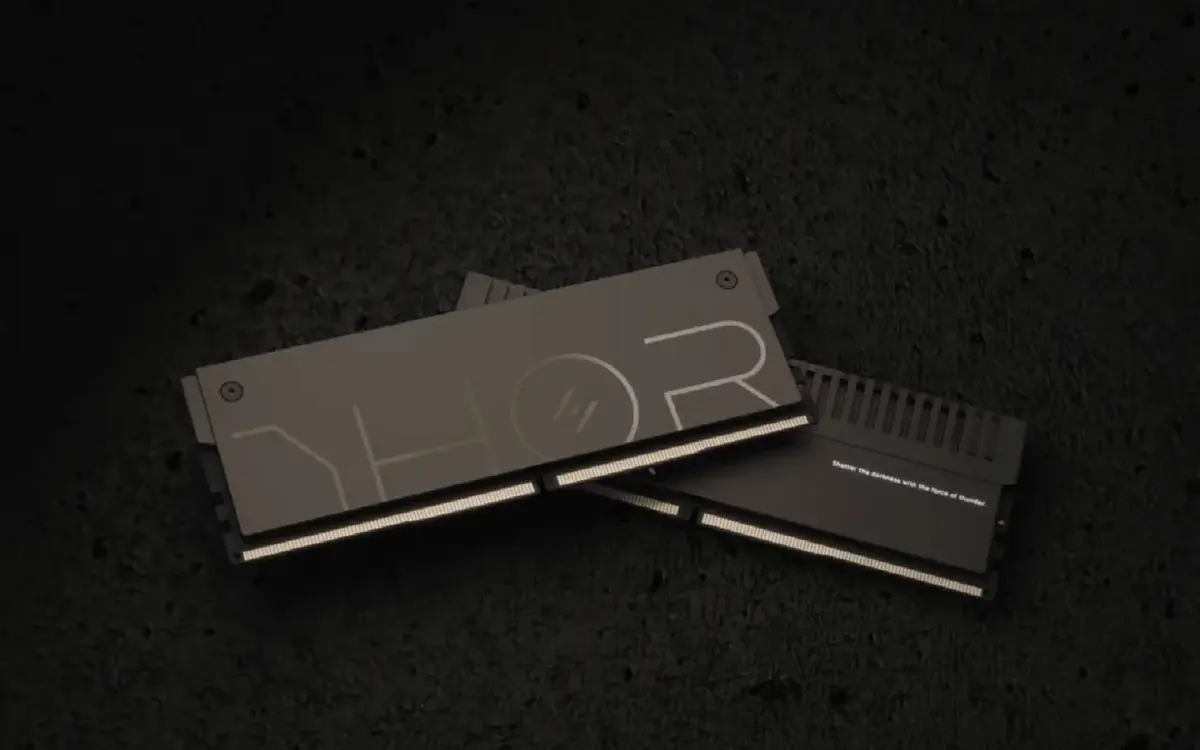 This supply-demand gap has resulted in retail prices for DDR5 modules reaching levels significantly higher than historical averages, sometimes ballooning to four or five times their standard cost in specific regions.
Manufacturers Shift Focus Away From Legacy Components
The strategic pivot by major semiconductor firms toward DDR5 technology has inadvertently squeezed the supply chain for older hardware. By dedicating a larger portion of their wafer capacity to newer standards, manufacturers have limited the production of DDR4 modules. This structural change has not only kept DDR5 prices high but has also led to supply chain constraints for legacy memory, causing prices for those units to rise by two to three times as well. Consequently, the entire memory ecosystem is currently navigating a period of unprecedented volatility.
The transition to next-generation memory standards is proving to be a costly hurdle for the average desktop PC builder.
Legacy Platforms Maintain Strong Market Relevance
Despite the industry-wide push toward newer technology, interest in DDR4 platforms remains remarkably resilient. Many users are opting to stick with existing, more affordable motherboards rather than incurring the high entry cost of a DDR5-compatible system. Recognizing this trend, hardware manufacturers are continuing to support these mature platforms, with companies like AMD maintaining production of iconic, high-performance processors that are compatible with DDR4 architecture. This ongoing support provides a vital alternative for those who need reliable performance without the premium price tag associated with the latest memory standards.
Market stability for memory components may remain elusive until global manufacturing capacities catch up with the insatiable demand of the AI sector.
Given the extended timeline for price stabilization in the memory market, how are you approaching your next system upgrade? Share your thoughts on whether you plan to stick with legacy DDR4 hardware or invest in the future of DDR5 despite the current price trends.
Your comment has been submitted,
it will be published after approval.