
AMD Processor and Graphics Card Prices May Increase Soon

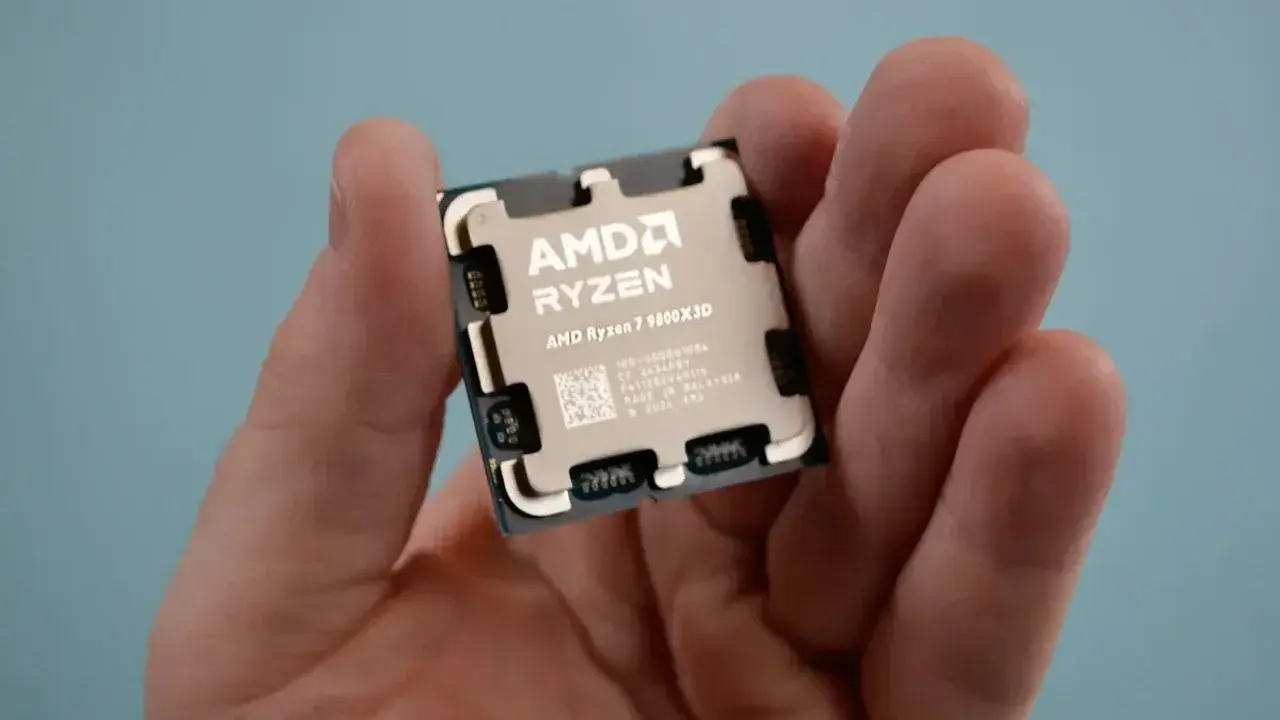
Recent industry reports indicate that AMD is preparing for a significant price adjustment across its entire product lineup, potentially raising the cost of its processors and graphics cards by approximately 10 percent. Sources close to the supply chain suggest that this increase, which could take effect as early as the fourth quarter of this year, serves as a direct response to rising production costs and global economic fluctuations. This potential shift is expected to impact PC builders and enthusiasts who rely on the company’s competitive hardware offerings. As global manufacturing pressures mount, the tech sector remains on high alert regarding the future affordability of essential computing components.
- Industry reports suggest AMD may implement a 10 percent price increase on its processors and graphics cards.
- TSMC has reportedly raised production costs for its partners, directly influencing AMD’s manufacturing expenses.
- The current global RAM shortage is negatively affecting hardware pricing across the broader technology market.
- Market analysts predict that the ongoing supply chain challenges may persist well into 2027.
Manufacturing Costs Are Rising Due to TSMC Adjustments
The foundation of this price hike rests largely on the increased production costs passed down by semiconductor foundries. TSMC, a primary manufacturing partner for AMD, has reportedly informed its clients of a 10 percent increase in fabrication fees. Because AMD relies heavily on these high-capacity facilities to produce its advanced chipsets, the company is under significant pressure to protect its profit margins by adjusting retail prices. 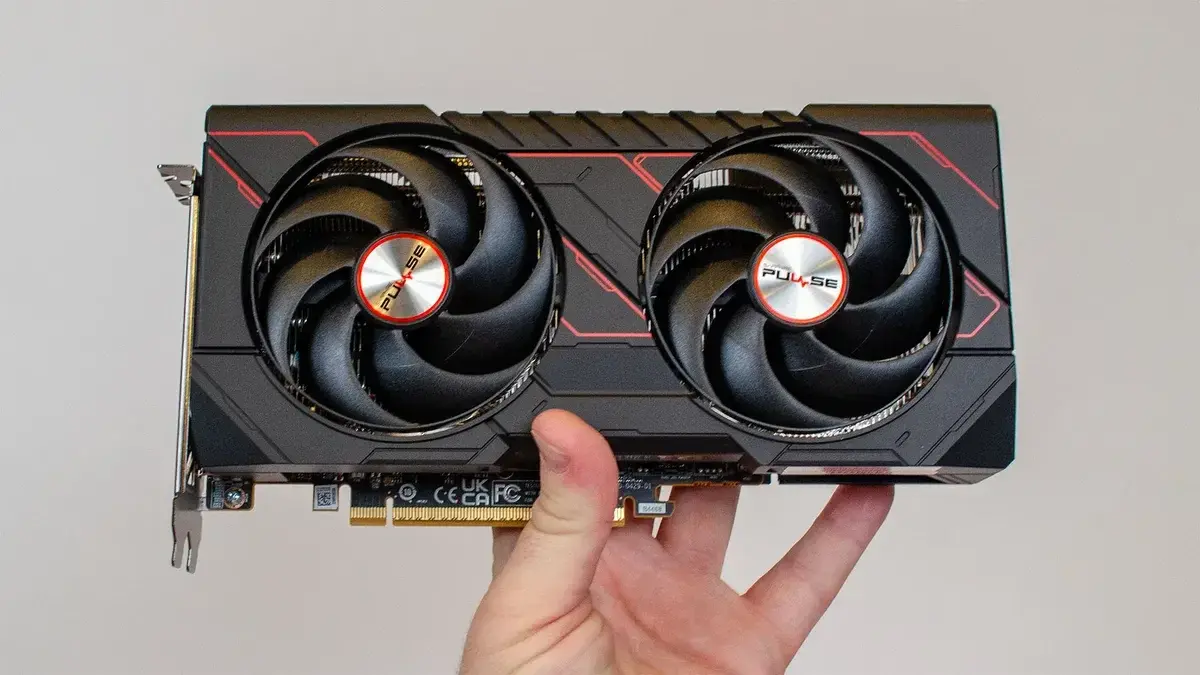 This wave of cost adjustments is not limited to central processing units; it is expected to extend to graphics cards and motherboard chipsets, affecting a wide range of consumer hardware.
Global RAM Shortages Are Impacting Hardware Availability
The hardware landscape is currently grappling with a severe RAM crisis that transcends individual brands. This supply chain instability has already forced other industry players, such as Valve, to alter their pricing strategies for new products like the Steam Frame VR headset. Valve engineers have confirmed that maintaining high performance while navigating the current market volatility has necessitated higher price points than originally projected. This trend highlights the broader vulnerability of the tech industry, where specialized components are becoming increasingly difficult and expensive to procure.
Market Stability Remains Uncertain Through 2027
Industry experts have expressed deep concern regarding the long-term outlook for consumer electronics. Beyond the immediate impact on AMD hardware, the rising cost of DDR5 memory and the subsequent surge in laptop pricing indicate a systemic issue within the supply chain. Projections suggest that the current RAM crisis will remain a major hurdle throughout 2026, with the possibility of even more difficult market conditions emerging in 2027. While AMD previously hinted at potential adjustments for the second half of the year, official confirmation is still pending. As of now, consumers and retailers are advised to monitor the situation closely as the company evaluates its final pricing strategy.
Given the current trends in the semiconductor market, how do you think these potential price hikes will influence your plans for future PC builds or hardware upgrades? Share your thoughts and predictions in the comments section below.
Your comment has been submitted,
it will be published after approval.