
AMD RDNA 5 GPU Launch Delayed Until 2028 Due to Shortages

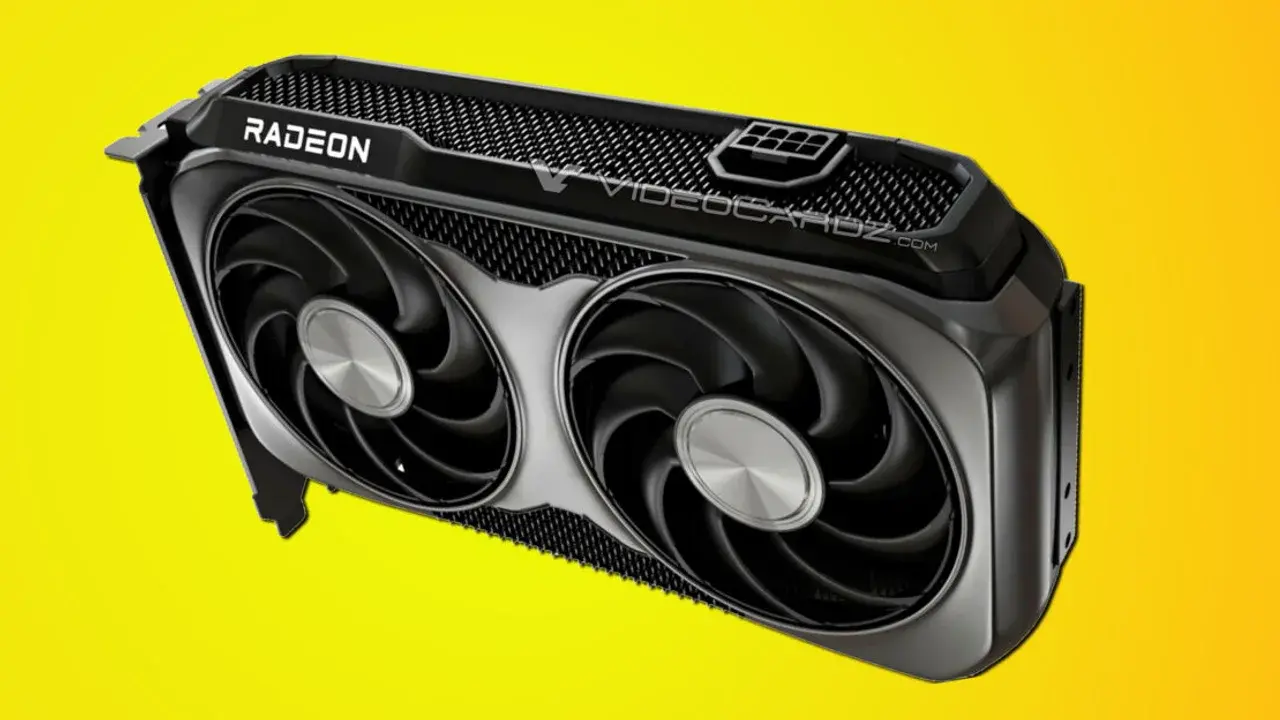
AMD is facing a significant setback as the highly anticipated RDNA 5 graphics cards are officially delayed until late 2027 or early 2028. This postponement is primarily driven by a severe global memory supply crisis that has disrupted the entire PC hardware manufacturing chain. Industry reports indicate that the ongoing supply bottleneck and rising production costs are forcing AMD to recalibrate its release schedule, pushing the next generation of gaming GPUs further away from consumers. As a result, gamers will likely need to wait more than two years to experience the performance leap promised by the RDNA 5 architecture.
- Global memory supply constraints and escalating production costs are directly delaying AMD’s next-generation GPU roadmap.
- Industry partners and analysts project that RDNA 5-based graphics cards will arrive no earlier than the third quarter of 2027.
- Hardware manufacturers are prioritizing high-demand artificial intelligence components over traditional gaming GPU production.
A two-year wait for the next generation of graphics hardware signals a prolonged stagnation period for the gaming market.
Memory Shortages Restrict the Technology Market
The delay impacting AMD is not an isolated incident but rather a symptom of a systemic issue within the broader PC component ecosystem. Memory manufacturers are increasingly shifting their production capacity toward high-margin, AI-focused hardware, which leaves a shrinking supply of high-speed VRAM for consumer graphics cards. Experts warn that this supply-demand imbalance could persist until 2029, creating a difficult environment for hardware enthusiasts. 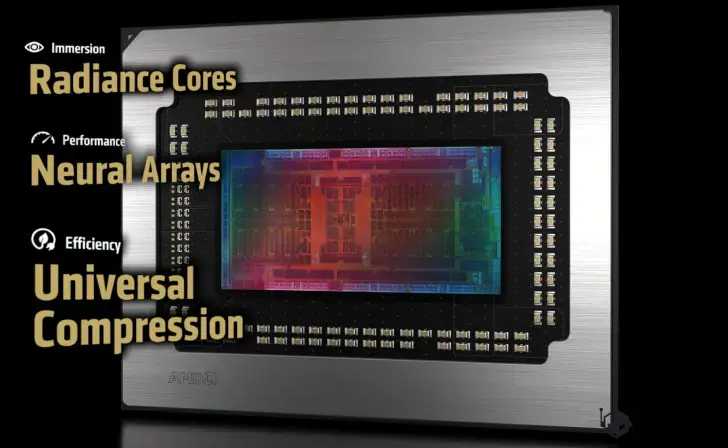 This shift effectively narrows the availability of components required for modern gaming GPUs, forcing companies to reconsider their manufacturing priorities.
NVIDIA and AMD Competition Faces New Challenges
NVIDIA is also navigating similar hurdles within this volatile market. Following the release of the RTX 50 series, the company has been forced to rely on incremental updates rather than major architectural leaps. Ambitious projects, such as the rumored Rubin architecture, have reportedly been sidelined or deprioritized to navigate current supply chain limitations. This cooling of innovation creates a unique, albeit frustrating, environment for AMD to attempt a comeback. However, the current manufacturing constraints limit the potential for a swift market disruption.
Technology giants are consistently choosing to prioritize AI-driven manufacturing strategies over traditional gaming hardware production.
Technical Specifications for RDNA 5 Emerge
Despite the long wait, preliminary technical data suggests that the RDNA 5 architecture remains an ambitious project. Sources indicate that flagship models may feature up to 96 compute units and offer 32 GB of VRAM capacity. Evidence within Linux kernel code, specifically referencing GFX13 structures, confirms that AMD continues to refine its engineering designs behind the scenes. Nevertheless, these technical advancements cannot reach the end user until the underlying memory supply chain issues are resolved. The industry remains hopeful that the eventual launch will justify the long development cycle, provided that manufacturing capacity stabilizes before the target release window.
Do you believe that waiting for the RDNA 5 architecture is worthwhile, or will this long delay cause AMD to lose its competitive edge among gamers? Share your thoughts in the comments section below.
Your comment has been submitted,
it will be published after approval.