
Android 17 Makes Switching from iPhone Easier Than Ever

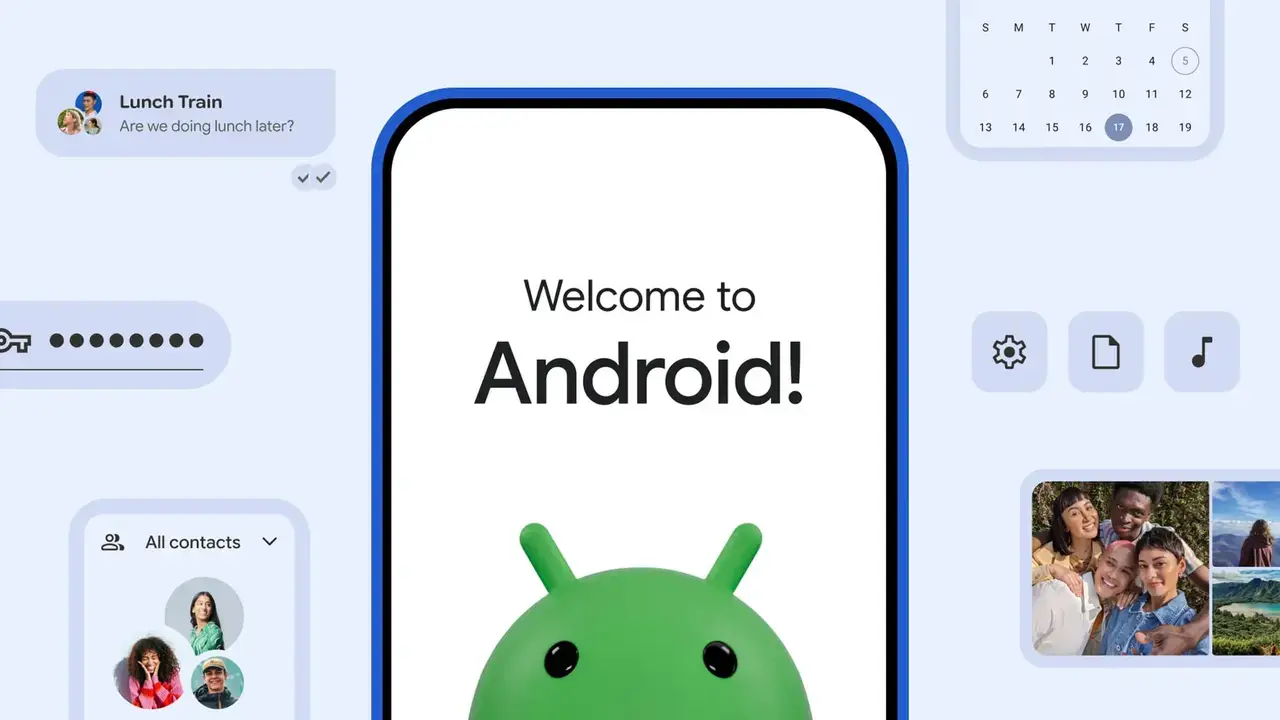
Google has officially revolutionized the smartphone migration process with the rollout of the Android 17 update, which began its global distribution this past June. Designed to eliminate the technical friction typically associated with changing platforms, the update enables iPhone users running iOS 26.3 or higher to transfer their critical data to new Android devices wirelessly and securely. This enhanced functionality is currently available on Pixel handsets and is being rapidly integrated into new flagship models, such as the Samsung Galaxy Z Flip8 and Z Fold8. By streamlining the transition, Google is significantly lowering the barrier to entry for users considering a move to the Android ecosystem.
- Android 17 facilitates the wireless transfer of Google accounts, Wi-Fi credentials, and eSIM data between operating systems.
- The update complies with European Union Digital Markets Act requirements regarding platform interoperability.
- The system utilizes a native, built-in mechanism that eliminates the need for third-party migration applications.
Data Transfer Processes Are Being Simplified
For many years, the primary deterrent for users switching from iOS to Android was the cumbersome nature of data migration. Previously, the process relied heavily on external third-party software, which was often prone to connectivity errors, speed limitations, and incomplete data synchronization. Android 17 effectively dismantles these obstacles by embedding the transfer tools directly into the operating system’s core architecture.
Users can now perform a comprehensive migration during the initial device setup process without needing to download additional, untrusted applications. This native integration ensures that contacts, photos, and messages are moved with higher integrity and speed.
Users can now migrate their eSIM profiles between different operating systems without any manual effort.
Digital Markets Act Influences Platform Interoperability
The shift toward more open mobile environments is largely driven by the European Union’s Digital Markets Act. This legislative framework mandates that major technology corporations must ensure their platforms remain transparent and interoperable. By forcing tech giants to provide users with ownership and portability of their personal data, the EU has fundamentally changed how Apple and Google must approach ecosystem lock-in.
Historically, both Apple and Google utilized restrictive methods to retain users within their respective digital gardens. However, these new regulatory requirements have turned data portability into a fundamental user right, compelling manufacturers to develop more cooperative software environments.
Technological Infrastructure Is Being Strengthened
The scope of the new Android 17 migration tool extends far beyond basic contact lists. It now encompasses complex system configurations, including saved Wi-Fi networks and granular Google account preferences. This level of synchronization creates a near-seamless transition, allowing users to feel comfortable with their new device almost immediately after activation.
Software updates are progressively erasing the traditional boundaries between competing mobile operating systems.
Furthermore, hardware manufacturers are playing a crucial role by rapidly deploying these software capabilities to their latest flagship devices. As Android 17 continues to reach a wider user base, the competitive landscape of the mobile market is shifting toward user freedom. By removing the fear of data loss, Google is encouraging a more fluid and consumer-driven market where users feel empowered to choose the hardware that best fits their specific needs. Future iterations of this technology are expected to support even more complex data types and faster transfer rates, further cementing the viability of switching between platforms.
Do you believe that these new migration tools make it easier for you to switch between mobile platforms, or do you still find the process too complicated? Please share your thoughts and personal experiences regarding device migration in the comments section below.
Your comment has been submitted,
it will be published after approval.