
Mysterious mountains revealed in Antarctica!

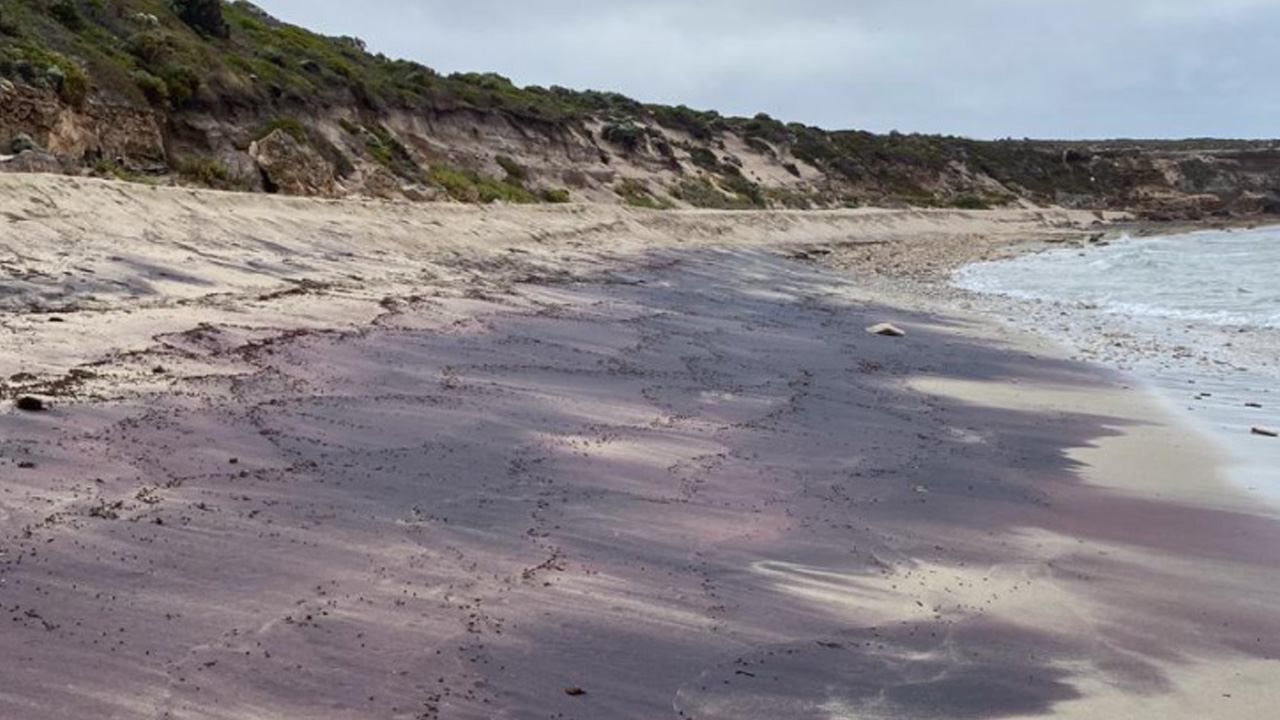
Mysterious pink sands found off the coast of South Australia opened the door to an important discovery that led scientists to the unknown mountains of Antarctica. Scientists investigating the source of the pink sands found on Petrel Cove beach have revealed that these sands come from a hidden mountain range in Antarctica. The discovery has once again revealed how complex and interconnected geological processes on Earth are.
The connection between Antarctic mountains and pink sands
When the pink sands found in Petrel Cove caught the attention of scientists, research began to study their mineral composition. They found that the sands were composed of a mineral called garnet, which usually crystallizes at high temperatures.
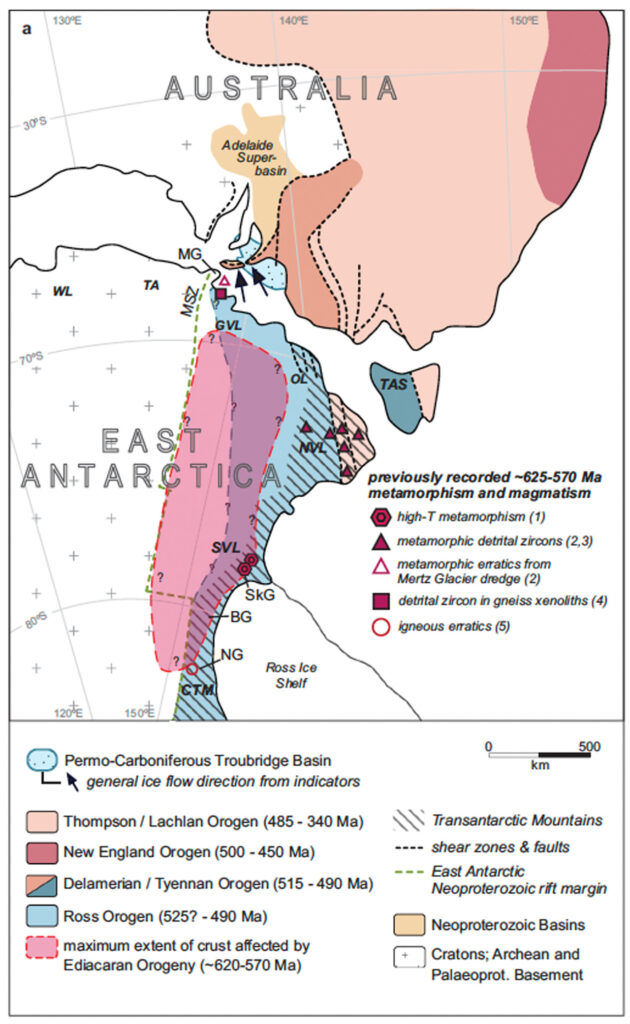
Garnet is found where large mountain ranges rise and therefore plays an important role in understanding mountain formation processes. Research into the age and origin of garnets in Australia has shown that these minerals formed around 590 million years ago and are linked to the Transantarctic Mountains in Antarctica.
Geologist Jacob Mulder from the University of Adelaide and his team investigated how these garnets reached Australia. Their research revealed that these garnets most likely came from the Transantarctic Mountains in Antarctica, hidden beneath the ice sheet of these mountains.
Mysterious creature carrying giant eggs discovered in the depths of the ocean!
This mountain range was part of the Gondwana supercontinent, but may have been carried by an ice sheet that moved northwest during the late Palaeozoic Ice Age. In the process, garnet-rich glacial sands may have been deposited off the coast of South Australia and carried by waves to Petrel Cove beach.
The discovery is considered an important step in our understanding of Antarctica’s geological history. Learning more about the hidden mountain ranges in Antarctica will contribute to the understanding of continental movements and geological processes around the world.
Your comment has been submitted,
it will be published after approval.