
Apple Develops Advanced Photo Verification System in iOS 27

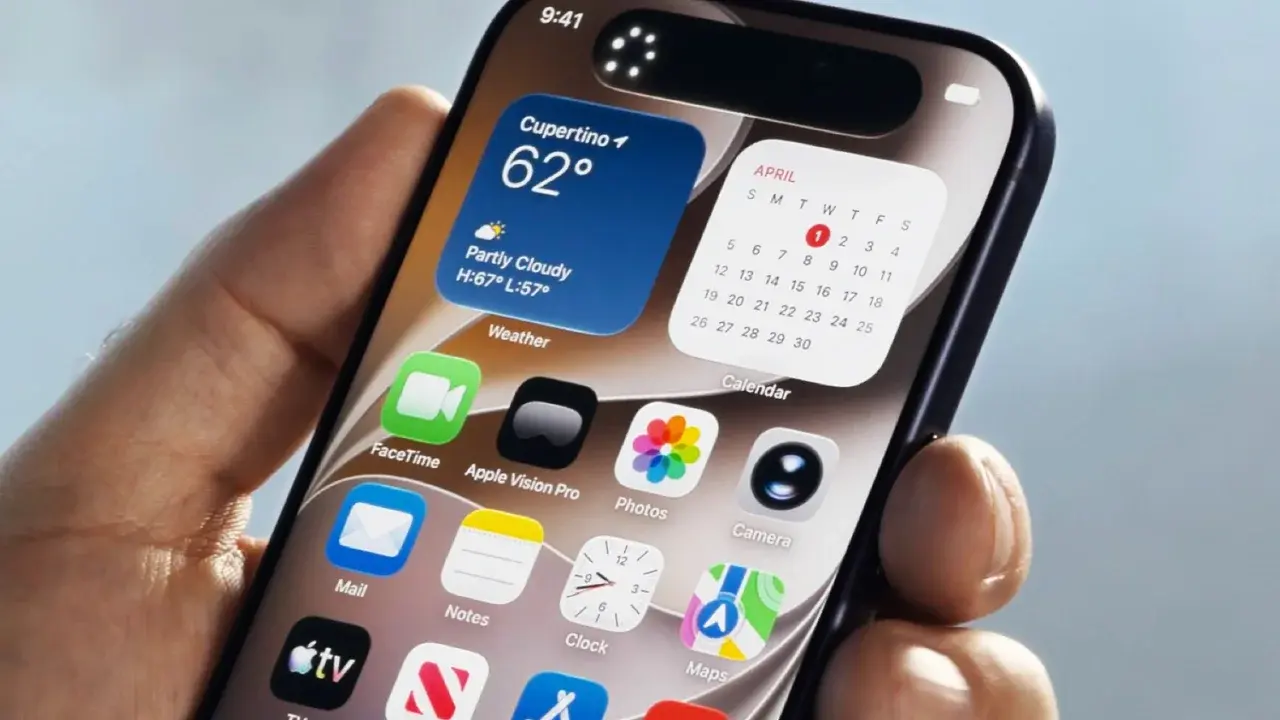
Apple is actively developing a sophisticated photo verification system designed to authenticate that images were captured using legitimate iPhone hardware. Recently identified within the beta 5 release of iOS 27, this feature, currently referred to as Apple Reference Image, aims to combat the prevalence of digitally manipulated media. By integrating a specialized Reference mode into the native Camera application, users can embed cryptographically verifiable metadata directly into their captures. This initiative represents a significant technical step toward ensuring content provenance, providing a hardware-rooted guarantee that a file was produced by an authentic iPhone sensor rather than generated by artificial intelligence.
- The Apple Reference Image feature utilizes hardware-level sensor signatures to verify the authenticity of captured media.
- Validated images are processed through Apple’s Private Cloud Compute servers to ensure security and data integrity.
- The system includes provisions for both professional photography and uncropped video footage to maintain digital chain-of-custody.
- Apple maintains the authority to revoke prior approvals if sensor data appears compromised or suspicious.
This hardware-based verification standard establishes a new benchmark for trust in an era of hyper-realistic AI imagery.
New Verification Protocols Enhance Hardware Security
When a user activates the Reference mode, the device embeds specific hardware identifiers and sensor signatures into the image metadata. Unlike standard photos, these files carry a distinct digital footprint that can be analyzed to confirm their origin.  Upon tapping the verification badge on a captured image, the system transmits the relevant raw sensor data to Apple’s Private Cloud Compute servers. This infrastructure analyzes the data to ensure it aligns with known hardware profiles, ultimately marking the photo as a verified asset on the user’s device.
Importantly, the process does not require the transmission of the entire raw photo to external servers. Instead, Apple focuses exclusively on processing the sensor metadata and evaluation results, which preserves user privacy while maintaining a rigorous security standard. This selective processing approach ensures that the verification remains efficient without compromising the integrity of the original image file.
Professional Industry Standards Are Being Adopted
The move by Apple mirrors broader industry trends toward standardized digital content authentication. Much like the C2PA protocols adopted by camera manufacturers such as Sony, Nikon, and Leica, this system seeks to provide a verifiable history for digital assets. Furthermore, Google has implemented similar verification strategies within its Pixel 10 series, highlighting a collective industry shift toward protecting content provenance.
Verified visuals will remain fully compatible across the Apple ecosystem, allowing seamless inspection on iPad, Mac, and iPhone devices.
This feature is specifically designed to support the needs of professional journalists and photographers who require absolute certainty regarding the origin of their visual media. By extending this functionality to cover uncropped video footage, Apple addresses the growing demand for transparent reporting in digital spaces. As the platform matures, the ability to confirm that a video file has not been tampered with or synthesized will become an essential component of modern media workflows.
We are eager to hear your perspective on this development; do you believe hardware-level verification is the most effective way to combat the rise of AI-generated misinformation, or do you have concerns about the implications of this centralized authentication process?
Your comment has been submitted,
it will be published after approval.