
Apple Explores Strategic Memory Partnership with Chinese Manufacturer CXMT

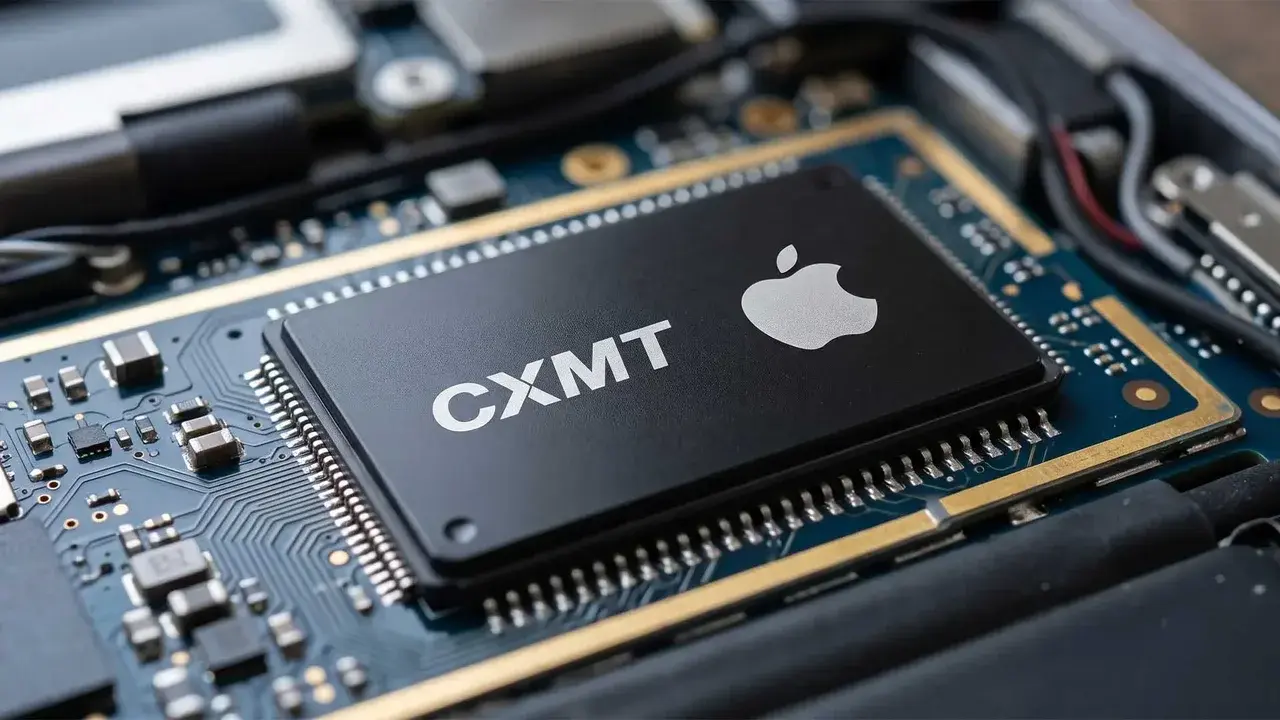
Apple is reportedly in advanced discussions to incorporate Chinese manufacturer ChangXin Memory Technologies (CXMT) into its memory supply chain, marking a significant shift in the tech giant’s procurement strategy. By engaging with this emerging Chinese supplier, Apple aims to diversify its dependence away from traditional industry leaders such as Micron, Samsung, and SK Hynix. This move serves as a strategic maneuver to mitigate risks associated with price volatility and geopolitical tensions, while simultaneously strengthening Apple’s bargaining power in ongoing supply negotiations. Industry analysts view this potential collaboration as a calculated step to secure consistent hardware access amid complex global trade environments.
- Apple is seeking to diversify its memory procurement by integrating CXMT into its established global supply chain.
- The partnership aims to counteract the market dominance of major memory producers like Micron and Samsung.
- CXMT plans to expand its production capacity significantly, targeting an output of 600,000 wafers by the end of the decade.
- The integration of advanced HKMG technology allows the manufacturer to improve power efficiency and processing speeds for its DRAM products.
Production Capacity Targets are Being Expanded Aggressively
CXMT has set ambitious growth targets to bolster its status as a leading global memory supplier. The company is currently scaling its operations, with plans to reach a monthly production capacity of 300,000 wafers across three dedicated 300mm DRAM facilities by the end of this year. Furthermore, the firm has outlined a roadmap to ramp up High Bandwidth Memory (HBM) production to 50,000 wafers monthly by 2026. 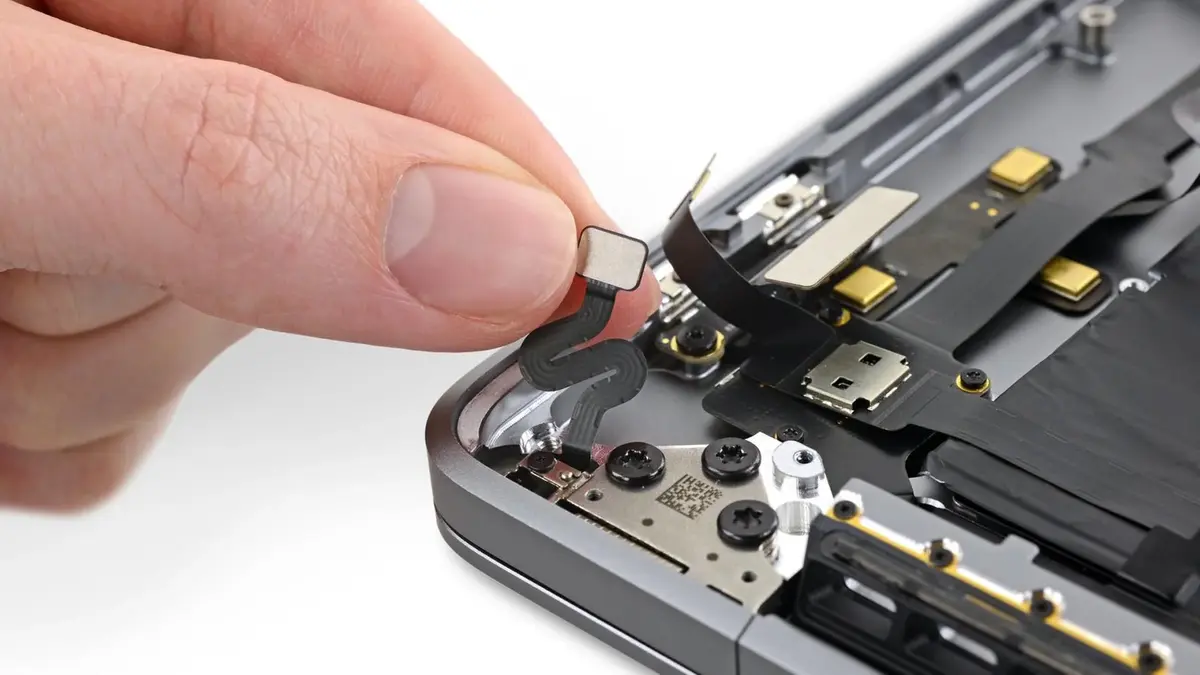
With new manufacturing plants currently under construction in Shanghai and Hefei, the company anticipates its total wafer output will reach 600,000 units. This aggressive expansion is intended to challenge the market volume of incumbent competitors like Micron by 2030. To maintain its technological edge, CXMT has already transitioned to LPDDR5X mass production and initiated LPDDR6 manufacturing, while also preparing for widespread HBM3 availability.
Technological Advancements are Improving Manufacturing Efficiency
To overcome common industry limitations regarding component miniaturization, CXMT is utilizing High-k Metal Gate (HKMG) technology. By incorporating materials such as hafnium oxide, the company successfully reduces current leakage, which significantly enhances power efficiency and overall device performance. This technical capability makes the manufacturer an attractive partner for high-demand companies like Apple that require reliable and high-speed memory components for their ecosystem.
Geopolitical Realities are Shaping Market Dynamics
The potential collaboration between Apple and CXMT is unfolding against a backdrop of strict international technology export controls. While Apple intends to fulfill a portion of its annual 600 million GB memory requirement through this new channel, supply constraints remain a concern. Projections suggest that CXMT’s production facilities will likely operate at 95 percent capacity through 2027, which may limit the volume available for major clients.
Although this relationship may not immediately disrupt the existing market dominance of Samsung or Micron, it introduces a new variable into the competitive landscape of the global memory sector. Apple remains focused on maintaining a diverse supplier base to protect itself from potential price spikes and supply chain disruptions. The long-term success of this venture will depend on how effectively Apple balances its supply chain needs with international regulatory compliance.
We invite you to share your perspective on whether this partnership marks a permanent shift in Apple’s supply chain philosophy or if it is simply a tactical move to manage short-term costs; please leave your thoughts in the comments section below.
Your comment has been submitted,
it will be published after approval.