
Apple May Delay M6 Pro and Max MacBook Pro Chips


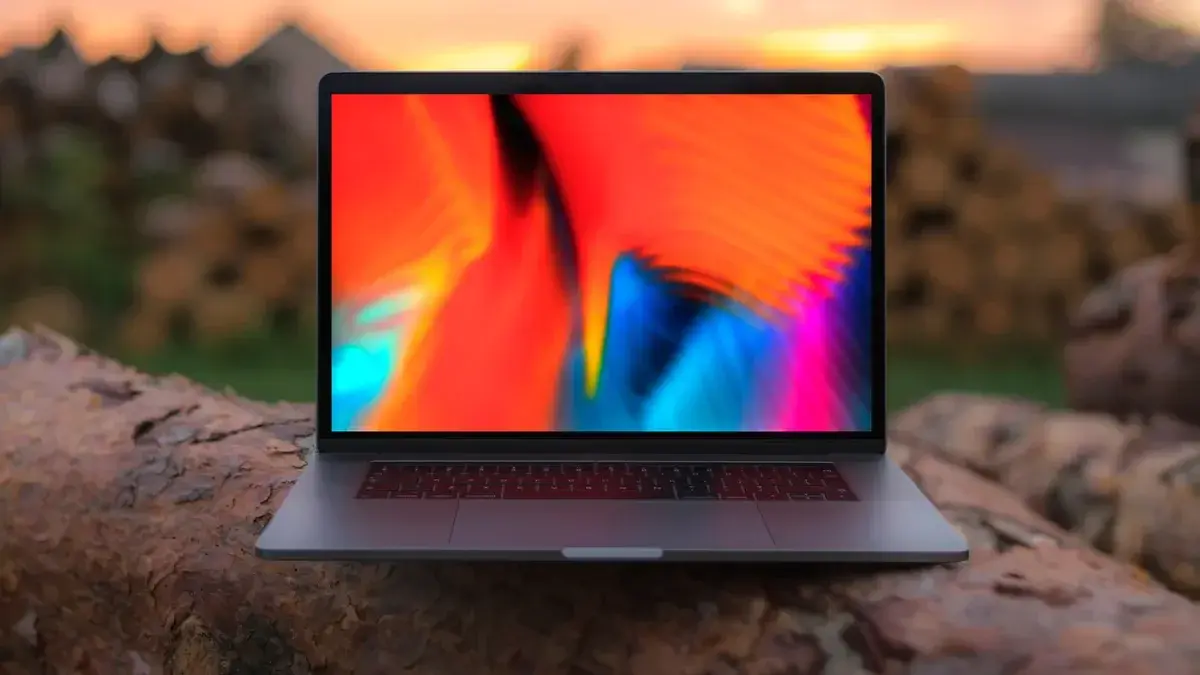
Apple is reportedly reevaluating its hardware roadmap, potentially leaving MacBook Pro enthusiasts in a state of uncertainty regarding future performance upgrades. According to insights shared by Bloomberg analyst Mark Gurman, the technology giant is considering skipping the rollout of M6 Pro and M6 Max processors for its upcoming MacBook Pro lineup scheduled for later this year. If Apple proceeds with this strategy, the M6 series will remain confined to entry-level configurations, leaving professional users without the expected high-end performance boost until at least 2027.
- Apple might postpone the launch of M6 Pro and M6 Max processors until 2027.
- Entry-level M6 MacBook Pro models are expected to launch this autumn starting at $1,999.
- A potential 18-month hardware gap poses challenges for professional users requiring frequent performance updates.
- The status of the long-rumored MacBook Ultra remains uncertain due to shifting internal priorities.
Professional Users Face an Extended Waiting Period
Given that the current M5 Pro and M5 Max chips were introduced in early 2026, a delay in the successor lineup creates a significant hardware gap of approximately 18 months. This strategic shift directly impacts creative professionals and software developers who rely on consistent annual performance leaps to maintain their workflows. The absence of a flagship upgrade cycle could force power users to reconsider their long-term investment plans in the Apple ecosystem.
The decision to delay high-end silicon effectively resets the upgrade cycle for professional workstations.
Future of the MacBook Ultra Remains Uncertain
Speculation surrounding the elusive MacBook Ultra model has also intensified following these reports. While initial rumors suggested the device would debut with an M5 Ultra chip this year, current projections indicate that the project might be pushed to the M7 generation in 2027. This move suggests that Apple is prioritizing a design overhaul, potentially incorporating OLED display technology and a thinner chassis, which requires more time for component integration and manufacturing efficiency.
Artificial Intelligence Drives Hardware Strategies
Industry analysts suggest that Apple’s decision stems from a desire to optimize device-side artificial intelligence capabilities and graphics-heavy software performance. By focusing on deep integration of proprietary AI tools, the company aims to ensure that future professional hardware provides a distinct competitive advantage over existing market solutions. While the high-end chips face delays, the entry-level M6 MacBook Pro is still expected to arrive this autumn, though it will carry a higher price tag of $1,999 following recent company-wide price adjustments.
Apple is shifting its focus toward prioritizing on-device artificial intelligence processing power.
How do these potential delays in the high-end M6 processor release impact your current hardware upgrade strategy? Share your thoughts on Apple’s shift toward an AI-focused product cycle in the comments section below.
Your comment has been submitted,
it will be published after approval.