
Apple Prepares New MacBook Pro With M7 Chip for 2027


Apple is planning a significant overhaul for its entry-level MacBook Pro lineup, with reports indicating that a new model featuring the M7 processor will debut in the spring of 2027. According to industry insights shared by Bloomberg’s Mark Gurman, this upcoming device, internally codenamed K104, represents a strategic shift in how the tech giant rolls out major design updates. By accelerating the transition of its premium design language to the base-level MacBook Pro, Apple aims to bridge the gap between its standard laptops and high-end professional hardware much faster than in previous product cycles.
- Apple plans to release an entry-level MacBook Pro equipped with an M7 chip in the spring of 2027.
- The company is accelerating its hardware strategy to bring premium design features to base models more quickly.
- Future MacBook Pro iterations are expected to incorporate advanced display technologies and thinner chassis designs.
- Apple decided to prioritize the M7 architecture over interim M6 high-end chip iterations.
Design Strategies are Being Accelerated by Apple
Historically, Apple maintained a rigid hierarchy regarding hardware updates. New aesthetic changes, such as the aluminum unibody redesigns or the introduction of the Touch Bar, typically appeared on top-tier professional models years before trickling down to the base models. For instance, the 2021 14-inch MacBook Pro introduced a major design language, yet the entry-level 13-inch model remained stagnant for an extended period. This new strategy marks a departure from that timeline, as Apple aims to reduce the gap between high-end and entry-level releases to approximately six months.

The upcoming 14-inch laptop will likely mirror the aesthetic profile of the company’s higher-end machines. Consumers can expect a sleeker, thinner chassis and the integration of modern features such as Dynamic Island and potentially touch-supported OLED displays. These updates are intended to provide base-level users with a more premium experience, making the latest design innovations accessible at a more competitive price point.
Hardware Roadmaps are Focusing on the M7 Architecture
The roadmap for the coming years reveals a complex transition period for Apple’s silicon team. Before the M7-powered model arrives, the company is expected to release a base-level MacBook Pro with an M6 chip in the fall of 2026. Simultaneously, high-end variants featuring M5 Pro and M5 Max chips will launch with the latest design updates. Interestingly, Apple has opted to bypass an M6 high-end variant in favor of moving directly to the M7 architecture for its professional lineup.
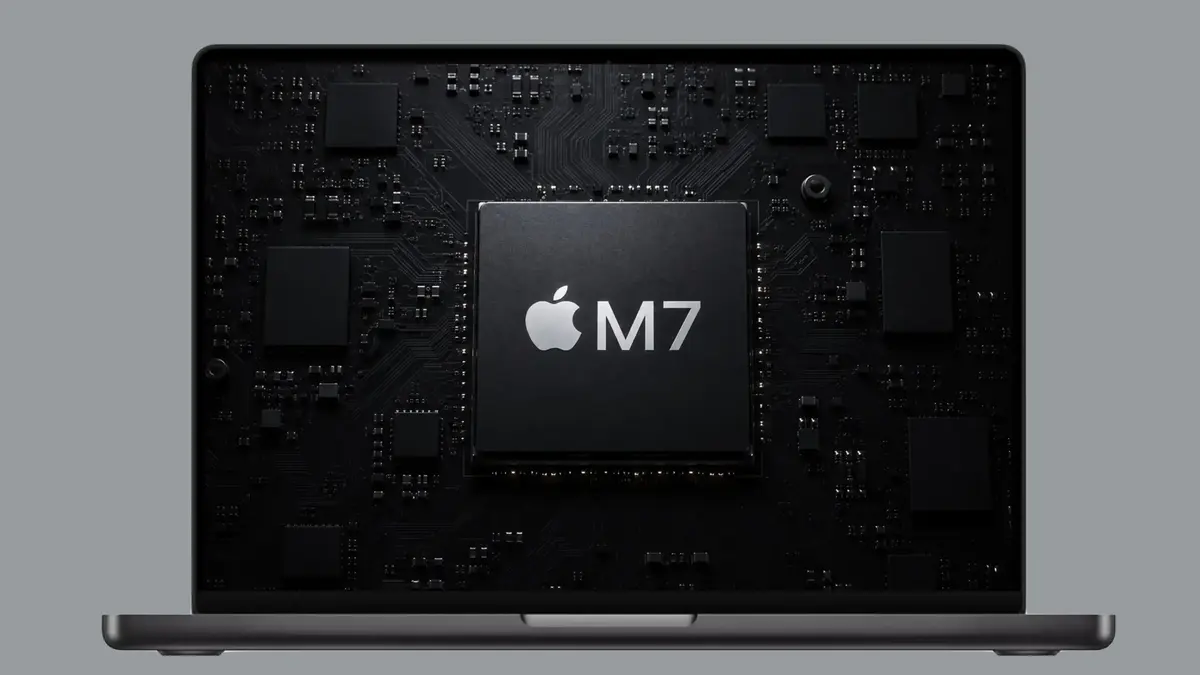
This shift to the M7 chip by the spring of 2027 will mark a major milestone in Apple’s processing power capabilities. By the fall of the same year, the company plans to refresh the professional-grade MacBook Pro lineup with the M7 Pro and M7 Max variants. This accelerated development cycle underscores Apple’s commitment to maintaining leadership in performance benchmarks while managing rising component costs that have pressured consumers in recent fiscal quarters.
As global memory shortages continue to influence the pricing of modern electronics, these upcoming models serve as a critical test for Apple’s market positioning. Whether these design and performance improvements will successfully offset the current price trends remains a subject of intense debate among industry analysts and enthusiasts alike.
We would love to hear your thoughts on these upcoming changes; do you believe that Apple’s strategy to bring premium features to entry-level models is the right move for the average user, or should they maintain a clearer distinction between product tiers? Share your opinions in the comments section below.
Your comment has been submitted,
it will be published after approval.