
Apple Prepares to Launch Its First Touchscreen MacBook Pro


Apple is finally set to end a decade of speculation by introducing a touchscreen MacBook Pro later this year. According to industry reports, the company will unveil this highly anticipated model in October, marking a significant shift in its laptop design strategy. The upcoming device will integrate advanced touchscreen capabilities directly into the macOS ecosystem, supported by new software refinements seen in recent developmental builds. By combining high-performance hardware with an interactive display interface, Apple aims to bridge the gap between its tablet and laptop divisions, catering to users who have long requested a more tactile computing experience on their Mac hardware.
- Apple plans to release its first MacBook Pro with a touchscreen display in October.
- The device will utilize Tandem OLED technology to improve color accuracy and contrast levels.
- New software optimizations will automatically adjust interface elements to facilitate touch-based navigation.
- Initial pricing for the new models is expected to start at $2,499 for the 14-inch version.
Tandem OLED Technology Enhances Display Quality
Moving away from its previous skepticism regarding touch interfaces on laptops, Apple has chosen to equip the new MacBook Pro with Tandem OLED technology. Already featured in the latest iPad Pro lineup, this display architecture uses stacked OLED panels to deliver superior brightness, deeper blacks, and more vibrant color reproduction. This hardware transition represents a major investment in the visual fidelity of the MacBook series.
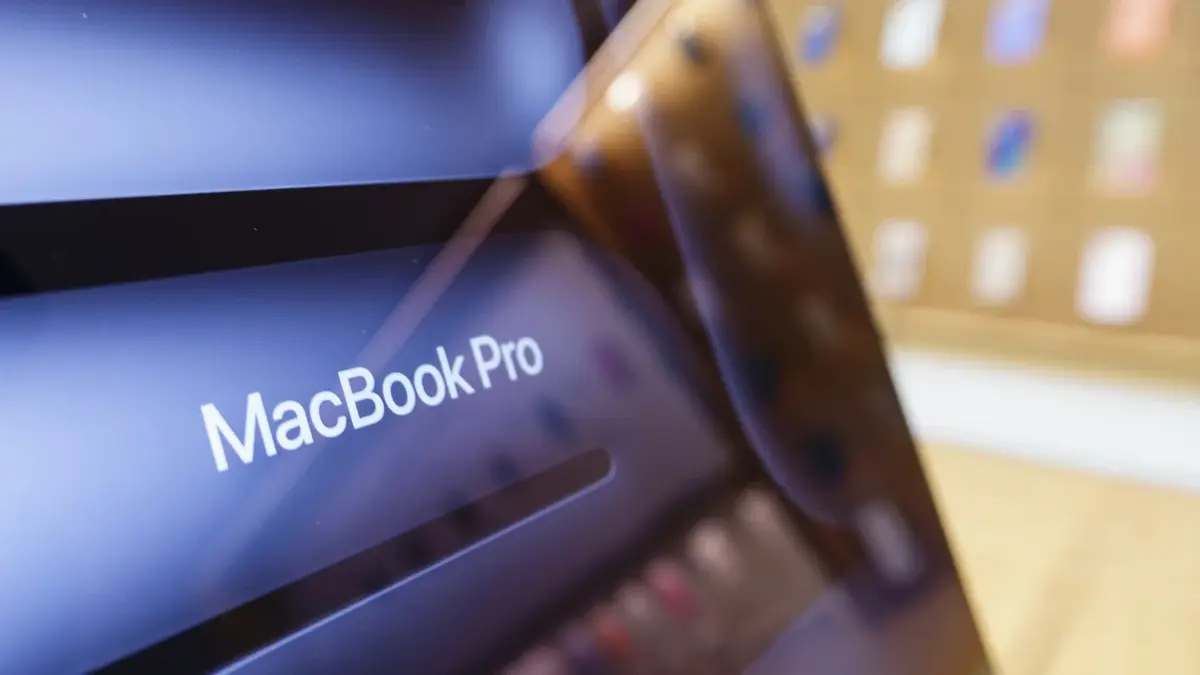
The integration of this advanced display technology signals a permanent shift in Apple’s premium laptop hardware standards.
While the display will be new, the top bezel will feature a Dynamic Island similar to the iPhone, albeit slightly smaller in size. Notably, the current design specifications indicate that Face ID will not be included in this specific iteration. The chassis is also undergoing a refinement process, resulting in a thinner and lighter form factor compared to existing models. Apple is currently balancing these design changes with the thermal requirements of the internal components to ensure consistent performance.
Hardware Upgrades Influence Future Performance
Under the hood, Apple has opted to bypass the M6 Pro and M6 Max processors in favor of the M5 Pro and M5 Max chips. This strategic decision is designed to accelerate the timeline for the eventual transition to the M7 architecture. By utilizing these chips, the company aims to optimize efficiency while preparing for future 2nm manufacturing processes.
Software developers are simultaneously working on specific optimizations to ensure the touch experience remains intuitive. The macOS interface will feature a dynamic menu structure that adapts to finger gestures, automatically enlarging UI elements when the user interacts with the screen directly. This system will also predict common control sets based on individual usage patterns to streamline workflows.
Production Costs Affect Retail Pricing
Recent supply chain challenges, particularly regarding memory component costs, are expected to impact the final retail price of these devices. Analysts suggest that the 14-inch model will debut at $2,499, while the 16-inch variant will likely start at $2,999. Furthermore, rumors persist that a more affordable entry-level MacBook Pro equipped with M7 silicon may arrive as early as next spring.
The inclusion of touch support will fundamentally alter the traditional laptop interaction model for power users.
We are curious to hear your thoughts on this major hardware evolution. Do you believe that adding a touchscreen to the MacBook Pro will improve your daily workflow, or do you prefer the traditional trackpad and keyboard setup? Share your perspective in the comments section below.
Your comment has been submitted,
it will be published after approval.