
Apple Prepares to Launch M6 MacBook Pro This Autumn

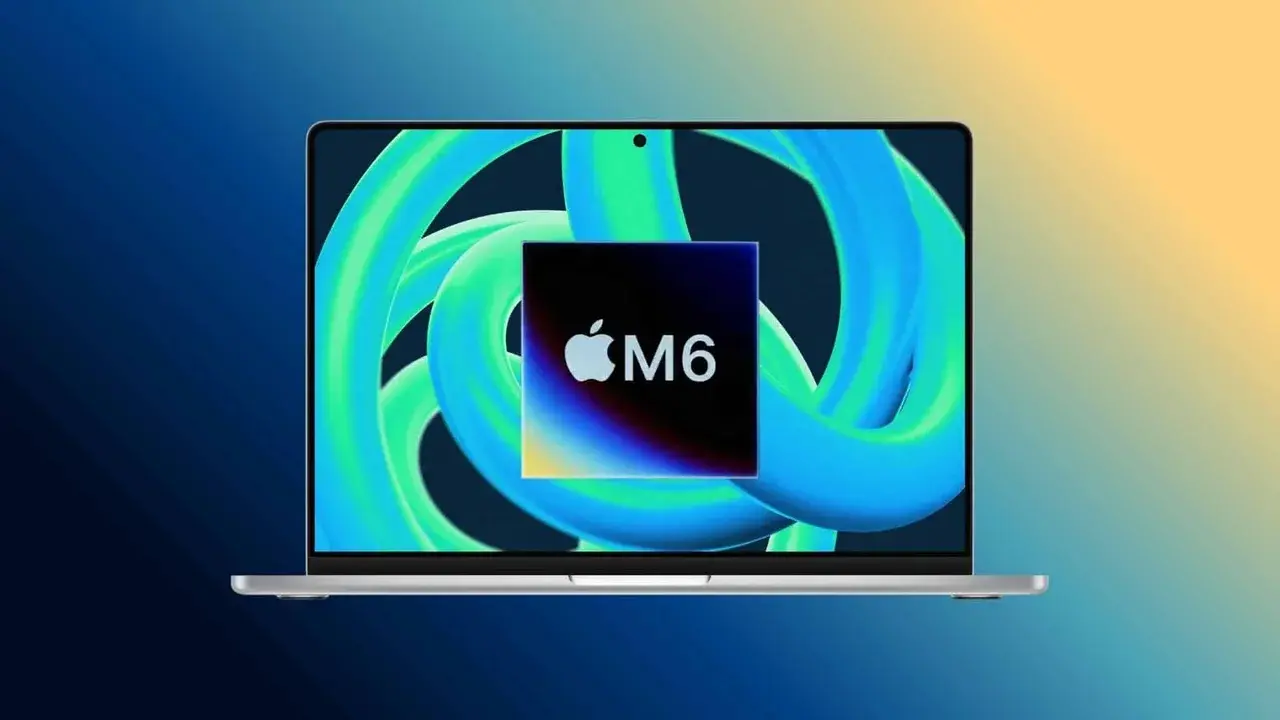
Apple is gearing up for a significant product cycle this autumn, as reports confirm the upcoming release of a new 14-inch MacBook Pro powered by the advanced M6 chip. Identified by the codename J804, this entry-level device will maintain the established design language of its predecessors while introducing substantial internal hardware upgrades. Unlike the high-end variants expected to feature radical OLED displays and potential touchscreen integration, the M6 MacBook Pro will retain the classic miniLED screen and existing port configuration. With a starting price point of $1,999, Apple aims to deliver a performance-focused machine that prioritizes internal efficiency over a complete visual overhaul.
- The upcoming 14-inch MacBook Pro features the new M6 silicon built on TSMC’s 2nm N2 manufacturing process.
- Hardware improvements include an increased memory bandwidth of 200 GB/s and an upgraded 12-core Neural Engine.
- Apple continues to differentiate its product tiers by reserving major design changes and OLED technology for the high-end K114 and K116 models.
M6 Chip Delivers Significant Hardware Enhancements
Performance remains the primary focus for the new J804 model. Internal testing conducted in mid-2026 indicates that the standard M6 chip boasts 12 GPU cores, representing a noticeable upgrade over the M5 architecture. This shift, combined with a higher memory bandwidth of 200 GB/s compared to the previous 153 GB/s, provides a robust foundation for demanding professional workloads.
Furthermore, the integration of an enhanced 12-core Neural Engine suggests that Apple is prioritizing machine learning capabilities. These improvements are specifically designed to optimize Apple Intelligence features and improve the responsiveness of Siri-based tasks. 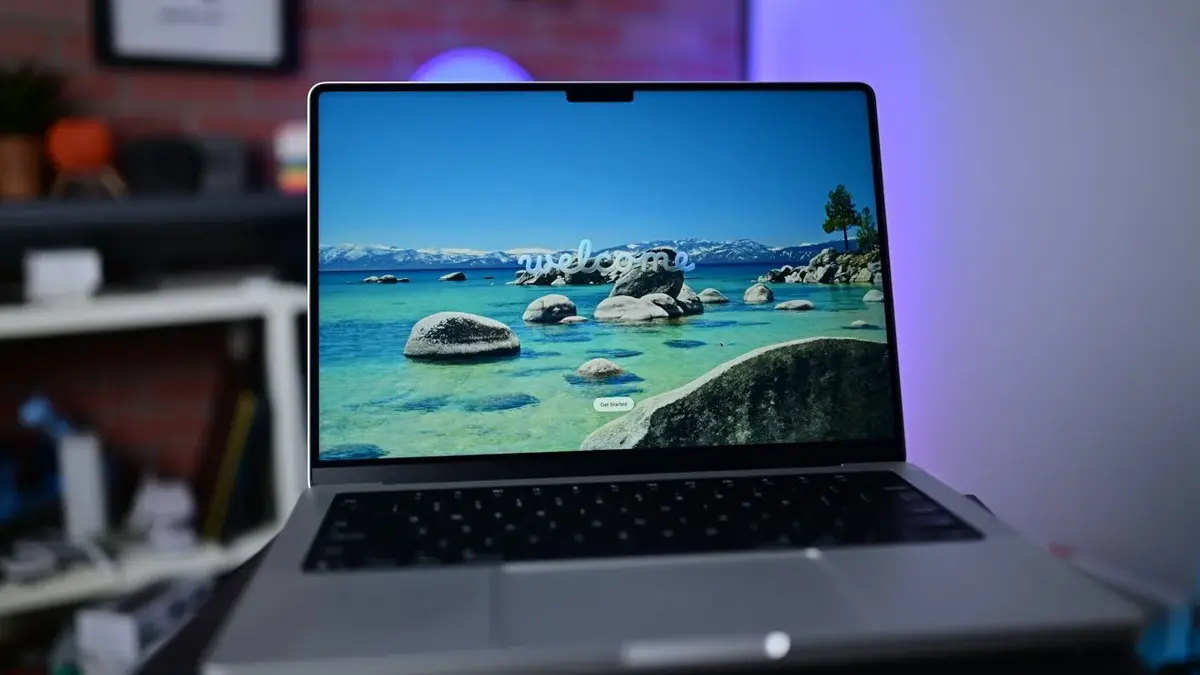
The transition to TSMC’s 2nm N2 process enables faster clock speeds and superior energy efficiency while reducing thermal output.
Design Consistency Defines the Entry-Level Segment
Consumers expecting a major aesthetic transformation for the base 14-inch model may find the latest news disappointing. Apple has decided to retain the chassis design introduced in 2021 for this specific model, effectively maintaining the current physical form factor. While high-end alternatives like the K114 and K116 are expected to debut a new structure, the J804 remains tethered to the proven, legacy design platform.
Current data extracted from macOS Tahoe pre-release builds show no evidence of a design refresh for this entry-level professional laptop. This strategic decision highlights Apple’s intent to segment its market by hardware capability rather than just physical design. It appears that the company intends to save its most experimental features for the premium tier of the MacBook Pro lineup.
Market analysts suggest that this specific M6 iteration may have a shorter lifespan before a more comprehensive redesign arrives with the M7 generation.
Future Market Strategy Remains Focused on Differentiation
By keeping the entry-level 14-inch MacBook Pro within the existing design ecosystem, Apple is effectively providing a bridge for users who need raw processing power without the premium cost of cutting-edge display technology. This approach ensures that the professional lineup remains accessible while reserving the most innovative, high-risk features for the flagship models that will eventually feature OLED panels and potential touch interfaces.
Given the choice between immediate performance gains with the M6 chip and the prospect of a major design refresh in the future, which direction would you prefer for your next workstation? Share your thoughts in the comments section below.
Your comment has been submitted,
it will be published after approval.