
Apple Releases Urgent Update to Patch 29 Security Vulnerabilities

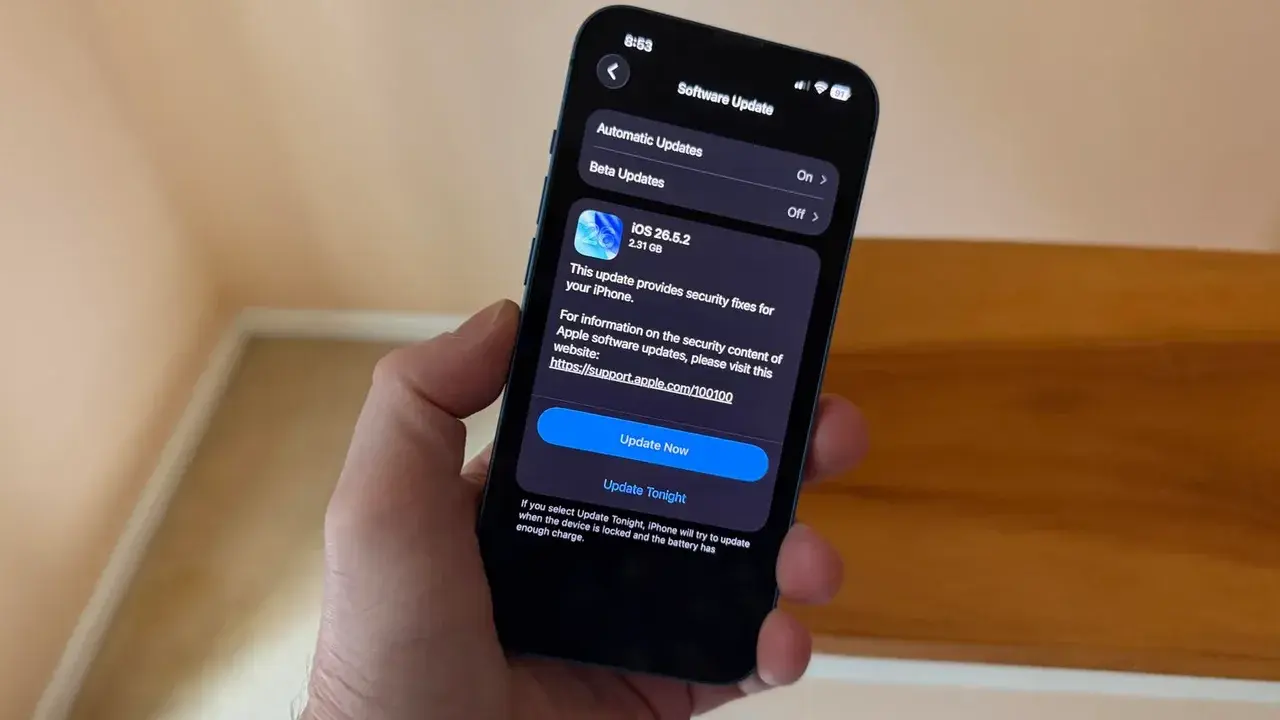
Apple has officially issued an urgent software update to address 29 critical security vulnerabilities discovered across its iOS, iPadOS, and macOS platforms. The tech giant released version 26.5.2 earlier than originally scheduled to mitigate potential risks that could compromise user devices globally. To ensure device integrity, users are encouraged to navigate to the General section within their Settings menu and initiate the Software Update process immediately. This proactive measure arrives as a necessary defense against sophisticated exploits that continue to challenge modern software ecosystems.
- Apple released version 26.5.2 to resolve 29 distinct security vulnerabilities across its primary operating systems.
- The company accelerated the deployment of these patches due to emerging threats linked to artificial intelligence development.
- Vulnerabilities identified within the WebKit engine and system kernel pose significant risks to user data privacy.
Artificial Intelligence Accelerates Security Patch Timelines
The decision to expedite these patches represents a departure from Apple’s traditional release schedule. Originally, these updates were slated for inclusion in the upcoming 26.6 beta versions of iOS, iPadOS, and macOS, with a projected public release in mid-July. However, the rapidly evolving landscape of cybersecurity, heavily influenced by the integration of artificial intelligence in malicious tool development, necessitated a change in strategy.

The speed at which cybercriminals utilize AI to generate exploits has fundamentally transformed the digital threat environment.
Because bad actors are now able to leverage automated systems to identify and target weaknesses more efficiently, Apple has significantly shortened the interval between the discovery of vulnerabilities and the release of protective patches. This shift ensures that potential entry points are sealed before they can be weaponized against the user base.
WebKit Vulnerabilities Require Immediate User Attention
Among the most pressing issues addressed in this update are flaws found within the WebKit browser engine and the core operating system architecture. While there is no current evidence that these specific vulnerabilities have been exploited in active attacks, their public disclosure creates a window of opportunity for malicious entities to target unpatched hardware.
Exploits targeting the WebKit engine can potentially allow unauthorized parties to install harmful software or gain access to sensitive user information. Consequently, even without active reports of compromise, the presence of these gaps necessitates universal compliance with the latest update protocols.
Delayed software updates leave devices exposed to preventable security breaches that can result in significant data loss.
Cybersecurity Strategies are Being Redefined by Industry Leaders
Historically, major technology firms like Apple and Microsoft followed rigid, predictable update cycles. The weaponization of artificial intelligence, however, has rendered this conventional approach insufficient. Companies no longer possess the luxury of waiting for the next major release cycle to deploy critical fixes.
This strategic transition demonstrates a broader trend within the cybersecurity industry, where proactivity is replacing reaction. By prioritizing the rapid delivery of security patches, Apple aims to maintain a robust defense against increasingly automated and sophisticated cyber threats. This development highlights the ongoing struggle to protect consumer data in an era where software vulnerabilities are discovered and exploited at unprecedented speeds.
We are interested to hear your perspective on how the integration of artificial intelligence is changing the way companies handle software security; please share your thoughts in the comments section below.
Your comment has been submitted,
it will be published after approval.