
Apple Seeks Chinese CXMT Partnership as DRAM Supply Constraints Persist

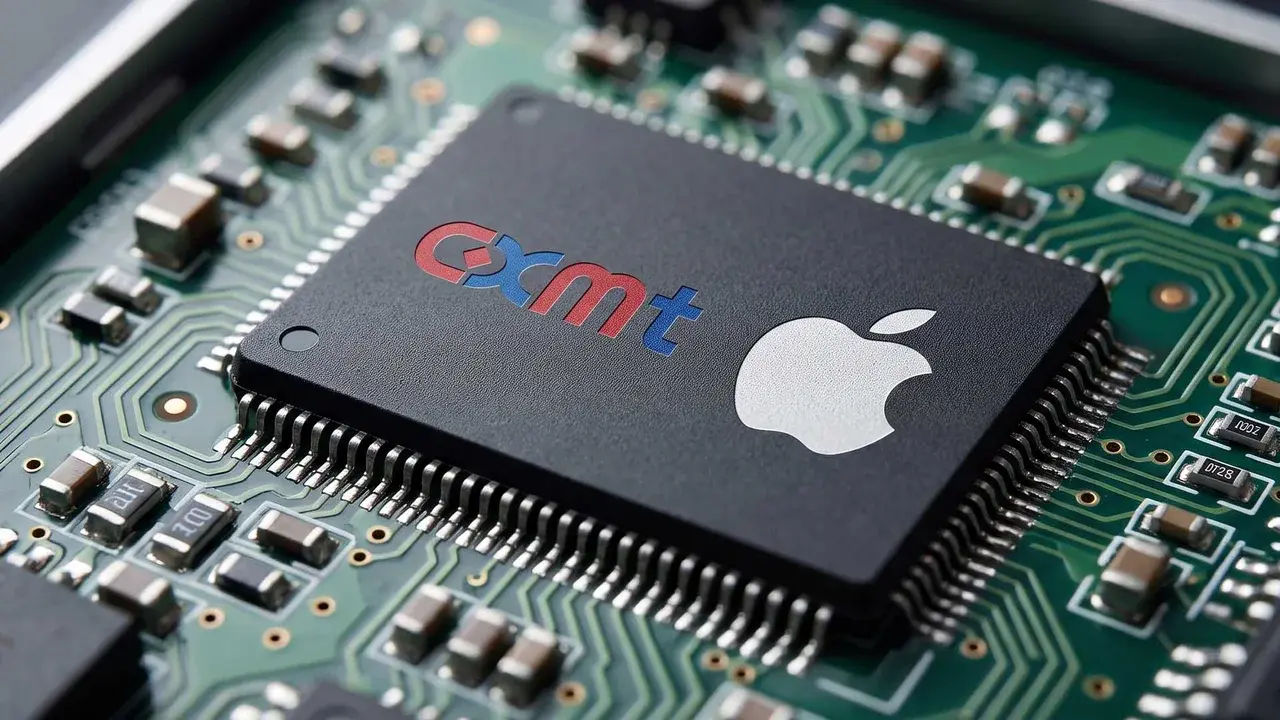
Apple is actively navigating a complex global semiconductor landscape, as surging demand for artificial intelligence chips continues to strain the market’s memory supply. To mitigate potential production bottlenecks for the upcoming iPhone 18, the technology giant is reportedly exploring a strategic collaboration with Chinese manufacturer CXMT. Analyst Ming-Chi Kuo warns that this move is unlikely to lower costs or resolve broader market shortages, as the primary objective is to safeguard against a looming DRAM deficit. With major suppliers like Samsung and SK hynix prioritizing AI-centric clients, Apple’s initiative reflects a broader effort to diversify its supply chain in a volatile environment.
- Apple is lobbying the White House to remove CXMT from the Entity List to secure its DRAM supply chain.
- The cost of 12GB LPDDR5X RAM units has surged by approximately 272 percent in recent years.
- Ming-Chi Kuo projects that A20 and A20 Pro chip volumes will decline by 10 to 20 percent between late 2026 and early 2027.
- The gap between global memory supply and market demand is expected to widen significantly through 2027.
DRAM Costs and Supply Shortages Threaten Production
The semiconductor industry is currently grappling with a severe supply-demand imbalance that shows no immediate signs of recovery. DRAM costs have experienced an astronomical rise, with specific components like the 12GB LPDDR5X RAM jumping from $39 to $145. This financial pressure, combined with limited physical availability, is forcing companies to re-evaluate their reliance on traditional, established suppliers.
The widening memory supply gap threatens to limit the production volume of Apple’s next-generation hardware.
Market analysts indicate that this scarcity is not a localized issue but a systemic challenge that will persist through 2027. As AI models consume vast amounts of memory, consumer electronics manufacturers are finding it increasingly difficult to secure the necessary components at sustainable price points. This reality has forced Apple to look toward alternative partners, including Chinese firms that were previously excluded from its primary procurement strategies due to geopolitical considerations.
Strategic Shifts Define Future Production Goals
To navigate these turbulent waters, Apple is accelerating its transition to advanced manufacturing processes. The company intends to shift from the 2nm production node to 1.4nm technology as quickly as possible to maximize output efficiency and maintain its competitive edge. This technical evolution is seen as a vital component of its long-term strategy to decouple its hardware success from the current memory bottlenecks.
Apple is prioritizing the diversification of its supply chain to mitigate the risks posed by ongoing geopolitical tensions.
Furthermore, the leadership transition within Apple remains a critical factor in these negotiations. Industry experts note that CEO Tim Cook’s deep experience in managing US-China relations is currently being leveraged to secure these essential supply agreements. The completion of these deals before John Ternus takes on a larger role is viewed as a strategic necessity for the company’s hardware roadmap. By engaging with CXMT, Apple is positioning itself to withstand the anticipated industry-wide shortfall that threatens to disrupt the production of the A20 and A20 Pro processors.
As the gap between memory supply and demand continues to grow, we are curious to hear your perspective on Apple’s latest supply chain maneuvers. Do you believe partnering with Chinese manufacturers is the right move to secure future iPhone production, or does it carry too much geopolitical risk? Share your thoughts in the comments section below.
Your comment has been submitted,
it will be published after approval.