
Apple Sets October Launch Date for New OLED iPad Mini


Apple is preparing to captivate the technology world once again during its busy autumn season with the anticipated release of the OLED iPad mini. According to reports from Mark Gurman in his latest Power On newsletter, the tech giant plans to bring this updated tablet to market by the end of October. This specific timeline suggests that while Apple is hosting a “Surprise and Shine” event in the coming weeks, the new iPad mini might not be the primary focus of that particular showcase. Instead, a separate launch window later in the month appears more likely for this compact powerhouse.
- Apple expects to release the new iPad mini with an OLED display by the end of October.
- The upcoming device will likely incorporate either the A19 Pro or A20 Pro processing chips.
- New design features include enhanced water resistance and a vibration-based speaker system.
- Market analysts are closely watching whether the retail price will exceed the current five hundred ninety-nine dollar threshold.
OLED Display Technology Transforms the Compact Tablet Experience
The transition to OLED panels represents the most significant display upgrade for the iPad mini series in several years. By moving away from traditional LCD technology, Apple aims to provide users with deeper blacks, more vibrant colors, and improved energy efficiency. This shift is expected to solve several long-standing complaints regarding screen performance in smaller tablets, making the device a more attractive option for media consumption and professional creative work. Industry insiders suggest that the high-contrast ratio of OLED will make the mini a premier choice for those who want portability without sacrificing visual quality.
Next-Generation Processors Will Power Advanced Artificial Intelligence Features
Under the hood, the new iPad mini is expected to be a performance leader in its category. Rumors indicate that Apple will bypass older silicon in favor of the A19 Pro or even the A20 Pro chip. This massive leap in processing power is not just about speed; it is designed to support the expanding ecosystem of Apple Intelligence. With more robust neural engines, the tablet will be capable of handling complex on-device AI tasks that were previously reserved for the Pro-tier iPads and the latest iPhone models. 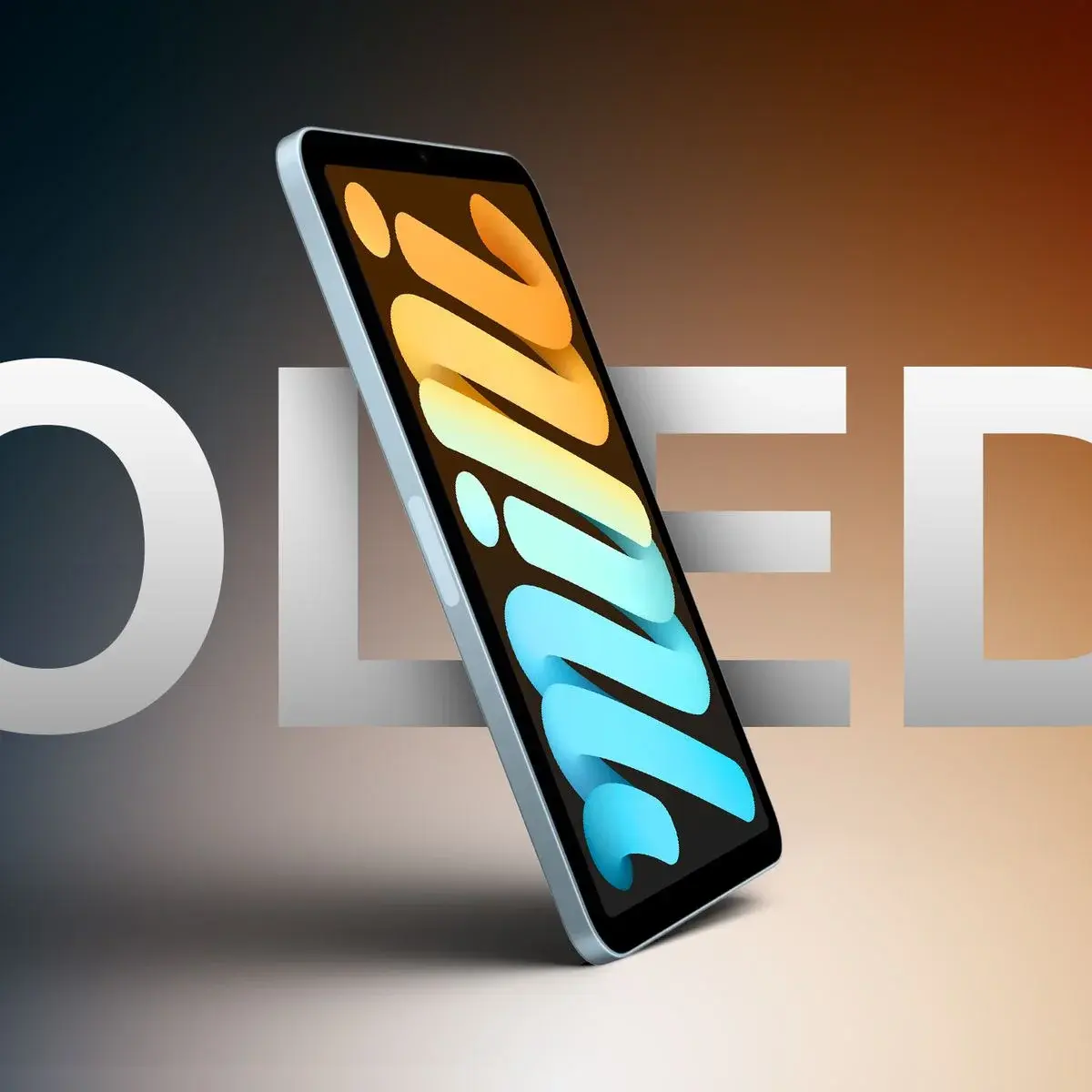 This ensures that the smallest tablet in the lineup remains future-proof for several years of software updates.
Structural Refinements Enhance Water Resistance and Audio Delivery
Beyond internal specifications, Apple is reportedly focusing on the physical durability and sensory experience of the device. The chassis is expected to undergo a subtle redesign that focuses on tighter seals to improve water and dust resistance ratings. Furthermore, the audio system is set for a major overhaul. Instead of traditional drivers, Apple may integrate a new vibration-based speaker system. This technology uses the internal structure of the device to project sound, which could result in a fuller audio profile while maintaining a slim and lightweight profile. These changes indicate that Apple views the mini not just as a budget option, but as a premium portable tool.
Market Dynamics Influence the Future Pricing of the iPad Mini
The history of the iPad mini has seen several pricing shifts that have sparked discussion among tech enthusiasts. Most recently, the starting price of the series climbed from 499 dollars to 599 dollars. Currently, the October 2024 refresh—which featured the A17 Pro chip and Apple Pencil Pro support—is available on platforms like Amazon for approximately 569 dollars. With the introduction of OLED technology and high-end A-series chips, there is growing speculation regarding whether Apple will maintain the current price or implement another increase. Analysts are debating if the added value of the OLED screen justifies a higher entry point for consumers.
The Potential for Foldable Competition Remains a Topic of Debate
One of the most interesting challenges for the iPad mini comes from within Apple’s own rumored product pipeline. The potential introduction of a foldable iPhone Ultra could bridge the gap between a smartphone and a small tablet, potentially cannibalizing the mini’s market share. However, many industry experts believe that the distinct use cases for each device will keep the iPad mini relevant. Users who prefer a dedicated tablet for reading, gaming, and note-taking often value the stability and specific form factor that a foldable phone cannot yet perfectly replicate. As a result, the iPad mini is expected to maintain its loyal user base despite the evolving landscape of mobile hardware.
What do you think about the shift to OLED for the iPad mini, and would a foldable iPhone make you reconsider buying a small tablet? Share your thoughts in the comments below!
Your comment has been submitted,
it will be published after approval.